The Workers Rights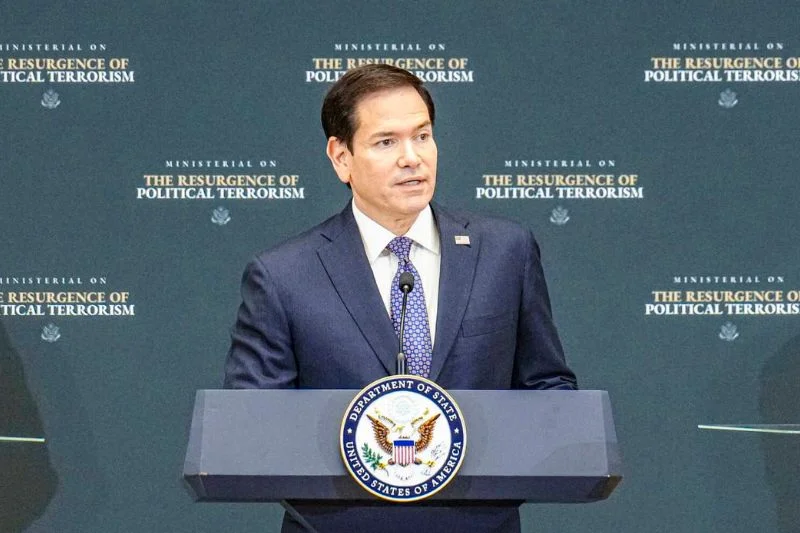
The United States has officially placed restrictions on its visas for South Africans, and they are targeting those who are involved in South Africa’s land and employment policies. The US State Department says the restrictions are “applied to persons who enable uncompensated land seizures, race-based discrimination and/or the incitement of imminent violence against minority groups.” Here’s what these changes mean for South African workers, professionals and job-seekers with US plans.
Quick Facts
| Detail | Info |
| Announced by | US State Department |
| Date | September 16, 2026 |
| Who’s affected | Africans connected with land seizures and/or racial policy implementation |
| Who’s NOT targeted | As a general rule, skilled workers (so far) and general workers. |
| Named individuals? | No names were announced on the list below at the original time. |
| Related policy | The Afrikaner refugee programme is still in operation. |
| US policy anchor | The increased anti-immigration efforts by the Trump administration. |
Why Is the US Imposing These Visa Restrictions?
The new US visa restrictions in 2026 come amid Washington’s growing impatience with South Africa’s post-apartheid racial justice measures, notably those related to land reform and employment equity policies that the US administration has said are unfair to the Afrikaner minority, according to US Secretary of State Marco Rubio.
There has been more than a year of buildup to the diplomatic impasse. The US withheld aid to SA, withdrew its Ambassador, and boycotted a G20 summit in Johannesburg. The latest in a series of US visa measures for South Africa is one of the most contentious bilateral relations in recent times.
Who Exactly Is Affected?
This is the one question that every worker in South Africa has to ask — and the answer is important.
The visa restrictions announced so far are targeted restrictions and not a blanket ban on visas. They are interested in people who:
- Facilitate and/or support non-agricultural land confiscations
- Enforce or advocate race-based employment discrimination
- Encourage acts of violence against minority ethnic or racial groups
No names were mentioned on the day of the announcement. This implies that the restrictions are more of a warning at the policy level than a mass enforcement action.
For workers with no direct connection to these policies, who are, for example, professionals, engineers, nurses, IT workers or skilled migrants, keep an eye on the situation, but don’t expect to be the primary targets.
Comparison: Who Is and Isn’t Affected
| Profile | Do the new restrictions affect you? |
| Government officials who enforce the laws of land seizure. | Likely yes |
| A company’s HR department imposing racial employment quotas | Possibly, under scrutiny |
| Skilled tech/medical/finance workers | Not targeted currently |
| Students with F-1 visas who are studying in South Africa. | Not targeted currently |
| Afrikaner minority escaped to the US. | Actively welcomed (separate programme) |
| Unregistered South African citizens | The border area was one of the regions targeted for immigration crackdowns. |
What South African Workers Should Do Right Now
While you may not be one of the immediate beneficiaries of a change in US work visas, there are ripple effects on the rest of the visa application process, consular discretion, and employer sponsorship willingness. Here are some steps to take:
- Outline employment history concisely, particularly those in areas related to government policies (agriculture, land administration, HR compliance).
- Don’t submit any new applications for visas without consulting with a US immigration attorney first.
- Monitor your visa status; this is especially important for H-1B, L-1, O-1 and EB category visas, which are the most popular visa categories for South African professionals. None are formally suspended, but there’s a processing climate.
- Keep an eye out for named-individual lists; the State Department could issue names, which may impact travel.
- Keep an eye on bilateral talks: South Africa is seeking a new trade deal with the US, which could alleviate the general policy climate.
The Bigger Picture: US Immigration Restrictions in 2026
This type of restriction on the visas of South Africans is not an anomaly. It is part of the wider fight against immigration being done by President Trump, which has made it hard for individuals from many countries to get work visas. However, the government has devised a fast track residency scheme for white Afrikaners in South Africa, which has generated much international criticism.
This has been done as a means of pressuring the South African government about their policies that are detrimental to the minority population, according to the US State Department. It still remains to be seen whether these South Africans working in the US will gain from the Employment visa USA restrictions that have been imposed on other citizens.
FAQs: US Visa Curbs for South Africans
Can South Africans still apply for US work visas?
Yes. The visa ban on South Africans is not an all-round ban on visas, but a targeted visa ban.
Will my H-1B or skilled worker visa be impacted?
Not directly, but the processing – maybe more complicated. It is recommended that a legal perspective be sought for those who are in the process of applying.
What will be the impact of the changes in the United States on South African employees already in the United States?
Those already on a valid visa are not immediately impacted by the change. Considering the current state of bilateral relations, renewals and extensions should be examined more carefully.
What caused these restrictions?
The US government made reference to the South African laws on land reform and employment equity as being discriminatory, and as a result of that, the US visa restrictions are applied to these South African nationals.
Is there no list of South Africans banned from the USA?
Not yet. At the time of the announcement, no names of persons were mentioned.
Global Worker Rights Issues You Should Know
Who Pays Rising H-1B Extension Costs?
Check out what workers can do if employers refuse payment.
How Do Malaysian Workers Navigate Singapore?
Find the key housing, economic and retirement challenges.
Could UK Bosses Really Face Jail?
Uncover what the illegal hiring crackdown means for workers.
Why Are Ceuta Migrants Returning?
Browse the food, safety and migration pressures driving returns.
Can Europe Solve Its Labour Shortage?
See why migration controls clash with growing worker demand.