The Workers Rights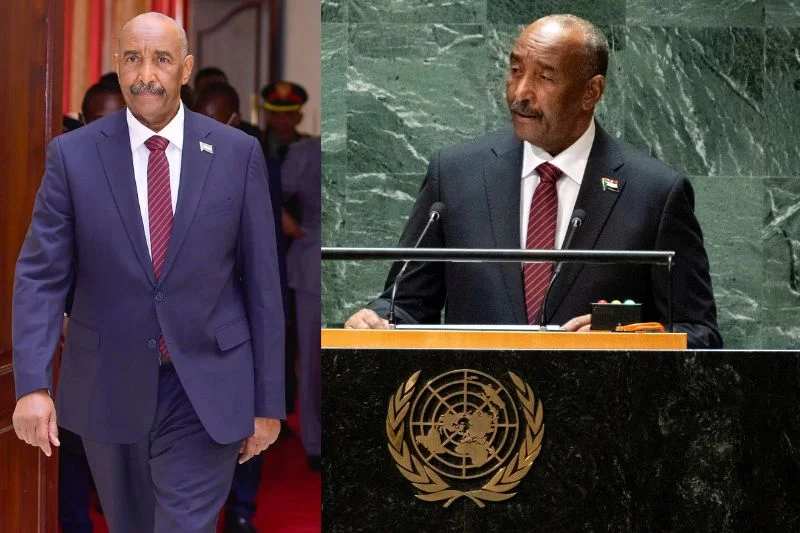
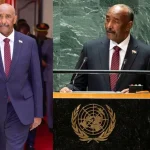
The reported U.S. decision to deny Abdel Fattah al-Burhan, the Sudanese army chief, a visa ahead of the United Nations General Assembly has introduced a new diplomatic flash point in Washington’s conflicts over Sudan’s war, ceasefire efforts and its ability to get access to the UN in New York.
On September 22, Reuters reported that the visa “seemed to have been dependent on Al-Burhan agreeing to a proposed 90-day ceasefire” proposed by US Senior Adviser for Arab and African Affairs Massad Boulos. The report relied on a Sudanese diplomatic source and a Western analyst with access to information from US and Sudan officials. Sudan’s UN Ambassador then requested the mediation of the UN Secretary-General, António Guterres.
Al-Burhan was scheduled to speak at the General Assembly, as he has in the past, even during the political turmoil Sudan has experienced since its 2021 military takeover, and the Political Committee was to put it on its agenda. The issue is not just one of travelling, but one of how Washington is leveraging diplomatic access as it seeks to put pressure on Sudan’s warring factions to negotiate.
Visa dispute becomes linked to the 90-day ceasefire
The visa and the proposed ceasefire are now the key points of contention in the dispute. Washington’s stance was made known in the context of a proposed humanitarian truce that would last 90 days, Reuters reported. Sudan’s army has voiced concerns about such ceasefires, however, with al-Burhan stating that previous ceasefires have given the Rapid Support Forces (RSF) and its supporters time to regroup.
Since April 2023, fighting has been between the Sudanese Armed Forces (SAF) and the RSF. Multiple mediation attempts have been made at the international level for humanitarian pauses and a broader political solution, but the conflict has persisted.
Al-Burhan has also said that peace deals are not likely to succeed in Sudan unless they are negotiated from within the country. He condemned past external ceasefire negotiations and endorsed a process of a monitored permanent ceasefire, a unified military with civilian control and an inclusive political process that culminates in elections, which he wrote of in a Foreign Policy article just prior to the UN dispute.
The visa condition is then reported on, as well as a disagreement over the procedures for a diplomatic halt and eventual termination of the war.
Washington says neither side represents legitimate governance
The visa battle has also been accompanied by one of the biggest statements of the US stance towards Sudan’s competing military leaders.
The U.S. State Department spokesperson Tommy Pigott stated that both the Sudanese Armed Forces and the RSF, along with their leaders, are not “legitimate and constitutional” forces in Sudan. He is ready to engage a “serious partner for peace,” and will raise the price for the conflict and the networks that finance it, he said.
That is not a sign of recognition of one side over the other. Rather, Washington is now making an explicit distinction between the armed combatants and the civilian political future that it claims can come out of the conflict.
Sudan’s Foreign Ministry has dismissed the US characterisation, which it says calls for peace talks to be based on territory already captured by the RSF. The opposite roles highlight the challenge of creating a political process that is acceptable to both sides, and that takes into account the humanitarian impact of ongoing hostilities.
UN access and civilian political representation come into focus
The issue has also brought into question the responsibilities of the country where the UN headquarters is located – the U.S. UN ambassador to Sudan, Hagan Armanis, also believed that the denial would hamper Sudan’s ability to participate in the UN’s General Assembly and urged Guterres to act.
The UN secretary-general has voiced concern about the denial of the visa, and the UN Secretariat has stated it has contacted US authorities about the visa. The UN Headquarters Agreement of 1947 puts “obligations” on the United States with respect to access for representatives attending UN business, but Washington has made other exceptions on security and foreign-policy grounds, according to Reuters.
The question is part of a wider discussion on the U.S. visas for UN personnel. The United States has also refused to grant visas to senior Palestinian officials, and granted visas to senior Iranian officials for the 2026 General Assembly on a restricted basis. Those cases have led to broader interest in the issues of the balance of host country immigration powers and host country responsibilities for UN participation.
Meanwhile, Sudanese civilian former Prime Minister Abdalla Hamdok has been in New York, participating in activities related to the General Assembly with members of his anti-war coalition. While it does not in itself decide who represents Sudan’s future government, his presence brings another factor to the table when discussing the nature of civilian representation in Sudan and the country’s eventual political transition.
The visa issue is thus not only a procedural one for Sudan, but also a diplomatic one. It coincides with Washington’s push for a humanitarian ceasefire, doubts over the legitimacy of both main belligerents and hints that an escalation of the conflict may result in further pressure.
The next big issue now is whether the issue of al-Burhan’s UN access makes negotiations easier or more difficult. However, the war in Sudan and its humanitarian situation have put the issue of diplomatic access, ceasefires and a civilian political settlement back on the international agenda.
More Global Work Visa Updates
Where Are Visa Risks Rising?
Find the latest UK migrant worker visa concerns.
How Will US Rules Impact?
Check out who faces tougher work visa restrictions.
Which Cities Welcome Remote Workers?
Explore the best global work-life hotspots.
Where Can Digital Nomads Work?
Browse the top visa-friendly destinations.
What’s Changing In UK Visas?
Get to know the latest immigration rule updates.