The Workers Rights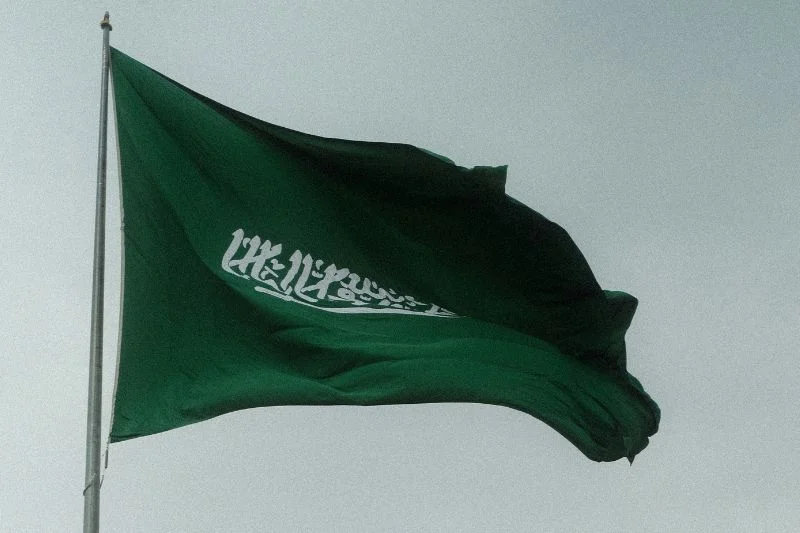
Sudan’s war has been in its fourth year, and it is often presented as a battle between two generals. It is also increasingly becoming a game played by outsiders, regional interests and conflicting strategic agendas, however. Saudi Arabia claims to be a mediator in a political process in support of a peaceful resolution to the conflict, but it has also got substantial strategic, economic and security interests in Sudan and the whole Red Sea region. Its interests are regional stability, maritime security, economic connections and minimising spillover effects of the conflict. This article looks at the question of whether these interests can further reinforce the Saudi’s role as mediator or will only complicate the quest for a lasting peace in Sudan.
A Strategic Asset on Riyadh’s Doorstep
Riyadh’s Sudan is in a humanitarian crisis. The Saudi Red Sea coast is home to many of the Vision 2030 flagship projects, and one analyst says stability in the Horn is a “national security and economic imperative”. Adds to the pull: food security. Saudi Arabia’s food imports are estimated at about 80% of consumption, and they’ve been seeking to cultivate land near their borders: Sudan and Somalia. Another attraction is gold; one Sudanese economist has said that Saudi Arabia will be the primary market for Sudan’s gold.
The connections are growing stronger, even during the course of this war. On 17 August, the two countries signed an agreement for the establishment of a Supreme Council for Strategic Cooperation and Coordination in Riyadh and on 14 September, Gen. Abdel Fattah al-Burhan chaired a committee on the financial and investment arrangements of the Supreme Council.
The two states are also taking a step to resume negotiations on the delimitation of their sea boundaries. The prime minister of Sudan has revealed to Riyadh that he presented him with 100 joint projects, which are related to the unexploited resources of the Red Sea. They aren’t final offers—just ideas- but an illustration of what’s at risk for Riyadh beyond the humanitarian crisis.
Jeddah Promised Peace. Why Did the War Continue?
Limited humanitarian access was briefly restored under the auspices of the US- and Saudi-mediated Jeddah Declaration of May 2023, which failed to materialise. The platform did not have any binding implementation mechanisms, according to analysts. Later attempts were no more successful. The Sept. 2025 roadmap for the Quad was a proposal by mediators and was not agreed to by the warring parties and never became a ceasefire or political change agreement, but instead was a humanitarian truce of three months before a permanent ceasefire was agreed to. In November 2025, the RSF declared that it accepted the plan, but did not stop its offensives – and there was no indication that the army agreed.
The next big hurdle is whether Riyadh might be able to serve as a neutral broker. The UAE was part of the Quad, but Burhan has suggested the UAE backs the RSF, a statement denied by Abu Dhabi but backed by experts at the UN and other reports, which suggest the UAE supplies the group through Chad and Libya.
Carnegie says the fighting will continue to escalate if the differences between the two countries, Saudi Arabia and the UAE, further polarise and if they continue to back the different sides. The multiplicity of mediation tracks and their lack of coordination are other reasons given; both sides are able to avoid making serious concessions. The inaugural Quad-Quintet joint meeting on 23 September resulted in no agreement on either side or date for meetings.
Influence, Access and the Limits of the Evidence
Several analysts say Riyadh’s mediation role is more than just that. Saudi financial and logistical support enabled the army to maintain its operations from Port Sudan and readjust itself before it retook Khartoum in January 2026, according to one of the analyses. The access at the top has been well reported: Burhan made his way to Jeddah on 20 April to meet with Crown Prince Mohammed bin Salman. More extensive security arrangements were set up in Riyadh too. On 30 July, it announced a Multinational Maritime Defence Alliance (MMDA) that includes Sudan, and the army has signed a separate security pact with the Presidential Leadership Council of Yemen.
Critics question whether this provides Saudi Arabia with leverage in the political process in Sudan, and whether potentially negotiating a maritime deal in the middle of the war raises questions about its legitimacy. Riyadh’s interests in ports, farmland and gold are tied to one authority, and that is why it has reason to cherish that relationship in any settlement. That’s an assumption and not a definite motive. There is little public information about Saudi links with Sudanese civilian parties and business networks, and numbers for Saudi financing are estimated by analysts.
While Powers Compete, Civilians Bear the Cost
The human impact is devastating. The UN estimates that nearly one-third of the population (33.7 million) will require humanitarian support in 2026; war crimes charges are levelled on both sides. 14 million people have been displaced. After the RSF took al-Fasher in October of 2025 following an 18-month-long siege of the town, news about mass killings and famine became available.
However, there is no information provided about any restrictions imposed by Saudi Arabia regarding the aid and/or displacement. All that can be said is that there is a war with outside assistance and rivalry, a mediator with his own goals and agenda. But any serious peace movement will have to have Riyadh demonstrate that those interests aren’t more important than a ceasefire that civilians can trust.
Global Worker Rights Issues You Should Know
Who Pays Rising H-1B Extension Costs?
Check out what workers can do if employers refuse payment.
How Do Malaysian Workers Navigate Singapore?
Find the key housing, economic and retirement challenges.
Could UK Bosses Really Face Jail?
Uncover what the illegal hiring crackdown means for workers.
Why Are Ceuta Migrants Returning?
Browse the food, safety and migration pressures driving returns.
Can Europe Solve Its Labour Shortage?
See why migration controls clash with growing worker demand.