 The Workers Rights
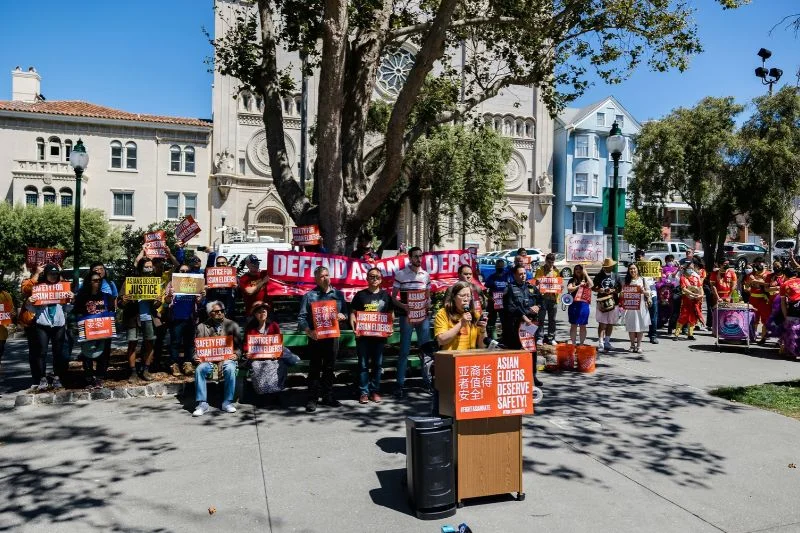
About 800 city workers in Oregon’s largest city have walked off the job and are on the picket line. The Portland labour strike of 2026 began at 12:01 a.m. Monday, Nov. 9, following a mediation session with the mayor that did not result in an agreement. The union walkout is about wages that keep pace with rising costs, and a future they can count on.
Key Highlights
- Who: Approximately 800 members of the City of Portland Professional Workers Union (CPPW) out of approximately 7,500 city employees
- When: 12:01 a.m., Monday, November 9, 2026 (strike began)
- Why: Negotiations fail after almost a year of labour union talks in Portland
- Strike vote: 93% of members gave the go-ahead
- Key issues: higher wages, fairer pay increases, more job security
- Pay gap: City offered 3% cost-of-living adjustment; union wants another 3.5% for lower-paid workers
- Pickets: Waste Treatment Plant, Portland City Hall
What Led to the Walkout
The union says its team offered a compromise proposal during Sunday’s mediation session, but the city’s team rejected it, and the mediation session ended before 6 p.m. No new date was given. CPPW President Kari Koch said the city bargained in bad faith. The city says it wants a deal fair to employees, sustainable and responsible to taxpayers.
The Pay Question Workers Keep Asking
For many members, this is a contract fight with the union over whether paychecks reflect the day-to-day reality. The cost of living in Portland is going up. Workers say the standard 3% adjustment doesn’t close the gap, especially for people on the low end. The extra 3.5% they are asking for is for the lower-paid, so it is a fight for fair treatment as much as a pay rise.
Job Security Under Threat
Wages are only half of the story. The union has also lobbied for more job security, something many public employees worry about in uncertain times. Workers want protections in the contract so they don’t have to guess about their future. That is why employee job security rights are at the heart of the talks, as is pay.
Who Does It Affect
CPPW members work in almost every part of city government, so the strike is not limited to one office:
- Nearly every worker at the Portland Bureau of Emergency Management
- Staff supporting law enforcement, fire and 911 operations
- Portland Clean Energy Fund workers may face delayed grant payments
- Portland Parks community centres: After-school, preschool programs
The city says it has a plan to keep public safety, infrastructure and other essential services running during the strike.
What Comes Next?
There’s no scheduled mediation session, and the result is unknown. Both sides say they want a deal, but remain at odds on wages and job protections. For now, workers are still on the picket lines, and residents who rely on city programs should stay tuned for updates on services.
Final Word
This strike shows how pay, job security and fair treatment can become one issue as costs rise. An agreement may be reached or not, but one thing is for sure: the message coming from the city employees of Portland is definite: they seek to have a contract that represents the cost of living and working in the city.
Global Worker Rights Issues You Should Know
Who Pays Rising H-1B Extension Costs?
Check out what workers can do if employers refuse payment.
How Do Malaysian Workers Navigate Singapore?
Find the key housing, economic and retirement challenges.
Could UK Bosses Really Face Jail?
Uncover what the illegal hiring crackdown means for workers.
Why Are Ceuta Migrants Returning?
Browse the food, safety and migration pressures driving returns.
Can Europe Solve Its Labour Shortage?
See why migration controls clash with growing worker demand.