
 The Workers Rights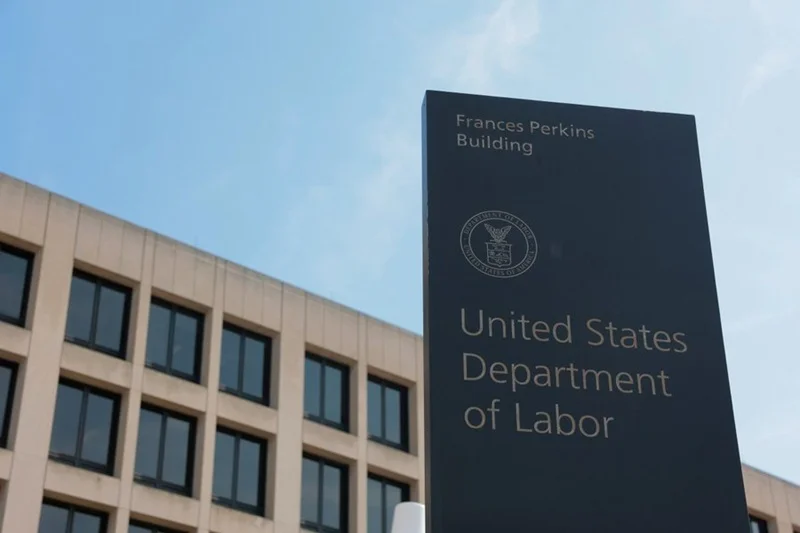
(C): X
The United States is making their largest changes to the employment-based green card sponsorship process in more than 20 years. The Department of Labour is looking to revamp PERM, the required labour certification process that employers must go through before sponsoring an alien for permanent residency. There are tougher recruitment standards, a new minimum wage and enforcement measures to be put in place. If your green card journey goes through your employer, here’s what the new PERM Rules 2026 imply for you.
Quick Facts
| Topic | Details |
| What is PERM? | The most common type of green card is an employment-based green card, which must begin with a Permanent Labour Certification. |
| Last major update | 2004 — over 20 years ago |
| Whose doing the changes? | US Department of Labour (DOL) |
| Key proposed changes | Stricter recruitment rules, higher prevailing wages, and stronger US worker protections |
| Proposed wage impact | The median salary for PERM jobs may be increased by ~$14,000/year per person. |
| Status | To formally consult the public on proposed regulations that may be issued. |
| The majority of visa types that are affected | EB-2 and EB-3 (H-1B to green card pathway) |
| What it does NOT do is not change. | Annual green card quotas, per-country quotas, or priority dates can be a factor. |
What Is PERM and Why Does It Matter?
To qualify for an employment-based green card, an employer must show the DOL that there is a shortage of “qualified” U.S. workers for the position. That’s the PERM process — and it’s the basis for most employer-sponsored green card applications.
It normally proceeds like this:
- Submitting a Prevailing Wage Determination (Form 9141) – this process is currently 6-8 months long.
- Carrying out a proper recruitment process that lasts for a minimum of 60 days
- Submitting the PERM application (Form 9089) – it takes approximately 12 months to process
- Then, filing Form I-140 (which will take an additional 6-9 months)
This is even before waiting in the visa backlog starts. Then each of those steps will be more challenging under the new PERM rules of 2026.
What’s Actually Changing?
The DOL is aiming to “modernise the standards and procedures” for PERM applications, with enhanced recruitment protocols and expanded protections for any US workers impacted by a layoff, as well as increased enforcement of the hiring rules for employers.
In simple language, that translates to:
- Stricter hiring requirements — employers will have to make more effort to demonstrate that they first looked to hire American workers.
- The higher prevailing wage rates — a proposed rule issued in March 2026 would raise the average certified wage by roughly $14,000 annually— would cost more to sponsor a green card through green card programs.
- More review on dismissing workers — Companies that have laid off Americans in equivalent positions in the past few years will have an even harder sell at their foreign talent hunt.
- New rules for advertising — regulators want to revise the rules on recruitment advertising to account for the changing digital world for recruitment, replacing the rules created in 2004.
Before vs. After: How PERM May Change
| Aspect | Current Rules | Proposed New PERM Rules 2026 |
| Wage floor | The 4-tier prevailing wage system is in place. | Average annual growth rate of positions: ~$14,000 per position |
| Recruitment standards | Established the 2004 framework | Modernised digital-era requirements |
| Layoff protections | Limited | The “expanded” version of which featured a series of recent U.S. layoffs. |
| Compliance oversight | Standard audit process | Stricter standards imposed by employers |
| Who will be impacted? Who will be the greatest beneficiaries? | Those who qualify for the EB-2 or EB-3 visa categories. | EB-2, EB-3 (same, but more difficult to qualify) |
| Green card caps | Unchanged | Unchanged — this is NOT a visa number change |
What This Means If You’re Waiting for a Green Card
The new PERM rules 2026 are not moving the visa queues forward or clearing the backlogs, but they do make it harder to get in the queue.
Any changes in the rules of recruitment or, more critically, changes in the testing of labour markets, could exacerbate already extensive processing times, and/or make it harder and more expensive for employers to sponsor employees, and for employees to obtain permanent residency.
The hardship is a very tangible one for smaller employers. A smaller company might no longer be able to afford its long-term sponsorship plan – in an employer’s case, with a total of 10 PERM-tracked workers, the proposed salary hikes are equated to an unplanned $140,000 in payroll expenses for the company over the year.
For foreign workers, the real threat is that fewer SMEs will be able or willing to sponsor green card workers when they are required to pay for a more expensive and restrictive process.
Stay Ahead of the Latest Updates
Why Is Visa Freeze Growing?
Check out what the latest US visa freeze means for tech expats.
Are Green Card Hopes Fading?
Find the latest updates affecting Indian H-1B employees.
How Did Nestlé Staff Win?
See how workers secured a 3.9% pay rise in the UK.
Changing Jobs This April Why?
Get to know the new day-one leave rights for employees.
How Sick Pay Rules Changed?
Look into what ending the 3-day rule means for UK workers.
What Is and Isn’t Affected
There are some things we need to be aware of about what the new PERM rules 2026 do NOT impact:
- The proposed changes to the PERM labour certification process do not affect the number of green cards awarded per year, the per-country caps, or the Visa Bulletin dates.
- Previous approved Prevailing Wage Determinations and Labour Condition Applications will not be impacted.
- Most cases involving family-based, Diversity Visa, and EB-5 investor visas are not affected and are being processed as usual. The majority of family-based, Diversity Visa and EB-5 investor visa cases are not affected and are continuing as normal.
The changes are very relevant to H-1B workers who are transitioning into a skilled worker green card through PERM and to those who have been on OPT/STEM OPT with a sponsoring employer.
FAQs
Are the new PERM rules already in effect?
No. These are proposed rules as of mid-2026, which are contained in a Notice of Proposed Rulemaking (NPRM). They undergo a public comment process prior to becoming final, usually at least several months long. While a final regulation is pending, current PERM rules continue to be in effect.
Should I submit my PERM application to my employer at this time?
Timing matters. If your employer filed a Prevailing Wage Determination today and the Determination is issued prior to the effective date of the final rule, then you should be bound by the rates in effect at the time of your employer’s filing. Consider speaking with an immigration attorney to determine if it is advisable to file early.
Will small companies be disadvantaged by these rules in their ability to sponsor green cards?
Potentially yes. Increased requirements for wages and compliance can increase costs and complexity, particularly for smaller employers who may even decide against sponsoring a foreign worker at all.
Are my priority date(s) preserved?
This PERM overhaul does not affect priority dates, visa backlogs or per-country limitations.
Which categories of green cards are impacted the most?
The main focus is on the two most common ways for skilled foreign workers to obtain permanent residency: the employment-based categories of EB-2 and EB-3. Largely unaffected categories include EB-1, NIW and investor.





Recent Comments