
 The Workers Rights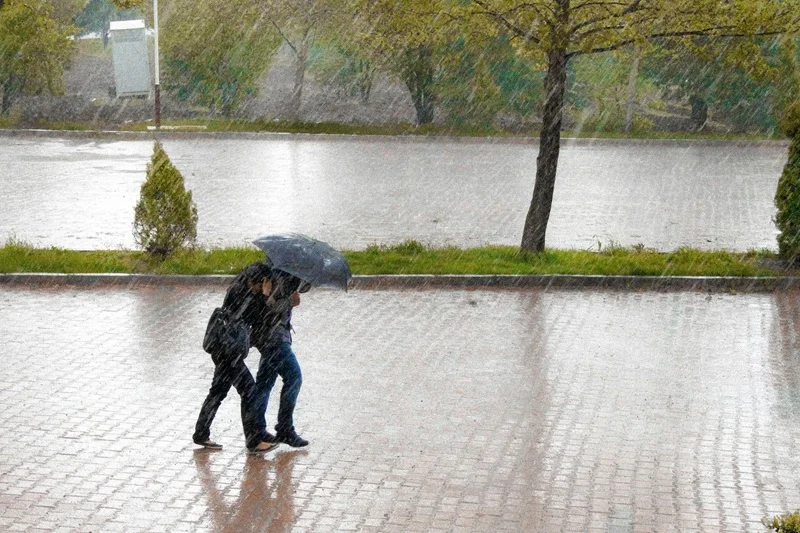
(C): unsplash
No, your employer has no right to make you take risks on your safety and travel during a red alert downpour. Companies will often have a Leave of Absence policy for Severe Weather, where they can implement a Work From Home or special leave option when the local authorities issue a severe weather warning.
There is no specific national legislation that focuses exclusively on the protection of employees during rain. But the directions of disaster management, state advisories and normal labour laws work together to ensure the protection of employees during the extreme weather events. Everything you need to know about your rights, WFH rules and what a reasonable Heavy Rain Leave Policy should look like.
Quick Facts: Heavy Rain Leave Policy
- There is no national legislation on the subject of rain leave, but the state disaster authorities can provide binding WFH warnings during red alerts.
- Under general principles in the field of labour welfare, it is a shared responsibility of the employers to ensure the safety of their employees during heavy rains.
- When a red flag is posted, it is typically recommended (not encouraged) that all work be done from home if the weather is bad.
- Leave benefits are not usually available for essential services staff such as hospitals, utilities, and emergency response.
- Each state, city and even company HR policy have different monsoon leave policies in India.
- Businesses with an established heavy rain attendance policy experience reduced conflict and calmer, less stressed staff.
Why a Clear Heavy Rain Leave Policy Matters
During each monsoon, the issue is always raised again: Should workers be allowed to take leave when it rains heavily, or should they report for work anyway? This is where a well-drafted Heavy Rain Leave Policy can help. It clarifies how attendance is recorded, when offices will be closed, when remote working applies, and so on, and no one is under pressure to go out through the flood, to avoid a salary cut.
Employer Obligations During Severe Weather
Employer responsibilities during severe weather typically involve paying attention to official weather alerts, turning on the WFH policy when it’s bad weather, and, of course, never punishing staff who cannot safely get to work. Heavy rain is not always explicitly mentioned in labour regulations, but the principles of occupational safety call on the employer not to risk their employees by creating foreseeable danger.
require employers to avoid exposing staff to foreseeable hazards.
More workplace tips await!
Looking for Dubai Remote Jobs?
Check out remote job options for Indians without visa sponsorship in Dubai.
Can Remote Work Feel Balanced?
Find practical ways to separate your work life from home life.
Which Work Style Fits Better?
Explore the differences between remote and hybrid work for better productivity.
Could Unhappy Leave Boost Wellbeing?
Get to know how this unique leave policy supports work-life balance.
Which Leave System Benefits Employees?
Dive into the key differences between unlimited PTO and statutory leave.
Heavy Rain Leave Policy: Comparison Table
| Scenario | Employer Action | Employee Right |
| Red/orange alert issued | Allow working from home in adverse weather conditions (WFH policy) | Work remotely without a pay cut |
| The offices will close if the rain is heavy. | Informal leave of absence (IFLA) | No attendance penalty |
| No official alert, personal risk | Case-by-case leave approval | Ask permission, which may require the manager to sign off |
| Essential service role | Report to work safely | Transport/safety assistance from the employer |
| Waterlogged commute route | Flexibility of working hours or WFH. | Punctuality is not to be punished. |
Workplace Safety During Monsoon
Staying dry in the workplace during the monsoon season is not the only concern; it is also about avoiding unsafe travel, electric risks and structural hazards near damaged structures. Including clear communication channels within a responsible HR policy is important to ensure that it is clear to employees that WFH or leave is activated as soon as it happens.
FAQs
May my employer require me to work when it is raining?
No. Employers should allow employees to work remotely or leave if they are warned about a red alert or if it is really unsafe to commute.
Are there any rules that are fixed and in place that a person takes leave if it rains a lot in India?
There is no national legislation; it is based on the disaster management orders of the different states and the HR policy of the companies.
What if my company doesn’t have any leave for heavy rain?
Leave may still be requested for ‘safety reasons’ and, where reasonable, employers should grant leave, particularly during official leave alerts.
Is WFH a working day for salary calculation?
WFH days will be considered ‘working days’ and will count as regular working days, and will be paid for as such.
Key Takeaways
An effective Heavy Rain Leave Policy ensures the safety of employees, minimises the risk of confusion and demonstrates a genuine employer responsibility. Understand your rights, seek clarification from HR and don’t feel bad for putting the safety of yourself and others above a soaking wet, hazardous trip to work.





Recent Comments