Senior Reporter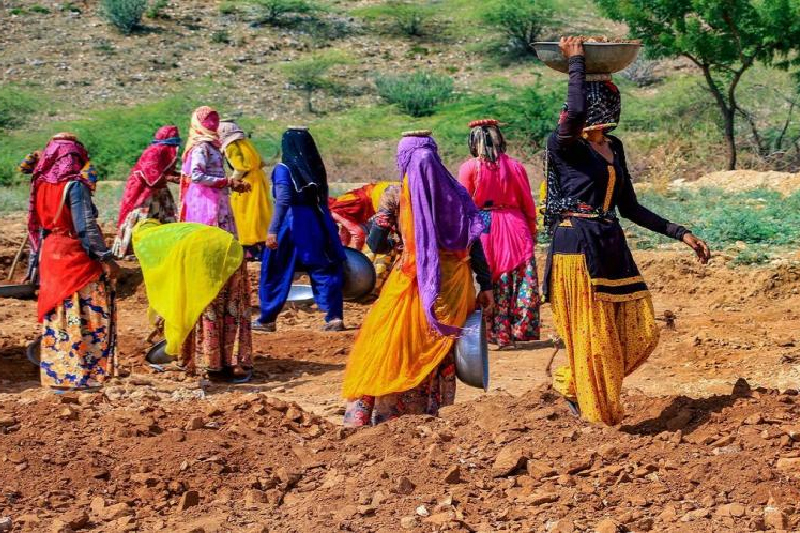
The Mahatma Gandhi National Rural Employment Guarantee Scheme (MGNREGS) stands as one of India’s most ambitious social welfare programs
The Mahatma Gandhi National Rural Employment Guarantee Scheme (MGNREGS) stands as one of India’s most ambitious social welfare programs, aimed at providing livelihood security to rural households through guaranteed wage employment. However, the scheme faces numerous challenges, particularly in its implementation and accountability mechanisms. This article delves into the recent strike by MGNREGS workers in Bihar’s Vaishali district, exploring the issues raised, the gender disparities inherent in the scheme, policy interventions, and persistent implementation gaps.
Strike for Accountability
In December 2023, nearly 800 individuals, predominantly women, participated in a strike within Bihar’s Vaishali district under the MGNREGS banner. Organized by the Narega Sangarsh Morcha, the strike aimed to address systemic issues within the scheme, particularly focusing on allegations of fraud and corruption. Workers demanded accountability from officials involved in diverting payments meant for laborers to corrupt channels, emphasizing the urgent need for transparency and integrity in the program’s implementation.
Challenges and Demands
The strike shed light on various challenges faced by MGNREGS workers, including delayed wage payments, lack of available work, and bureaucratic hurdles related to job cards. Participants in the strike demanded action against corrupt officials, thorough investigations into fraudulent practices, and immediate resolution of payment delays. They emphasized the importance of ensuring adequate work opportunities and removing administrative obstacles that hindered access to benefits for deserving beneficiaries.
Gender Disparities and Empowerment
Women form a significant portion of MGNREGS workers, facing unique challenges and vulnerabilities. While the scheme reserves one-third of workdays for women to address gender disparities in employment, testimonies from female workers like Shiv Kumari and Pramila Devi reveal persistent issues such as delayed payments and lack of awareness of their rights. Nevertheless, MGNREGS provides a vital avenue for rural women to achieve economic independence and contribute to their households’ financial stability, thus empowering them economically and socially.
Policy Interventions and Implementation Gaps
The government has introduced various policy interventions to enhance women’s participation, such as appointing female mates and ensuring childcare facilities at worksites. However, implementation gaps remain a significant hurdle. Issues like inadequate training for mates, irregularities in attendance marking, and lack of awareness among workers about their entitlements underscore the need for more effective policy implementation and oversight. Addressing these gaps is crucial to ensuring the scheme’s effectiveness and equitable benefits for all beneficiaries, especially women in rural areas.
The recent strike by MGNREGS workers in Bihar’s Vaishali district highlights the pressing need to address the challenges facing the scheme’s implementation. By strengthening accountability mechanisms, addressing gender disparities, and improving policy interventions, India can ensure that MGNREGS fulfills its mandate of providing livelihood security to rural households. Only through concerted efforts to overcome implementation gaps can MGNREGS truly empower rural communities and pave the way for inclusive growth and development.