khushboo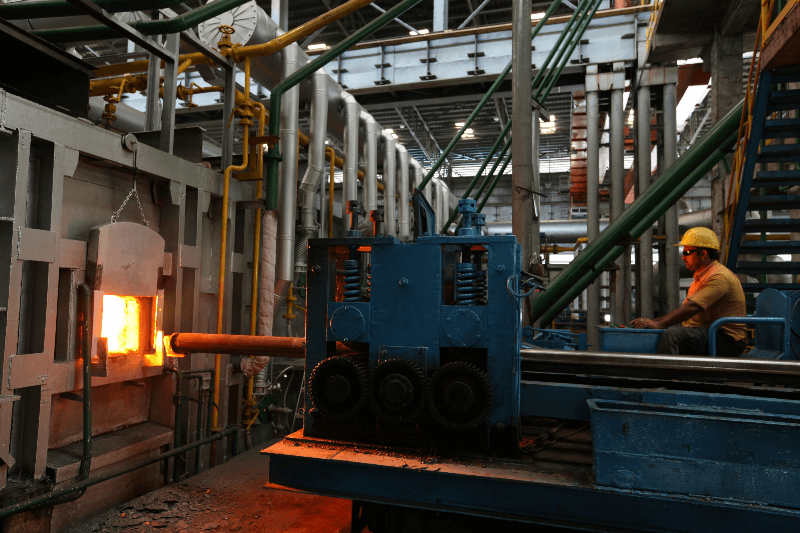
image 800×533 (23)
Last updated on September 18th, 2025 at 06:44 am
Step inside a workshop and the first thing noticed isn’t the machines. It’s the noise. Steel plates rattling, a welder’s torch crackling, the smell of warm oil drifting through the air. Behind each machine is a worker who keeps it alive. Jobs in industrial machinery components are the quiet backbone of factories and plants worldwide.
Linking Careers and Growth in Industrial Sectors
A car plant in Detroit. A textile unit in Bangladesh. A milling facility in Manila. The locations change, the story doesn’t. Machinery fails without people who can set it up, repair it, and keep it steady. That means jobs stretch far beyond a single sector. They move into transport, food, construction, even logistics.
One broken conveyor belt can delay an entire shipping order. On the other side, when factories grow, local businesses benefit. The same cycle shows up in Southeast Asia where industry connects to trade and new businesses. See successful entrepreneurs in the Philippines for one version of how machinery and people fuel bigger stories of growth.
Current Employment Numbers in Industrial Machinery Components
The workforce is huge. In the United States, over half a million people earn their living as machinery mechanics, millwrights, or plant repair staff. Add inspectors and engineers, and the global figure runs into several million.
Each year, the US alone records about 54,000 openings in these fields. Retirements account for a big share. In Asia, it’s different. Growth is the driver. Factories rise faster than schools can produce trained workers. Germany and Japan are facing another problem—replacing an ageing technical workforce while holding onto their reputation for precision industries.
Growth Projections and Future Demand
By 2030, projections show almost 19 percent growth in some regions. Renewable energy plants are already hiring turbine crews. Electric vehicle factories need specialists to install assembly systems. Aerospace facilities demand more inspectors to avoid expensive mistakes. Automation plays into the conversation, but it doesn’t wipe jobs away.
A robot arm welding car doors doesn’t set itself up, and it doesn’t fix itself at two in the morning when alarms go off. People still carry that responsibility. Employers know this and keep expanding their hiring pools.
Salary Trends and Job Benefits
The money side varies. US machinery mechanics average around $59,000 per year. In oil and aerospace, it goes higher. German and Dutch engineers working in advanced plants see salaries climb further. In Asia, wages are smaller, but companies often step in with meals, housing, or transport allowances.
That matters to workers sending money back home. Benefits are shifting as well. Health cover, pension contributions, and training support are now common. Why? Because employers understand losing skilled staff costs more than offering steady perks to keep them.
Key Employers and Hiring Sectors
Big companies still headline recruitment drives. Caterpillar, Siemens, Mitsubishi Heavy Industries. Yet smaller machine shops and regional plants create thousands of roles too. Governments push demand further. New rail projects in India, port expansions in Africa, and wind farms across Europe all require trained workers. Apprenticeships also remain a gateway.
Many careers begin in small local shops where grinders spark and machines rumble all day. From there, workers move to larger factories with more advanced systems. The ladder is still there for anyone willing to climb it.
Challenges and Opportunities in the Job Market
The main challenge isn’t lack of work—it’s lack of skills. Too many workers know mechanical repair but not digital systems. Modern machines rely on sensors and controllers. Without training in these areas, staff fall behind. Companies lose time and money filling that gap. Yet for workers willing to upskill, this shortage is an advantage in job market.
Learn robotics, advanced welding, or programmable systems, and better pay follows quickly. Mobility is another shift. Technicians are flown in for months-long jobs overseas: turbine projects in Europe, refineries in the Gulf, shipbuilding in South Korea. The hours are long and the environments tough, but the paychecks reflect the demand.
Industrial Machinery Jobs by Numbers
| Job Category | Global Employment Estimate | Average Annual Salary (USD) | Projected Growth by 2030 |
| Industrial Machinery Mechanics | 1.2 million | $45,000 – $60,000 | 0.19 |
| Millwrights | 350,000 | $48,000 – $62,000 | 0.15 |
| Maintenance Technicians | 900,000 | $40,000 – $55,000 | 0.2 |
| Engineers (Design & Production) | 700,000 | $60,000 – $85,000 | 0.12 |
| Quality Control & Inspectors | 500,000 | $38,000 – $52,000 | 0.1 |
Types of Industrial Machinery Components and Jobs
Millwrights
They move and align massive machines, often racing against deadlines inside noisy plants.
Mechanics
Repair crews who patch breakdowns, replace worn parts, and bring stalled systems back online.
Engineers
Design staff creating new components built to handle tougher demands and longer lifespans.
Maintenance Technicians
Everyday staff who grease, tighten, and inspect equipment before small problems turn large.
Inspectors
Quality workers who confirm safety and efficiency before machines leave the factory floor.
Career Opportunities and Industry Growth
The future is clear enough. Industrial machinery jobs are not disappearing. Asia continues to expand with new plants. Europe builds renewable projects at speed. North America leans on aerospace and heavy industry. Training schools and apprenticeships are trying to keep up, but demand is still outpacing supply. For those willing to train, the opportunities remain steady. Machines may change in design and scale, but the need for people who keep them running is constant.
FAQs
How many jobs are available in industrial machinery components worldwide?
Several million across mechanics, engineers, inspectors, and technicians in multiple industries.
Which industries hire the most workers in this sector?
Manufacturing, aerospace, renewable energy, transport, and construction are the largest recruiters.
What skills stand out today?
Mechanical knowledge paired with robotics, sensors, and digital controller training.
Do salaries stay the same across all countries?
No. Developed economies pay higher, while Asia balances lower wages with benefits.
Where will job demand grow fastest by 2030?
India, China, and Germany are leading growth, driven by new factories and infrastructure.