
 The Workers Rights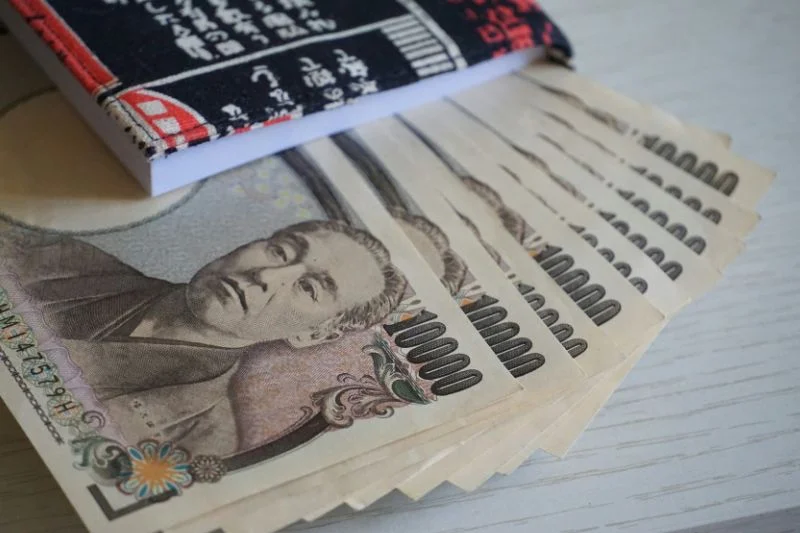
(C): Unsplash
Japan has put up its biggest showing yet as a world workplace. The 12-month wage increase reached 5.01%, which is the third straight year of wages rising more than 5%, and was equivalent to an average monthly increase of ¥16,400. This alters the equation for foreign workers, considering the pros and cons of living in Japan compared with the Gulf. There has long been a comment made about Gulf salaries, but the Japan Wage Hike, the growing shortage of labour and the clear visa system are narrowing the gap. The numbers don’t look like this.
Quick Facts
| Category | Japan | Gulf (UAE / Saudi Arabia) |
| 2026 wage growth | 5.01% (Shunto results) | Not consistently higher across sectors; not a consistent increase |
| Income tax | Yes (graduated, ~5–45%) | No tax on income (UAE, Saudi Arabia, Qatar) |
| The average earnings of a skilled worker. | ¥3.5M–¥6M/year (~$23K–$40K) | $30K–$60K+ (tax-free) |
| Cost of living | Moderate-high (Tokyo) / lower (regional cities) | Very High in Dubai; Moderate in Riyadh |
| Labor shortage | Severe — actively recruiting foreigners | Selective, expatriate-heavy workforce |
| Work visa availability | Expanding (Specified Skilled Worker, Engineer visas) | Employer-sponsored; sector-dependent |
What the 2026 Japan Wage Hike Actually Means
The Japanese spring wage negotiations, known as Shunto, established the ground rules for wage negotiations throughout the country. Unions negotiated a 5.01% average in 2026, mainly owing to a shortage of labour capacity in transport and logistics, as well as in commerce. The rise for smaller firms (below 300 employees or around 70% of the population) was 4.69%, which was significant but not nearly the 6%+ target unions were aiming for.
The big picture: This wage hike for Japan is structural. The Japanese government and businesses are working tirelessly to overcome the decades of sluggish wage growth, and year-on-year results are getting worse. This puts wages that were considered too low five years ago in the foreign workers’ case into serious consideration.
Japan vs Gulf: Honest Salary Comparison
| Category | Japan | UAE (Dubai) | Saudi Arabia |
| Income tax | Yes | No | No |
| Average engineer salary | ~$30K–$40K/yr | ~$40K–$70K/yr | ~$35K–$60K/yr |
| Healthcare | National insurance (subsidised) | Employer-provided (varies) | Employer-provided (varies) |
| Housing cost | Moderate outside Tokyo | Very high in Dubai | Moderate in Riyadh |
| Job security | Strong – Long contracts are common. | Employer/visa dependent | Restricted to employer/visa status |
| Language barrier | High (Japanese is necessary in many jobs) | Low (English-dominant) | Moderate |
| The pathway to permanent residency. | Improving: Skilled Worker visas available. | Restricted; No Permanent Residency Opportunities for the majority of the population. | Very limited |
The conclusion: For most highly skilled positions, the bottom line is still one that benefits the Gulf countries, given the tax-free take-home pay. However, Japan is winning because of its stability, social infrastructure and clearer long-term residency route. Net savings would be less, considering the savings would be smaller than the gross salary figures, particularly if you account for house and living expenses in the Gulf.
Why Japan’s Labor Shortage Is Your Opportunity
This issue of Japan’s ageing population and a dwindling workforce is well known, and there is a real demand for skilled foreign workers. The most severe labour shortage in Japan is experienced in:
- Healthcare and caregiving
- Transport and logistics
- Manufacturing and construction
- IT and engineering
- Hospitality and food service
The government has, in reply, introduced the Specified Skilled Worker (SSW) visa program and eased conditions in key industries. Jobs in Japan are more available with visa sponsorship for workers from nations with robust training streams into Japan, in particular (most notably the South and Southeast Asian nations).
These industries are directly affected by the 2026 Japan wage hike. In transport and commerce, two of the foreign workers’ largest employers, wages increased most rapidly, reflecting the real wages being pushed higher by the labour shortage.
FAQs
Which comes out on top for making money in 2026, the Gulf or Japan?
The Gulf still has the edge, as there is no income tax, in terms of raw take-home pay. However, Japan is catching up with steady increases in salaries and better long-term job stability and residency benefits.
Which is better, working in the Gulf or Japan to make more money?
Lifestyle is a factor. In addition, housing and living expenses are high for many cities in the Gulf — particularly Dubai — so the tax advantage is cancelled out. Available in lower-priced cities around Japan, the rent is sometimes competitive even after taxes.
What will foreign workers be paid in Japan post-2026?
Foreign workers with engineering, IT and manufacturing skills usually make ¥3.5M – ¥6M/year (~$23K – $40K). Take-home pay after taxes is highly dependent on income level and family status.
Do Indian workers prefer to work in Japan over the Gulf countries?
It will depend on the job and priorities. The Gulf countries provide better short-term salaries and well-established Indian communities. Japan provides visa opportunities, wage growth, quality of life and a need for language investment.
Should you consider relocating to Japan for work in 2026?
In areas of high demand, such as logistics, care, manufacturing and IT, the Japan wage increase, visa programs, and extended residency times make 2026 one of the best years in recent years for workers to make the decision to move.
Key Takeaways
- The 4.01% wage increase for 2026 was the third straight year that it has surpassed 5%, with an average of ~¥16,400/month.
- Despite the fact that gross salaries remain higher in the Gulf countries, Japanese losses are not as large as they once were because of the lack of income tax.
- The country has a shortage of labor and there is a real need for foreign workers in Japan, particularly in the logistics, care, manufacturing and IT areas.
- Japan has stronger long-term residency options than most of the Gulf countries.
- The Japan wage increase trend – it’s not only the 2026 number – is an indicator that one should watch if considering a job move in the next 1-3 years.
Explore More Visa Updates
How Do H-2B Rules Change?
Check out the latest filing process updates.
Need an H-1B Alternative Visa?
Find faster legal routes to work abroad.
Missed the H-1B Lottery?
Uncover backup visa options for tech workers.
Could UK Cover Visa Costs?
See how the new employer incentive works.
Why Was UAE Visa Rejected?
Look into what affected Indian workers.






Recent Comments