The Workers Rights
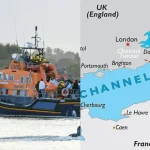
One of the longer Channel crossings this year was the crossing of Dover in a small boat with 51 migrants, who were in the boat for over 33 hours. It had left the coast of Normandy and was followed by French coastguard craft throughout the trip and was boarded by British rescue boats, which brought them on board and landed them on the coast. The migrants were then delivered to Border Security Command where they were subjected to the routine detention, identification, and processing procedures of all small boat arrivals.
Quick Facts: Dover Migrant Arrivals 2026
- Number of arrivals: 51 migrants on one small boat
- Time in air: Over 2 hours 45 minutes
- Departure location: In the vicinity of the French Normandy coast
- Arrival location: Dover, as opposed to the Portsmouth area as originally thought.
- Handled by: Border Security Command
- Year-to-date Channel arrivals: 17,480 migrants by boat to date this year.
- Year on year change: About 46% less than one year ago
- Related incident: In conjunction with this incident, another boat arrived in Folkestone undetected, the first to come into the town in one year.
What Happened at Sea
French coastguard ships followed the boat for most of the trip, which they said was “difficult” on board. French crews offered them assistance, but those on board refused; they were set on a course for the UK. After concerns were raised about the welfare of all on board, the Royal National Lifeboat Institution (RNLI) was called, and British rescue boats brought the group to land.
Protests and Arrests
But before the ship’s whereabouts was confirmed, people had flocked to Gosport in Hampshire, where authorities earlier had stated arrival was becoming more and more probable. There were clashes between protestors and officers, and multiple arrests were made for offences such as aggravated trespass and assault of an emergency worker. Other Channel crossings on the south coast have had similar events in recent months when a crossing has attracted public attention.
Dover Arrival vs Typical Channel Crossing
| Feature | This Dover Arrival | Typical Channel Crossing |
| Time at sea | 33+ hours | A few hours |
| Departure point | Coast of far western Normandy | Calais/Northern France coast |
| Rescue involvement | The RNLI and Border Force. | The Border Force, or the RNLI (Royal National Lifeboat Institution) |
| Public reaction | The big crowd of protesters was close by. | Tends to change with place and time |
| Outcome | Detained, checked, processed | Detained, checked, processed |
FAQs
Why did it take 33 hours to cross this?
This crossing was made from further west, along the French coast, than most crossings and was therefore a much longer crossing to the UK.
Since migrants arrive in Dover, what happens to them?
They are detained in the custody of Border Security Command and are subjected to the standard detention, identity and security procedures.
Are most migrants applying for asylum once they reach the country?
Yes, the overwhelming number apply for asylum when they are in the custody of the UK.
Do more or fewer Channel crossings occur in 2026?
This year’s overall numbers are well behind last year, attributed by officials to increased enforcement.
Did this boat do it before it got to shore?
Yes. Unlike another recent case that saw a boat make it to the Kent coast without being intercepted, it was tracked and met at sea.
Global Worker Rights Issues You Should Know
Who Pays Rising H-1B Extension Costs?
Check out what workers can do if employers refuse payment.
How Do Malaysian Workers Navigate Singapore?
Find the key housing, economic and retirement challenges.
Could UK Bosses Really Face Jail?
Uncover what the illegal hiring crackdown means for workers.
Why Are Ceuta Migrants Returning?
Browse the food, safety and migration pressures driving returns.
Can Europe Solve Its Labour Shortage?
See why migration controls clash with growing worker demand.