
 The Workers Rights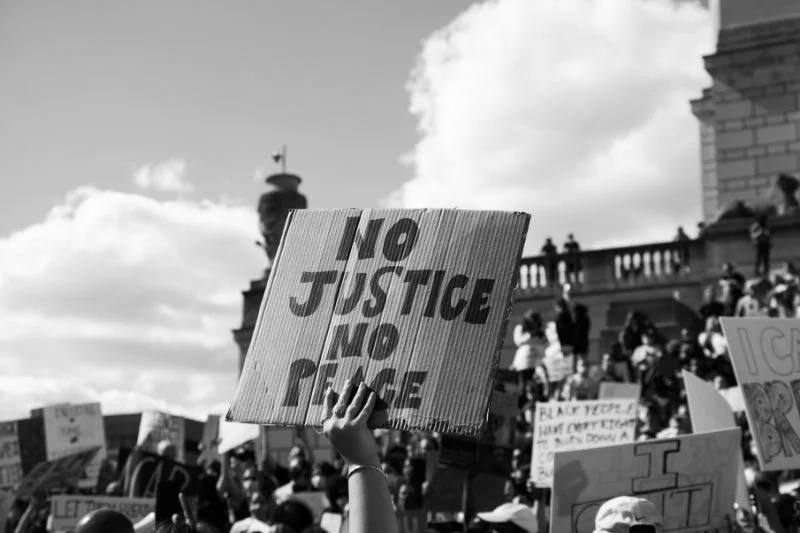
Human rights advocates and international watchdogs are urging more international focus on rights issues throughout Central Asia, arguing that diplomatic and economic interests should not eclipse basic freedoms.
The appeal comes amid continuing concerns about limitations on independent media, peaceful assembly, political expression and civil society activity. Central Asia remains strategically important because of its geographic location, natural resources, trade routes and growing international partnerships. But activists say more economic and political engagement should also compel governments to improve standards of the rule of law and protect citizens who raise legitimate concerns about governance and accountability.
Why Central Asia Is Now Strategically Important
Central Asia is becoming of greater strategic interest to the world’s major powers due to its position between Europe and Asia, and its links to key transportation, energy and trade networks. Kazakhstan, Kyrgyzstan, Tajikistan, Turkmenistan and Uzbekistan make up an area of growing importance in international economic and security planning.
Increased government and international institution engagement for access to markets, infrastructure opportunities and natural resources reflects the strategic importance of the region. Such relationships can create economic opportunities as well as give external partners more leverage in governance discussions.
Civic Liberties Under Duress Across The Region
One of the core issues raised by human rights organisations is the closing space for freedom of expression and peaceful political activity. Independent journalists, activists and civil society groups in parts of Central Asia have faced restrictions, making public criticism ever more difficult.
Independent media is particularly important because journalism can allow for scrutiny of government decisions, allegations of corruption and social problems. Restrictions on journalists thus have wider implications for transparency and accountability to the public.
Journalists And Rights Defenders Under Increasing Pressure
International advocates point to independent journalists, human rights defenders and others. Legal harassment, detention and digital threats may result in an environment where people are reluctant to probe sensitive issues or publicly criticise official policies.
This pressure may have more than individual effects. If journalists or activists are uncertain about their safety or legal status, other members of civil society may be less likely to speak out.
A New Dimension Of Transnational Repression
Activists have also raised concerns about transnational repression, in particular where governments or powerful neighbouring states seek to influence the discussion of sensitive issues beyond national borders. Such pressure can affect activists who are raising awareness about minority rights, political freedoms or other controversial issues.
This concern is particularly acute in a region where governments have complicated relations with larger regional powers. Authorities’ responses to activism around politically sensitive issues may be influenced by economic, security and diplomatic factors.
The Rule Of Law Still Important To Regional Stability
Activists say there is a close connection between protection of human rights and long-term political and economic stability. Strong rule-of-law institutions can offer clearer legal protections, increase public confidence and create more predictable conditions for investment and development.
Weak accountability mechanisms can even do the reverse. When citizens can’t find effective ways to challenge abuses or seek legal remedies, frustration can build and trust in public institutions can erode.
International Engagement Could Help Facilitate Meaningful Reform
Human rights coalitions have called on key international partners, including the United States and the European Union, to more strongly integrate rights considerations into their Central Asia policies. That approach doesn’t necessarily mean pulling out of the region. There are opportunities for economic growth in energy resources, transport corridors, mining, agriculture and emerging commercial links.
Human Rights Are Related To Regional Security
Security issues remain a big part of Central Asian diplomacy, especially since the region borders Afghanistan and is in the vicinity of several major geopolitical players. Counter-terrorism, border management and regional stability are thus high priorities for governments.
Security policies are more sustainable when they work within clear legal structures, according to human rights advocates. Too much restriction on peaceful political activity or independent civil society can create grievances but not necessarily address underlying security challenges.
Diplomatic Debate Grows Among Central Asian Governments
This growing international attention puts the Central Asian governments in a hard place. Governments across the region are trying to strengthen economic links and forge better diplomatic ties while balancing domestic political systems and security concerns.
International partners are also trying to balance competing interests. Energy security, transport connectivity, investment and geopolitical competition may make governments reluctant to exert pressure on domestic rights issues.
Central Asia’s Future Could Be Made Stronger With More Focus
The calls for greater attention to human rights reflect a broader debate about the direction in which Central Asia is moving. The economic development and geopolitical significance have opened new opportunities for the region, but sustainable progress also requires strong institutions and public confidence. Strong legal safeguards can also boost the confidence of citizens in the ability of institutions to resolve complaints.
Explore the latest global affairs updates.
What Does The CERIF Report Reveal?
Uncover the findings on long-term influence strategies.
Who Faces New US Sanctions?
Find the latest action targeting financial networks.
Why Verify UAE Investment Claims?
Check out why experts urge careful verification.
Can Gaza Reach A Ceasefire?
See the latest updates from key negotiations.
Why Are Journalists At Risk?
Look into the concerns raised over press safety.




Recent Comments