
 kritika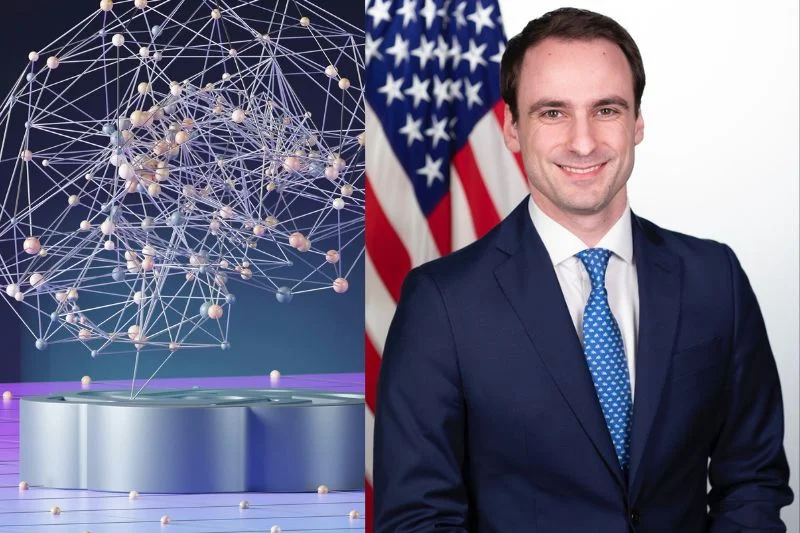
Is the layoff of AI workers actually about AI, or is there something more going on? A senior adviser at the White House is asking exactly that, and a lot of businesses would have done that anyway, independent of the role of artificial intelligence, and that’s an answer which goes down better in the media. While tech companies invest billions in AI, their headcounts are being reduced; it’s becoming increasingly difficult to distinguish between AI-induced job cuts and mere cost-saving measures.
Quick Facts
| Who | White House science and technology adviser Michael Kratsios |
| What | Warned that companies may be falsely attributing planned layoffs to AI |
| When | August 2026 |
| Why it matters | Questions the statistics and official company narratives regarding the layoffs of AI 2026 |
| Key companies | Meta (~8,000 positions eliminated), Microsoft (~4,800 jobs cut) |
| Optimistic outlook | AI will ultimately have a positive effect on employment, according to Kratsios. |
The Big Claim: AI as a Cover Story
The issue at hand is simple, yet important. If a company says that they’re making job reductions because of AI automation, and that the lack of jobs is somehow a problem, then people listen. Seems pretty future-oriented, a business that’s optimising itself for the future. But that question no one is shouting loud enough is: would those jobs have been lost anyway?
That’s what Kratsios is suggesting people think about. In 2026, the narrative of AI-driven layoffs has taken centre stage, so it’s possible it’s clouding the actual reasons behind workforce reductions (be it declining revenues, over-hiring during the Covid-boom, or just restructuring).
There’s also a monetary aspect to be considered. Investors are more likely to respond positively if companies talk about the benefits of AI in terms of productivity, rather than the loss of jobs. That would provide a perverse incentive that people can use to talk up layoffs as being caused by AI to the benefit of the company.
What’s Actually Happening at Major Tech Companies
As one can see through the examples below, the facts in the real world are not so clear.
| Company | Jobs Cut | Official Reason | AI Involvement |
| Microsoft | ~4,800 | Broader business restructuring | Ongoing investment in AI; upskilling of employees. |
| Meta | ~8,000 | Building AI-native teams | Approx 7,000 workers transitioned to AI careers |
| Other tech firms | Varies | Combination of cost and AI effectiveness. | Direct AI replacement, mostly not verified at this time. |
Microsoft has insisted that reductions are not a willingness to replace employees with machines, and has even supported training programs for its workers in the field of AI. Meta’s case is just a bit more complicated: the company restructured around AI but also has reduced its workforce, which is being billed as a “structural change” rather than easy AI automation job reductions.
Both stories are not as pure as they could be.
AI and Employment: The Broader Debate
Economists, workers, and policymakers are in a real quandary in response to these AI labour trends for the year 2026. Rather than the last wave of automation, which saw factory robots take the place of workers on an assembly line, the wave at hand is affecting white-collar jobs, moving faster and being explained in real time by the companies driving it.
This creates more challenges in measuring the AI workforce disruption and makes it easier to spin. A company can invest in Artificial Intelligence, make a number of people redundant, and assert that the two are linked, without ever having to prove it.
But there are still some voices that are more positive about AI and work. In his view, increased productivity driven by AI could drive down costs, increase the scale of the economy and, ultimately, result in less unemployment and more worker shortages. In a similar statement, the CEO of OpenAI has warned against using AI as the standard explanation for all economic shocks, such as job losses.
Should Workers Be Worried?
The truthful answer is: it depends on your sector and the similarity of your role to the aspects of work that AI can accomplish now. While not quite the grand apocalyptic predictions of online fearmongers, AI replacing humans is already a reality in some parts of the software creation process, customer service, and data processing.
The pressure is on workers to reclassify or upskill – what is real and growing. Even if companies are using AI to downsize, it could be more about restructuring the jobs than actually firing workers — and it may not be a smooth transition, or one that is done fairly.
FAQs
What did Michael Kratsios have to say about the layoffs of AI in 2026?
He said many companies are claiming their layoffs are driven by AI in order to appease investors and the media, but not necessarily because AI automation caused the layoffs.
Is job loss due to AI, or are companies overly using AI to blame?
Both are happening. There are legitimate reasons for job losses due to AI, such as the automation of certain tasks. Others seem to be planned and reshaped restructuring, which companies have repackaged and restructured based on AI for storytelling purposes.
What are some AI layoff announcements for 2026?
The two giants are Microsoft, which is slashing thousands of jobs, and Meta, which has been increasing its AI efforts and also reducing its workforce.
Is AI going to generate more opportunities for employment than it eliminates?
The longer-term optimist, including Kratsios himself, hopes that AI and employment trends will even out, in the direction of job creation. However, the impact of the disruption that exists for some roles and industries in the short-to-medium term is a reality.
The debate surrounding AI job cuts 2026 will not go away — nor should it — and the more companies use AI as a blanket term for job cuts, the more they will be freed from accountability over the human impact of their initiatives.
Explore the latest AI and workplace trends.
Which AI Model Leads Today?
Find the latest AI performance comparison.
Will AI Replace More Jobs?
Explore how automation affects job security.
Are AI Agents Joining Workplaces?
Uncover what the future of AI looks like.
Which AI Skills Are In Demand?
Check out the skills employers want.
Why Are Factory Layoffs Rising?
See which industries face the biggest cuts.






Recent Comments