
 The Workers Rights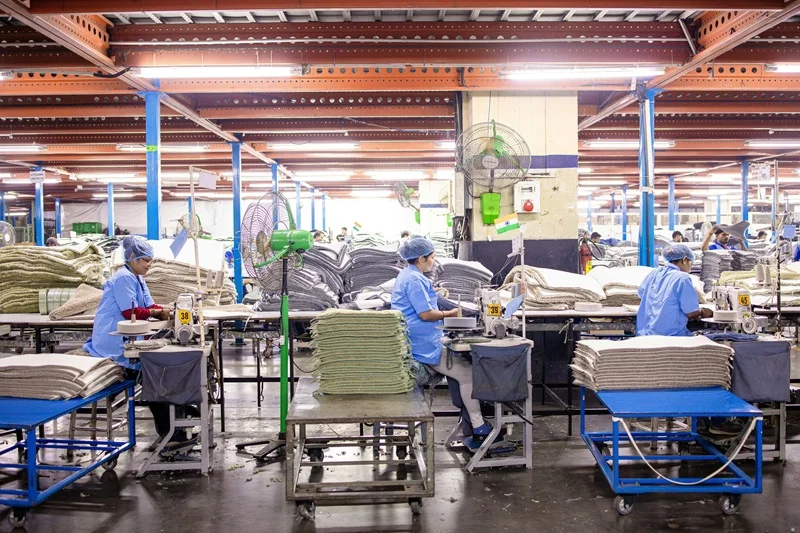
(C): Unsplash
Factory Layoffs in the US are at the highest level since 2009 (apart from the all-time pandemic record), yet factory production appears surprisingly positive. Manufacturers in June continued to reduce payrolls for the second consecutive month, reporting it as the least rosy aspect of an otherwise positive flash-PMI report from S&P Global. Confusion: A lot of the “growth” in the headline figures is actually inventory buildup, rather than actual consumer growth. It’s the three sectors that are taking the brunt of it.
Quick Facts
| Category | Details |
| Factory job cuts | This is the highest since 2009 (excluding pandemic). |
| June Manufacturing PMI | 55.7 — a 49-month high |
| The reason for the good output. | In reality, it is actually a stockpiling of inventory, rather than actual demand. |
| Hardest-hit sectors | We have large facilities that process and manufacture food, automotive, and tech hardware. |
| Tyson Foods cuts | ~3,200 (Lexington, NE) + ~1,700 (Amarillo, TX) |
| Intel workforce cut | Up to 20% (~24,000 roles) |
Why Are Factory Layoffs Rising While Production Looks Fine?
It’s a very complicated situation. The manufacturing PMI by S&P Global was the highest in more than four years in June, but employment in the same index continued to decline. Chris Williamson, Chief Business Economist at S&P Global, said the decline in employment was the most worrisome aspect of the report and was due to high input costs and a lack of confidence regarding current demand.
The split is based on inventory building. At the same time, many manufacturers increased their production rates, not for increased orders from consumers and businesses, but because of tariff hikes and supply chain disruptions. Hence, the topline growth number may seem healthy, but Factory Layoffs keep on climbing.
The 3 Sectors Facing the Deepest Cuts
1. Food Manufacturing
Food manufacturers are actively rationalising their production sites and streamlining supply lines. Food manufacturers are taking action to rationalise their production facilities and shorten their supply lines. One of the more prominent cases has been Tyson Foods, which has closed its operations in Lexington, Neb., by eliminating about 3,200 workers and roughly 1,700 employees at its Amarillo, Texas facility, as part of its restructuring efforts to beef. Labour information from the government also suggests continued, sequential declines in employment by subsector, such as in meat processing and packaged foods.
2. Automotive & Transportation Equipment
The auto industry faces not only the re-evaluation of its supply chains but a sluggish transition to EVs as well. In the past, General Motors has eliminated more than 1,000 employees at its Factory Zero EV plant in Detroit and foreign giants such as Volkswagen have slashed tens of thousands of jobs across the globe as they rationalise down their EV business in the face of less-than-expected orders.
3. Technology & Electronics Hardware
The shift in automation from factories to AI and automation is consuming a lot of the financial resources of factories that are associated with consumer electronics and computing hardware. Intel slashed up to 20 per cent of its workforce, or some 24,000 jobs, and postponed manufacturing plans in Ohio, opting to invest more in chip design than in expanding domestic manufacturing capacity. GoPro has also undergone substantial restructuring, cutting the staff at its worldwide factories and operations.
Sector Comparison at a Glance
| Sector | Main Driver | Notable Cuts | Outlook |
| Food Manufacturing | Supply chain consolidation | Tyson: ~3,200 + ~1,700 jobs | The rolling cuts are expected to be sustained |
| Automotive | Slower adoption of EVs and restructuring | GM is 1000+, and VW is tens of thousands worldwide. | As the demand for EVs recovers, this is tied up. |
| Tech Hardware | AI/automation investment shift | Intel: ~24,000 (20% of workforce) | Structural, not cyclical |
More Layoff Stories You Should Read
Why Gaming Jobs Still Shrink?
Dive into why developers face layoffs despite record industry growth.
Why Profits Can’t Save Jobs?
Uncover the truth behind corporate layoffs and efficiency-driven strategies.
Raised Millions Yet Cutting Jobs?
Find why ZKsync’s latest layoffs are drawing widespread attention.
How Will BBC Cuts Impact?
Check out what the planned job reductions mean for employees.
Are More Xbox Jobs Unsafe?
Get to know what Microsoft’s gaming layoffs could mean next.
What This Means for the Broader Manufacturing Jobs Outlook
So while it is all the headlines about the job cuts, it doesn’t happen everywhere. But the BLS data on broader manufacturing employment in the US has actually been positive this year, with survey data from factories indicating worsening cutbacks in some areas. That’s precisely why this trend warrants careful scrutiny — it is indicative that the pain is funnelled in specific areas of manufacturing, and not distributed across the board.
The larger worry economists have is sustainability: If the recent production recovery was largely due to stockpiling, then more Factory Layoffs may be to come as that inventory builds down.
FAQs
Why are manufacturing jobs so much lower since 2009?
The top reasons given by economists monitoring the trend for a rise in input costs, uncertainty over the viability of current demand and inventory-driven gains over demand-driven increases in production.
Where are the jobs being cut most severely at this time?
The sector with the largest job loss is food manufacturing at 12% down, automotive and transportation equipment at 10% down, and technology/ electronics hardware at 10% down.
Will there be a manufacturing recession?
Not necessarily. Orders and production have been increasing solidly. The worry is more over the durability of the underlying demand — whether it will do the same as it did recently, when they were stockpiling, or whether the demand is actually there.
Are jobs in the manufacturing sector overall on the decline across the country?
Not across the board. Despite the fact that certain companies are making sharp cuts in their employment figures, government statistics show that manufacturing jobs have increased slightly this year.
Key Takeaways
- The number of Factory Layoffs is the largest since 2009 (excluding the pandemic).
- PMI numbers are used to hide a lacklustre underlying demand, due primarily to inventory buying, which is the primary reason for the strength in the numbers.
- The three industries that are seeing the biggest numbers of job losses are food manufacturing, automotive and tech hardware.
- These are the companies that have the greatest number of people losing their jobs, such as Tyson Foods, GM, Volkswagen and Intel.
- Employment in manufacturing remains slightly positive, but there are areas of industry struggling.






Recent Comments