 kritika

(C):: X
Meta description: Explore 10 landmark moments in labor rights history, from early factory laws to modern global standards that protect workers everywhere.
Slug: landmark-moments-labor-rights-history
Subtitle: How strikes, tragedies, and bold laws gave workers around the world fair pay, safer jobs, and a voice
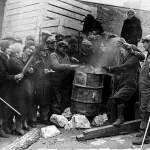
Although it is now normal for us to have a day off at the weekend, enjoy our lunch breaks and work in a safe environment, they were all fought for. The fight for labor rights has been driven by everyday people fighting against unfair treatment. Over the past two centuries workers’ movements have come together in factories and offices to change how we define a fair job. Below are 10 landmark events.
Factory Floor to First Worker Rights
•1802 – Britain– A law was passed into parliament to limit the amount of hours child apprentices could work in textile mills. One of the first attempts to control the working conditions in factories.
•1842 – United States– A court case (Commonwealth v. Hunt) in Massachusetts made it legal to form unions.
•1886 – Chicago– Thousands of workers marched for an eight-hour day . After violent protests in Haymarket Square the International Workers’ Day was formed. This day is celebrated in many countries on the 1st of May.
•1911 – New York– 146 garment workers died in a fire at the Triangle Shirtwaist Factory. Many of these workers were young immigrant women. The doors were locked and this shocked the public causing strict fire and safety regulations to be put in place.
•1919 – Geneva- The International Labour Organisation was formed to bring together Governments, Employers and Workers to create common standards.
Workers’ Rights Becomes Law Worldwide
•1935 – United States– The Wagner Act gave workers in the private sector the right to organise and collectively bargain.
•1938 – United States– The Fair Labour Standards Act created a minimum wage nationally. Workers also had the right to receive overtime pay and child labour restrictions.
•1948 – Paris– The Universal Declaration of Human Rights recognised fair pay, time off and trade union membership as fundamental rights.
•1970 – United Kingdom– The Equal Pay Act made it illegal to pay women less than men doing the same job. This inspired similar legislation in other areas.
•1998 – Geneva- The ILO adopted a declaration stating all member nations should commit to core principles. These include the right to associate freely, and abolishing forced labour, child labour and discrimination in workplaces.
Each of these steps started with a small group of people wanting things to change. Many workers in various places around the world still await these rights.
Discover the Latest Stories Shaping Workers’ Rights Worldwide
1. Are Filipino Workers Protected in Macau?
Explore how a landmark Macau court ruling strengthens the rights of non-resident Filipino workers.
2. Which Movies Highlight Workplace Harassment Issues?
Check out five powerful movies exploring workplace harassment and employee rights.
3. What New Rights Protect Indonesian Domestic Workers?
Find out how Indonesia’s new protections improve employment rights, legal safeguards and worker benefits.
4. Will Mexican Auto Workers Choose Union Representation?
Discover why workers at a Mexican border-city auto plant are preparing for a union vote.
5. Could US Trade Deals Strengthen Mexico’s Labor Rights?
Uncover how Trump’s trade deal could bring major improvements to workers’ rights in Mexico.