abi sri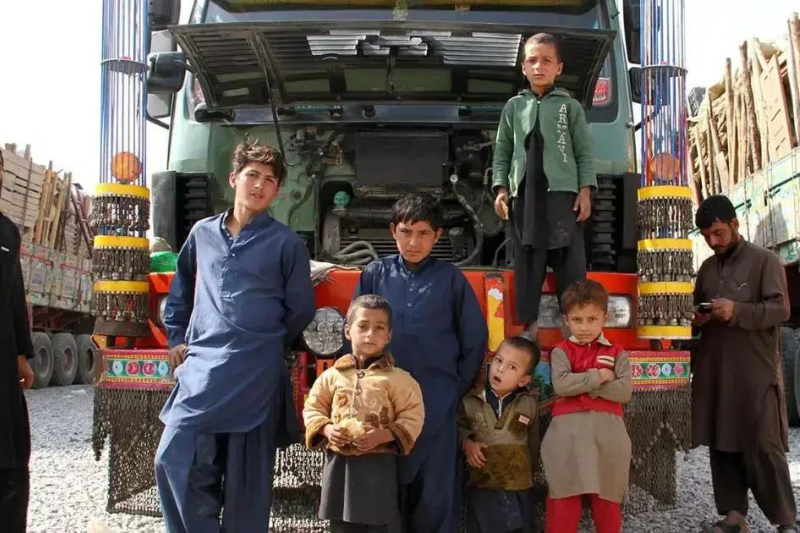
un warns pakistan against forcibly deporting afghan refugees
In a stern warning, the United Nations (UN) has raised alarms over Pakistan’s decision to forcibly deport Afghans within its borders, citing the potential for grave human rights violations. These concerns encompass the separation of families and the deportation of minors, heightening anxieties regarding the well-being of affected refugees.
Pakistan’s Crackdown on Unauthorized Afghan Residents:
Pakistan recently initiated a crackdown on individuals residing within its territory without legal authorization, encompassing an estimated 1.7 million Afghans. Authorities have set a deadline of October 31 for them to return to their home countries under the threat of mass arrests and expulsion. Despite official statements asserting a broader focus on undocumented residents irrespective of nationality, apprehensions regarding human rights infringements persist.
As part of its efforts, the Pakistani government has unveiled plans to establish a hotline and offer rewards for those providing information leading to the identification and apprehension of undocumented migrants.
UN Agencies Express Concerns:
UN agencies have drawn attention to Afghanistan’s severe humanitarian crisis, marked by various human rights challenges, particularly affecting women and girls. The Taliban’s restrictions on education, public access, and employment beyond sixth grade
have exacerbated the difficulties faced by Afghan women and girls.
Keep Reading
UN Emphasized Serious Implications on Pakistan’s crackdown:
The UN agencies emphasized the potential “serious implications” of Pakistan’s crackdown on individuals forced to leave Afghanistan and face protection risks upon return. While acknowledging Pakistan’s sovereign prerogative over domestic policies, the UN expressed readiness to assist in registering and managing Afghan nationals, including those in need of international protection. The International Organization for Migration and the UN Refugee Agency jointly called for the suspension of forcible returns of Afghan nationals and urged safe, dignified, and voluntary returns.
Local Measures and Arrests:
In response to the crackdown, landlords and real estate owners in Islamabad have been instructed to evict “illegal Afghans” and their families or face legal consequences. Police have enlisted the help of clerics in some mosques to encourage residents to report Afghans in their neighborhoods. Over 2,000 people have been arrested across Pakistan since the crackdown commenced.
Detentions and Deportations:
In southern Sindh province, around 1,100 Afghan nationals have been detained, with about 300 released after providing necessary documents. The remaining individuals await deportation to Afghanistan. In Islamabad, police use social media and television to raise public awareness about the anti-migrant policy.
Of the 1,126 Afghans detained in Islamabad, 503 have been charged with staying in the country illegally, and they will remain in custody until deportation. Authorities in Baluchistan province reported that hundreds of Afghan families have voluntarily left Pakistan and crossed the border. This crackdown has drawn criticism from human rights groups and the Taliban-led administration in Afghanistan.
Historical Context and Security Concerns:
Pakistan has historically been a refuge for Afghan refugees, with millions fleeing Afghanistan during the Soviet occupation from 1979 to 1989. The country has hosted one of the world’s largest refugee populations. However, the recent crackdown is unprecedented in scale. It comes amidst heightened security concerns due to increased attacks by the Pakistani Taliban (TTP), who operate from bases in Afghanistan and frequently cross into Pakistan to attack its security forces.