kritika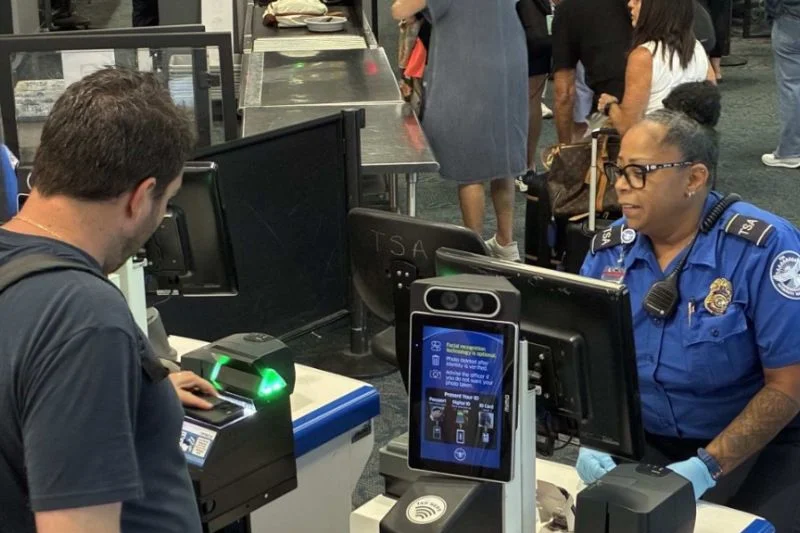
The short answer: it depends. The salary for private airport security positions compared to those of a federal TSA position depends on the contractor, location of the airport, and the package of wages and benefits provided. One thing is for sure: TSA Privatisation is gaining momentum in 2026 — and tens of thousands of airport security staff are closely watching to see what it means for their paycheck and careers.
Quick Facts: TSA Privatization 2026
| Fact | Detail |
| Workers who belong to a union. | ~47,000 TSA officers |
| There are airports that are already utilising private screening. | ~20 (under the Screening Partnership Program) |
| Airports that have implemented TSA Gold+ | Tampa, Des Moines, Charleston |
| Program name | TSA Gold+ (formerly known as SPP) |
| The right of a worker to be the first to be offered a job. | Yes – TSA officers are provided with priority in private vendor employment. |
| Pay parity requirement | Private contractors have to offer “commensurate pay and benefits”. |
| The lawsuit by the Union was of great magnitude. | August 5, 2026 (AFGE vs. TSA) |
What is a TSA Gold+ Program?
TSA Gold+ is TSA’s newest approach to privatised airport security screening. It is based on the current TSA Screening Partnership Program (SPP), which is in place at approximately 20 airports in the United States. Gold+ allows individual airports to choose a third-party contractor to handle the screening process on the ground, and the federal agency will still have the final say.
The agency has said the program helps to incentivise private investment, promote the adoption of new technology and ensure frontline airport security operations can continue without a federal funding interruption, such as a government shutdown. Last month’s shutdown, which lasted about 75 days, resulted in 61,000 TSA officers being without pay, something that has been a major driver for some airports to make the change, such as Tampa.
The Pay Question: Federal vs. Private Airport Security Jobs
The main worry of any airport security personnel in 2026. Federal TSA jobs have a set of federal protections: structured pay scales, federal health insurance benefits, TSA retirement benefits, and a level of job security provided by civil service rules. Even private airport security positions that require the same pay guarantees do not have the same guarantees.
Red flags have come up in past transitions under the Screening Partnership Program. Other workers were cut from their pension plans, or the matching contributions to their 401(k) plans have been reduced to lower figures than before by the private contractors. A security firm’s most expensive expense is its staff, so some critics say that if a private firm goes into business with low initial pay levels, it will find ways to cut staff over time.
The TSA has stated that current TSA officers will be the first to be offered positions with private vendors, and contractors would have to pay and provide benefits commensurate with current TSA officers. “Commensurate” does not mean “identical”, and the details of each contract will be different depending on the airport and contractor.
Federal vs. Private Airport Security: Salary and Benefits Comparison
| Factor | Federal TSA Jobs | Private Contractor Jobs |
| Pay structure | The feds have a pay scale. | Set by contractor (to be the same as the TSA level) |
| Health insurance | Federal FEHB coverage | Varies by contractor |
| Retirement/pension | FERS federal pension | Not guaranteed; varies |
| 401(k) match | Yes – employer match (TSA) | Varies by contractor |
| Job security | Federal civil service safeguards | At-will employment (typically) |
| Shutdown vulnerability | Yes — wages were not paid to workers | Airports say that this is a reason for their privatisation. |
| Union representation | AFGE (47,000 members) | Varies: May or may not be unionised. |
The Lawsuit: Transparency at the Center
The wage issue is not the only flash point in 2026’s airport security privatisation debate — it is transparency. On August 5, 2026, the American Federation of Government Employees (AFGE) filed a federal lawsuit charging that the TSA implemented the Gold+ program without informing the public or giving them formal notice. The union found out about the program incidentally, when a flyer came to light at Orlando International Airport in April.
The lawsuit is a Freedom of Information Act case, demanding TSA release records related to how Gold+ was developed and approved. The union says it’s a disservice to both employees and passengers to be able to privatise TSA without accountability, particularly as private for-profit firms manage the security screening at airports.
Will Private Airport Security Jobs Pay Less? Key Takeaways
- Enforcement and sustainability of pay parity are uncertain on a paper basis.
- Among the most common victims of cost-cutting contracts are benefits, such as pensions and 401(k) matching.
- The highest variable in any private security contract is staffing costs, and hence this is the area most likely to be cut in the future.
- While TSA workers have the first crack at the job, the transition to a private employer alters legal protections greatly.
- In 2026, at least three more airports will join the TSA Gold+ program, and even more may join in 2027.
FAQs: TSA Privatisation 2026
Will TSA officer positions be axed in favour of privatisation?
Not immediately. The first people to be offered a job by TSA at airports transitioning to Gold+ will be those working for the private company. But their federal status — and protections as employees — would come to an end.
What is the TSA Gold+ program?
TSA Gold+ is a new public/private screening partnership where the airport selects a third party to run security operations to the standards set by TSA. It’s an upgraded version of the existing Screening Partnership Program.
Are the wages of private airport security jobs equal to those of the federal TSA?
They have to have the same benefits and wages, but it does not mean that they will be the same. The pension, health-related information and retirement benefits may vary between federal and private employment.
Why was the TSA privatisation being chosen to be implemented at airports?
To minimise the impact of federal government shutdowns, many airports are electing to work overtime without pay, as has been their practice in the past.
Is the TSA’s privatisation scheme constitutional?
This is what’s at stake in the AFGE lawsuit. The union says the rollout was in violation of federal transparency provisions.
More Stories Worth Reading
Why Are Chandrayaan Workers Unpaid?
Find out what’s behind the salary concerns affecting mission workers.
Which Indian Startups Lead Innovation?
Browse the fastest-growing startups transforming India’s business landscape.
Which Government Jobs Pay Best?
Check out the highest-paying government careers and their key benefits.
Why Are Karōshi Claims Rising?
Learn how overtime can impact workers and compensation rights in Japan.
How Can MYFutureJobs Boost Careers?
Get to know the platform that helps job seekers find opportunities faster.