The Workers Rights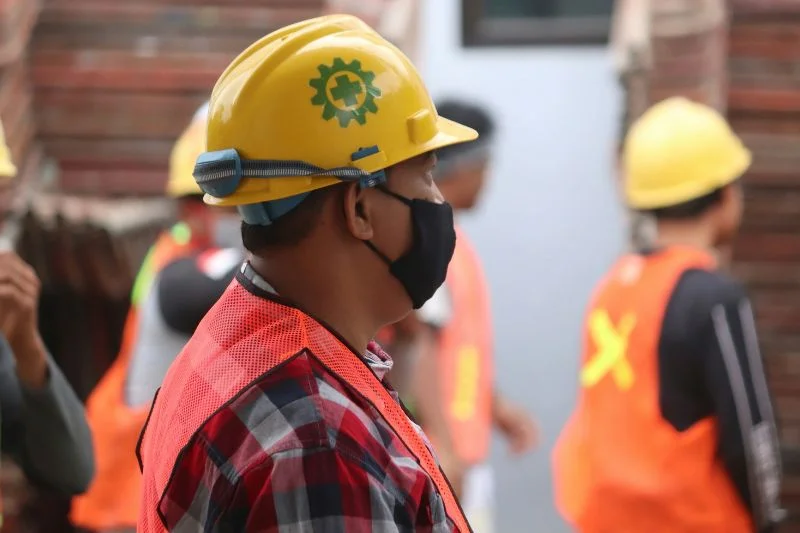
Migrant workers continue to be a significant part of the labour market in the Asia-Pacific region, bringing skills, labour and economic activity to countries of origin and destination. In this respect, regional labour organisations and international institutions have continued to advocate for stronger systems to protect workers from exploitation and to ensure access to decent employment and fundamental rights.
Fair Recruitment Could Strengthen Labour Rights Worldwide
Fair recruitment remains one of the main priorities for protecting migrant workers. Recruitment practices may include excessive fees, false or misleading information, abuse of documents and other practices which can leave workers vulnerable even before they start work.
The International Labour Organisation has produced guidance for regulators in the Association of Southeast Asian Nations region on licensing private recruitment agencies, monitoring recruitment processes, inspection, enforcement and complaints. Such systems can help reinforce accountability both in countries of origin and destination.
Proper Wages And Prompt Payment Remain Top Priorities
Adequate remuneration is another major aspect of the rights of migrant workers. Regular and timely payments allow workers to meet basic household needs and facilitate access to housing, health care, education, food and other basic services.
One important issue that India’s National Human Rights Commission pointed to during a stakeholder meeting on protecting migrant workers’ rights in May 2026 was timely and uniform payment of wages. The debate also linked remuneration with access to public services, health care, sanitation, housing, education and social security.
Social Protection Should Follow Workers Across Borders
Social protection is particularly relevant for migrant workers, as employment and residence can be subject to different legal and administrative systems. Workers may find it hard to access healthcare, pensions, injury protection or other benefits if their social security rights are linked to one country or one employment situation.
Social security is a basic human right, says the ILO, which has identified legal and practical obstacles facing migrant workers and their families. Its strategy promotes equality of treatment, non-discrimination and international cooperation to broaden the social protection coverage.
Migration Policy Must Continue To Prioritise Safe Workplaces
Another core element of the rights of migrant workers is the protection of workers from hazardous working conditions. Labour migration systems can help economic development but employment opportunities must be accompanied by adequate workplace standards, health protection and effective labour inspection. Migrant workers may encounter particular difficulties where their legal status, temporary contracts or the structures of the workplace limit their opportunities to organise collectively.
The ILO recognises that freedom of association and the effective recognition of the right to collective bargaining are fundamental principles and rights at work, for all workers, including migrant workers. These rights can help deliver fair pay, better working conditions and access to social protection.
Migrant Domestic And Care Workers Deserve Inclusive Protection
Domestic and care workers represent an important part of the regional migration landscape and can face specific challenges as employment takes place in private households. “Working conditions can make inspection, collective organisation and access to remedies more challenging than in conventional workplaces.
During the 2026 International Migration Review Forum process, ITUC-Asia Pacific drew attention to the vulnerabilities faced by migrant women workers, including domestic workers. The organisation also discussed protections for migrant women workers with representatives from the Philippines.
Stronger Legal Remedies May Strengthen Human Rights Protection
Access to justice is essential in giving effect to labour rights. The ILO has identified access to justice as a key element in the realisation of human and labour rights of migrant workers. Its guidance looks at barriers at all stages of the recruitment process and points to ways of improving access to remedies.
Migrant labour transcends national borders, and there needs to be cooperation between countries of origin and destination countries. Differences in employment law, social security systems, regulation of recruitment and access to legal remedies can create gaps which workers may find difficult to navigate alone.
The ILO’s regional work in Asia and the Pacific covers fair recruitment, working conditions, skills development, climate resilience and stronger regional cooperation. Such cooperation can help governments to improve their policy frameworks and share practical ways to manage labour migration.
Focus Of International Migration Review Forum On Implementation
The second International Migration Review Forum provided an important international forum to review progress on the implementation of the Global Compact for Safe, Orderly and Regular Migration. The 2026 Forum brought together governments and other stakeholders to review progress and discuss next steps.
The ITUC-Asia Pacific welcomed the adoption of the Progress Declaration and stressed that international commitments must translate into practical improvements for workers. This approach puts implementation at the heart of the debate, especially in areas like fair recruitment, decent work, social protection, collective bargaining and protection from exploitation.
Rights-Based Migration Can Lead To Inclusive Economic Development
Labour migration can aid economic development by giving workers access to employment, upgrading skills and supporting families and communities through wages and remittances. Labour migration that is well governed can underpin productivity, skills development and inclusive and sustainable development in countries of origin, transit and destination, the ILO said.
Thus, the protection of migrant workers’ rights is closely related to the overall quality of labour markets. Economic benefits of migration can go hand in hand with respect for human dignity and equality through fair recruitment, decent wages, safe workplaces, social protection and access to justice.
Singapore work trends, rights, pay, and career changes.
Can Project Managers Become Product Managers?
Check out the skills needed for a smooth career pivot.
What Rights Do Platform Workers Get?
Find out about CPF, insurance, and worker protections.
Why Are Workers Still Unpaid?
Uncover the warning signs behind unpaid Singapore wages.
How Do Migrants Support Singapore?
See how migrant workers strengthen Singapore’s economy.
Why Are Gig Workers Struggling?
Explore the financial pressures facing Singapore’s gig workforce.