The Workers Rights
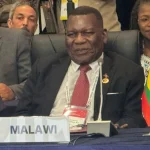
As Malawi braces for another round in the international human rights review, civil society organisations in the country are demanding better protection for migrant workers and their families. Representatives of civil society, the Malawi Human Rights Commission and United Nations partners held a two-day workshop in Lilongwe to identify priority issues affecting migrant communities.
Labour Rights Key To Protecting Migrants
Migrant workers may be particularly vulnerable because employment, immigration status and access to public services can become closely interlinked. Malawi workshop identified unfair recruitment practices, unsafe working conditions, difficulties accessing justice and barriers to essential services as some of the issues that need more attention.
Thus, the protection of labour rights is closely interlinked with wider human rights obligations. Fair recruitment, decent working conditions, access to remedies and protection from exploitation can help ensure that migration for employment does not result in reduced workplace protections or unequal treatment.
Malawi’s International Commitments Need To Be Practically Implemented
While the ICRMW provides a major international framework, the real protection depends on the way in which such commitments are expressed in national laws, institutions and day-to-day services. Upcoming Malawi List of Issues The Before Reporting process gives an opportunity to identify possible shortcomings in the implementation of international obligations.
During the intersessional period (October-December 2026), the UN Committee on Migrant Workers will be expected to prepare a List of Issues Before Reporting for Malawi under the simplified reporting procedure. Civil society submissions can provide independent information to this process and help identify issues for closer examination.
Special Protection Needed For Women And Children
Women migrant workers may face multiple risks in relation to employment, discrimination and access to services. Therefore, ensuring that women can effectively access labour protections can strengthen both workplace equality and broader human rights protection.
Therefore, enhancing the oversight of recruitment processes can be an important element of a rights-based migration system. Clear information about employment, enforceable contracts and accessible complaint channels can help workers know their rights before they start work and seek help when those rights are violated.
Protection Of Labour And Human Rights For Cross-Border Traders
Informal and cross-border traders are another group that comes out of the discussions. Such workers may help stimulate local economies and household incomes, while working in contexts where formal employment protections may not always be available in the same way.
Their experiences illustrate why the rights of migrants cannot be considered only in terms of formal employment. Access to services, protection from discrimination, fair treatment by authorities and access to justice are also important elements of human dignity and economic participation.
Civil Society Enhances Human Rights Accountability
Many civil society organisations work directly in communities affected by migration and play an important role in documenting rights concerns. Their evidence can shed light on the gaps between legislation, policy commitments and the reality of workers’ and families’ experiences.
The Lilongwe workshop brought together over 25 civil society organisations with the Malawi Human Rights Commission and UN partners, providing a broad platform for discussion. The process offers a way for community-level evidence to inform Malawi’s international reporting obligations and future policy discussions.
Global Migration Frameworks Can Support Malawi’s Reform Agenda
Discussions also cover Malawi’s implementation of the Global Compact for Safe, Orderly and Regular Migration. The framework offers a basis for international cooperation on migration and supports efforts to make migration safer, more predictable and better managed.
Aligning international commitments with domestic implementation can help create a more coherent migration governance system for Malawi. Labour rights, access to justice, protection from exploitation and social services are some of the elements that can be included in migration policies instead of being treated separately.
Better Institutions Can Better Protect Migrant Families
The rights of migrant workers depend not only on the regulation of employment, but also on the capacity of the institutions responsible for justice, oversight and public services. Better co-ordination between government bodies, human rights institutions and civil society can help to identify problems and improve responses.
The wider human rights program of the UNDP in Malawi has focused on strengthening the national mechanisms, supporting treaty compliance and increasing civil society capacity to represent vulnerable groups. The program is being implemented with partners that include the Malawi Human Rights Commission, the Ministry of Justice, the Judiciary, the Malawi Law Society and other institutions.
Malawi’s Review Presents Opportunity For Improved Labour Rights
The current civil society process offers Malawi a chance to look at how rights protections are felt by migrant workers and their families in practice. The coming international review can help identify where stronger implementation is needed, while providing a formal means to document concerns for affected communities.
Stronger protection frameworks can help workers get fair recruitment, decent working conditions, access to justice and protection against discrimination and exploitation. It can also strengthen protections for women, children, informal traders and Malawians working abroad, to keep migration policies grounded in basic human rights.
Global Worker Rights Issues You Should Know
Who Pays Rising H-1B Extension Costs?
Check out what workers can do if employers refuse payment.
How Do Malaysian Workers Navigate Singapore?
Find the key housing, economic and retirement challenges.
Could UK Bosses Really Face Jail?
Uncover what the illegal hiring crackdown means for workers.
Why Are Ceuta Migrants Returning?
Browse the food, safety and migration pressures driving returns.
Can Europe Solve Its Labour Shortage?
See why migration controls clash with growing worker demand.