
 kritika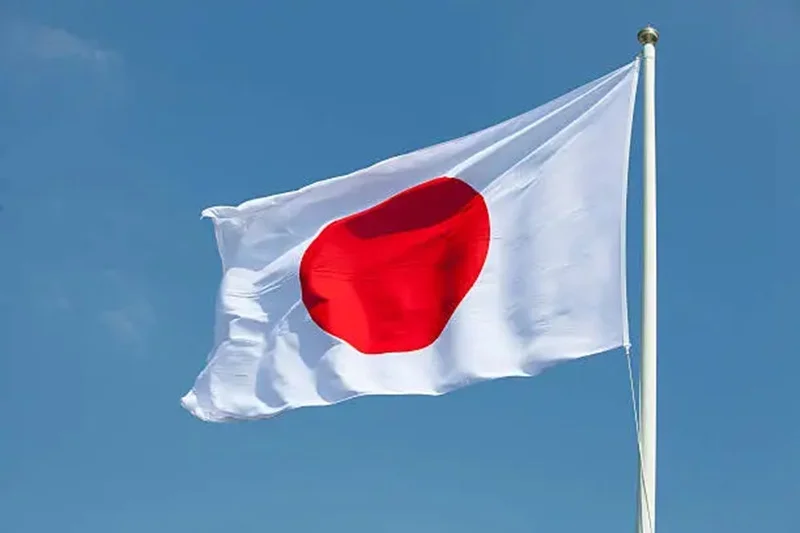
Japan will allow skilled foreign workers to stay for five years under the Type 2 Specified Skilled Worker visa category, to boost the attractiveness of such work within the country. The recommendation, which was made public by the Immigration Services Agency, sees an improvement from the current “harder to find, harder to come back” shorter residence visas and provides a more stable pathway to the future for the skilled worker.
The new reform will shore up Japan’s competitiveness in attracting foreign workers and fill the deficiency in the manpower supply of industries in Japan that are experiencing long-term manpower shortages.
Major Shift in Japan’s Skilled Worker Policy
Currently, the duration of stay for Type 2 Skilled Workers is awarded every 6 months, 1 year, 2 year and 3 years. However, under the new changes, qualified workers will be eligible for a single permit to work for a period of five years, letting them avoid regular renewals and administrative processes.
Will match other long term professional visa categories and offer better certainty for employer and employee.
Clearer Path to Permanent Residency
Some of the best features of the new five-year permit are the links to the permanent residency obligations of Japan. If you are applying for a visa under the rules in force, the period of valid stay for your visa category must be achieved before a visa is granted for permanent residence.
This measure further facilitates other residency requirements and eliminates an important procedural barrier by affording a five-year residence permit to those who met the other requirements for residency.
Type 1 vs. Type 2 Skilled Workers
There are two types of Specialized Skilled Workers in Japan. Type 1 is for skilled workers who have operational skills and can only stay for up to 5 years before they can access the permanent residency pathway.
However, type 2 is for the advanced-skilled and supervising personnel. They are now eligible to obtain a longer residence permit giving holders easier access to permanent residence, and can sponsor their spouse and dependent children.
Compliance Remains Essential
Maintaining good immigration compliance with Japanese laws will be a prerequisite for issuance of a five-year visa. In order to obtain the maximum period of stay, credits for tax, pension contributions, health insurance and employment will be considered.
The employer also has to show that the worker is responsible for supervising and working at wages equal to that of other Japanese workers of the same type doing the same job.
Stay updated with Japan work news.
Which Japan Jobs Pay More?
Check out the fastest-growing career opportunities.
Why Did Google Staff Unionize?
Find what sparked the workers’ movement.
Upgrading To Category II Visa?
Uncover why workers are rushing to qualify.
Can You Switch Jobs Easily?
Look into Japan’s new foreign worker rules.
Planning To Work In Japan?
See how stricter visa checks could affect you.
What Employers Should Do?
Any business employing foreign workers should get a good start on this and find skilled Type 1 workers who are willing to move into skilled, type 2 occupations by passing the appropriate skills tests.
Companies also need to ensure payroll compliance, timely tax payments and documentation, as well as planning to support relocation for family members that might join the Type 2 workers.
FAQs
Which is the new 5 year visa for skilled general visa?
The Immigration Services Agency (ISA) will extend the validity of residence permits for Type 2 Specified Skilled Workers instead of their shorter duration.
Why is 5 years of permit necessary?
The five-year period qualifies the applicant for Japan’s longest possible stay under a residence status, and thus renders permanent residency application easier.
Are Family members allowed with Type 2 Skilled Workers?
Yes. Type 2 Skilled Workers have the ability to sponsor their family members to come live in Japan with them (spouses with dependent children).




Recent Comments