The Workers Rights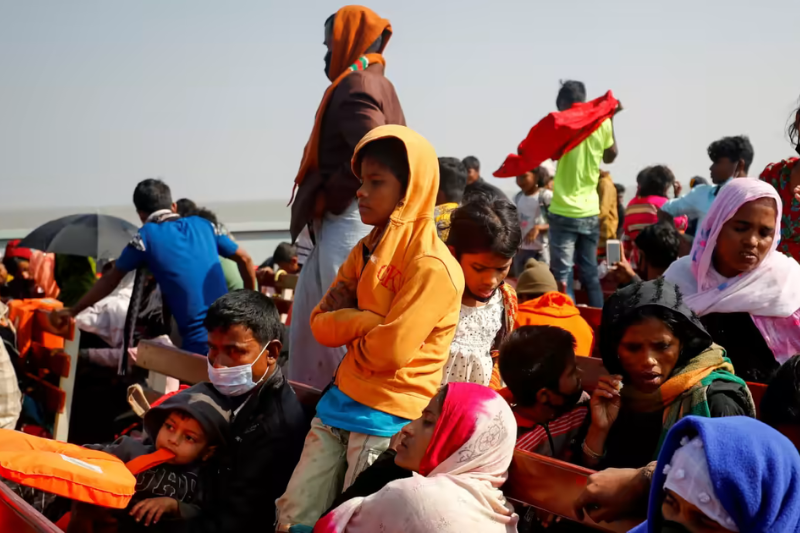
inadequate measures bangladesh’s failure to protect rohingya refugees from escalating violence
Human Rights Watch recently brought attention to the rising violence that Rohingya refugees are experiencing in Bangladesh’s camps. The organization draws attention to the insufficient steps the Bangladeshi government has made to safeguard these vulnerable refugees from armed organizations and criminal gangs. Numerous human rights violations have occurred due to the situation, including homicide, kidnapping, torture, rape, sexual assault, forced marriage, and others.
The Plight of Rohingya Refugees
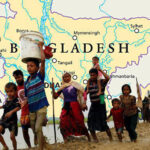
Approximately one million ethnic Rohingya refugees currently reside in Bangladesh after fleeing Myanmar due to military abuses in 2017. Unfortunately, these refugees still face serious risks inside the cramped camps in Cox’s Bazar and Bhasan Char. The Bangladeshi government has placed more restrictions in addition to the rising violence, such as restrictions on mobility, livelihoods, and education inside the camps.
The 26 cases of violence against Rohingya refugees that Human Rights Watch has recorded are corroborated by interviews with 45 refugees, police reports, and medical data. The organization draws attention to victims’ obstacles while requesting help from the police, judicial, and medical systems. The government have not improved security, offered proper protection, or brought charges against those involved in the violence.
Keep Reading
Armed Groups and Criminal Gangs
Armed gangs murdered more than 40 Rohingya refugees in 2022, and at least 48 died in the first half of 2023, according to Bangladeshi police. The true number of Rohingya refugees, however, is significantly more significant, they assert. Community leaders and their families are frequently the targets of these murders. Additionally, criminal groups engaged in human trafficking and drug smuggling worsen the situation, with migrants caught in the crossfire. The actions of armed organizations and criminal gangs have created fear and increased brutality.
Refugees from Myanmar who seek protection and justice face numerous obstacles. They must rely on administrative authorities in Bangladesh or security personnel within the camps to report problems because they cannot do so directly with the police. However, many refugees claim that they were either ignored or refused permission to do so after reporting instances. The victims’ efforts to seek justice are hampered by the absence of a working criminal justice system and by corruption and collusion between security personnel and criminals.
Recommendations
Human Rights Watch implores the Bangladeshi government to prioritise protecting Rohingya refugees and create a security plan that respects human rights after consulting with UN organisations and the refugees themselves. To accept and address complaints made by refugees, UN agencies should increase their staffing and resources. They should also ensure that reporting procedures are quick and private. Donor states and UN organisations should pressure Bangladesh to lower administrative hurdles to contacting local law enforcement and courts, increase the availability of resources like safe homes and hotlines, and support the formation of civilian rule in Myanmar.
The international community needs to respond quickly and take action in response to the plight of Rohingya refugees in Bangladesh’s camps. The Rohingya community needs to be protected from violence and given access to justice; thus, the Bangladeshi government must act immediately. Bangladesh can meet its responsibilities under international human rights legislation and give Rohingya refugees a safe and secure environment by resolving the systemic failings, working with UN organizations, and receiving assistance from donor states.