
 The Workers Rights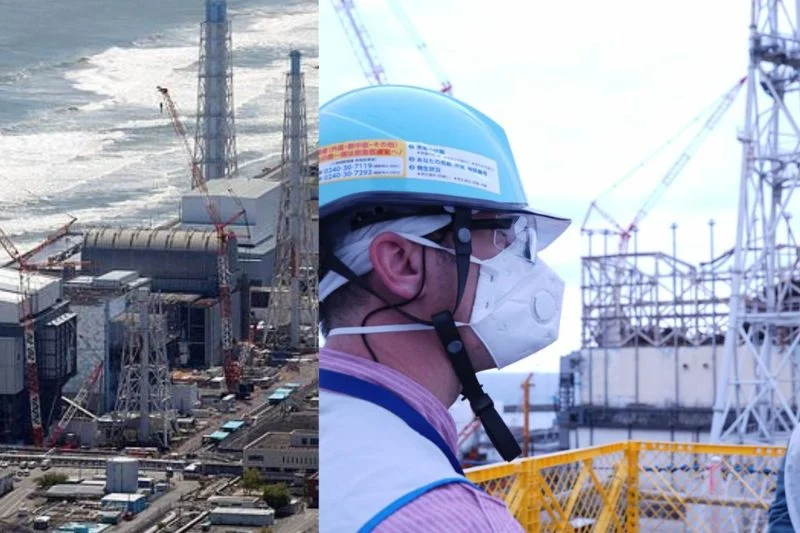
Fukushima radiation exposure has hit a new high: 53,145 workers at the Fukushima Daiichi nuclear facility have been exposed to doses of over 5 millisieverts (mSv) per year, the benchmark in Japan for reviewing compensation claims for leukaemia. But only 17 diseases have been officially recognised as work-related. What workers, families and health advocates have to comprehend now is that huge divide.
Quick Facts: Fukushima Radiation Exposure by the Numbers
| Metric | Figure |
| Employees who have received more than 5 mSv/year (cumulative to March 2026) | 53,145 |
| Employees who have accumulated an annual dose in excess of 50 mSv (annual peak year—APY) in FY2010. | 403 |
| Recognised work-related disease (RWD) cases | 17 |
| Proven fatalities in known cases | At least 2 |
| Diseases recognised | 8 leukaemia, 2 each of throat, thyroid, lung, and colon cancer |
| Average dose in FY2010 | 21.6 mSv/person |
| Average dose for FY2025 | 1.7 mSv/person |
| Expected decommissioning completion | 2041–2051 |
| Threshold for solid cancer compensation recognition | 100 mSv cumulative |
| In FY2025, the total dose at Fukushima Daiichi will be. | 20.97 Sv (vs. 2.22 Sv at the next highest plant) |
The 5 mSv Threshold: What It Actually Means for Workers
The 5 mSv is generally presented as a “threshold”, but this can be misleading. Japan does not have a general rule that a worker will be entitled to compensation under the occupational insurance system if he or she exceeds 5 mSv per year.
Leukaemia is the most pertinent type of claim for Fukushima radiation workers when it comes to 5 mSv. The assessment of eligibility for compensation is done by Japan’s Ministry of Health, Labour and Welfare, which takes into account the following factors:
- The disease diagnosed is evaluated differently as compared to solid cancers (leukaemia is).
- Total radiation dose – solid cancers need 100 mSv or more of total radiation dose to be recognised.
- The onset time of the disease (between exposure and diagnosis) is important.
- Occupational history – type of cleanup or waste contained, and time periods during which the worker was stationed.
That is, there is no simple formula that determines the workers’ compensation for Fukushima workers. If a worker is exposed to more than 5 mSv, he or she enters a zone that may have a claim (primarily for leukaemia) but does not automatically have one.
53,000 Workers, 17 Cases: Why Is the Gap So Large?
This is the crux of the Fukushima occupational radiation dose issue. The figures tell a fascinating story:
- The total number of workers in the 15-year period that exceeded the 5 mSv annual exposure limit was 53,145.
- Only17 have had their diseases officially recognised as work-related.
This disparity can be attributed to a number of factors:
1. The majority of diseases have yet to come. Cancer can develop 10-30 years after the radiation exposure, especially for solid cancers. Most of the high exposure periods occurred in FY2010-2011, which suggests that it may not be over for workers yet.
2. Good compensation for solid cancers. The cumulative 100 mSv (or more) for solid cancers can be compared to the leukaemia claims, which are based on the annual 5 mSv exposure limit. There are much fewer workers who are crossing that line.
3. Requires awareness and initiative to file a claim. It is often the case that many workers, especially those on contract or migrants who have been recruited during the emergency phase, don’t know their rights, may not have access to legal assistance or may be put off by the complexities of navigating the compensation bureaucracy in Japan.
4. Decommissioning is ongoing. The site will not be completely decommissioned until 2041-2051, leaving the new exposures and new diseases to continue to pile up.
How Fukushima Compares to Other Japanese Nuclear Plants
The extent of radiation doses received at Fukushima is not like any other nuclear plant in Japan. The facts are devastating when it comes to fiscal 2025:
| Nuclear Plant | Total Dose (FY2025) | Workers Exceeding 5 mSv |
| Fukushima Daiichi (TEPCO) | 20.97 Sv | 1,500+ |
| Takahama (Kansai Electric) | 2.22 Sv | 66 |
| Sendai (Kyushu Electric) | 0.99 Sv | 18 |
| Genkai (Kyushu Electric) | 0.80 Sv | — |
| The Japan Atomic Power (Tokai No. 2) | 0.75 Sv | 11 |
The total dose at Fukushima Daiichi is almost 10 times that of the next busiest plant. That gap is exactly as it is because of the decommissioning work that is continuing and is a very high exposure environment not paralleled anywhere in Japan today.
Radiation Exposure Trends: Is It Getting Safer?
There is indeed an upward trend in the data for exposure of Fukushima decommissioning workers per person per year:
- FY2010: 21.6 mSv average per person
- FY2015: 4.3 mSv
- FY2020: 2.6 mSv
- FY2025: 1.7 mSv
This gradual decrease is due to improved protection systems, better management at the site and the natural decay of ambient radiation levels over time. The workforce has completed the most hard-hit exposure period, the emergency response and initial cleanup.
But the combined effect of these early years still remains on workers who were on-site during those years. The health effects may only appear years later for Fukushima nuclear workers who have been exposed to large amounts of radioactive substances in both FY2010 and FY2011.
What Workers and Families Should Know About Compensation Claims
The compensation process in Japan requires dealing with the rules for the recognition of occupational diseases for those who work at Fukushima Daiichi and suffer from a serious disease. Let’s break it down –
For leukemia: cumulative dose over an extended period may be relevant, as well as the onset of leukaemia and the type of leukaemia. This is the most convenient way to access compensation as provided by the current Japanese radiation compensation law.
For solid cancers (throat, thyroid, lung, colon, etc.): the threshold increases to 100 mSv cumulative. The most likely workers to have crossed this line are those who have been around during the highest exposure years (FY2010–FY2011).
For all claims:
- Specific records of radiation exposure are crucial — TEPCO’s annual reports on radiation management are the main source of data.
- The evaluation is conducted by Japan’s Ministry of Health, Labour and Welfare.
- The process can be significantly enhanced by legal and/or union assistance
- Of the 17 recognised cases, at least two of these led to fatalities, and families who have survived can also make a claim.
FAQs on Fukushima Radiation Exposure
If a Fukushima worker receives more than 5 mSv, is he automatically entitled to compensation?
No. The 1 mSv annual dose limit is not an automatic trigger for compensation for leukaemia; it’s one of several factors. There are criteria for eligibility based on the disease, cumulative dosage, onset time and work history.
How many workers at Fukushima have been paid?
17 cases of work-related disease have now been officially recognised as of March 2026. Eight of them died of leukaemia; the rest died of solid tumours like thyroid, lung, throat, and colon cancer.
Is it possible that there are more compensation claims in the future?
Very likely. The latency periods of radiation-related cancers are long, and decommissioning continues. There are 53,145 workers who have received more than 5 mSv, and the site will not be decommissioned completely until 2041 – 2051, so the number of cases could increase substantially.
Why are there two threshold values: 5 mSv and 100 mSv?
The 5 mSv annual value is only valid for leukaemia deaths. A minimum of 100 mSv is needed to be compensated for solid cancer. These are independent standards in the Japanese industrial accident compensation system.
How is Fukushima Daiichi different from other nuclear power plants in Japan?
It’s not comparable. The total radiation dose at Fukushima Daiichi in FY2025 is 20.97 Sv, almost 10 times more than the next highest plant. This is indicative of the size and type of the decommissioning ongoing.
What if a worker has since emigrated or died?
Claims can be made by surviving family members for deceased workers. Those who have moved to Japan should still be able to file under Japan’s occupational disease system, but may require legal representation for non-residents.
Know Your Rights And Stay Protected At Work
What Are Different Types Of Leave?
Explore casual, sick and paid leave rules.
How Do Global Parental Leave Laws Work?
Discover rights and policies worldwide.
What Counts As Protected Characteristics Singapore?
Check new anti-discrimination law details.
What Is Workplace Discrimination Exactly?
Explore causes and prevention methods.
Why Can’t Workers Adapt To Heatwaves?
Discover challenges faced by urban workers.





Recent Comments