
 The Workers Rights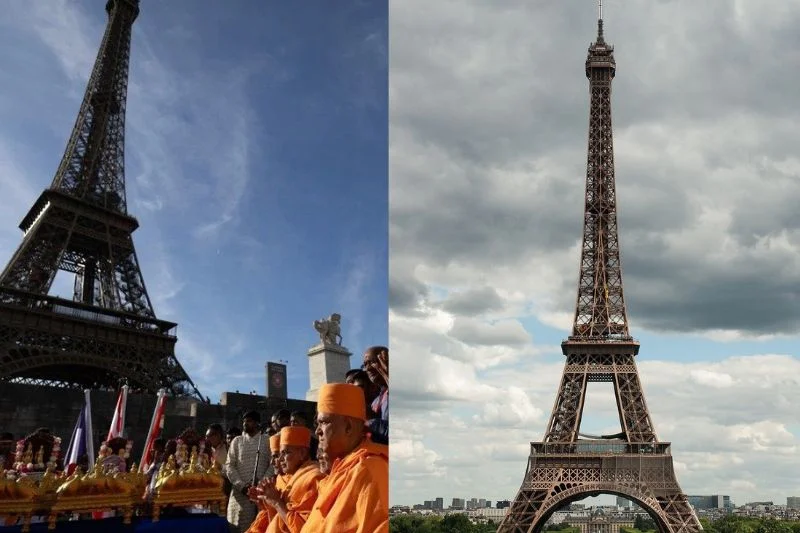
No — under French law, there are no legal grounds for a religious claim to be used to deny a woman equal treatment at work. The Eiffel Tower staff controversy was a national one that hit the headlines when women were said to have been asked to leave their jobs during a religious visit to the Eiffel Tower, leading to a strike, a formal investigation and debate about the limits of religious accommodation and the beginning of workplace discrimination.
Quick Facts: Eiffel Tower Staff Controversy at a Glance
| Detail | What Happened |
| What occurred | A visiting religious group was asked to pause their tour, and students were asked to leave the classrooms by their female staff members. |
| Worker response | Staff walked out on strike, and women expressed feeling “humiliated” |
| Management response | The operating company reported that it is inconsistent with its equality values. |
| Legal status | An official internal inquiry was opened |
| France’s position | The incident was condemned by politicians on both sides of the political spectrum. |
What Happened?
On a Saturday morning, a large religious group that strictly adheres to gender segregation visited the Eiffel Tower according to their doctrine. No notice was given to the female staff, who were asked to leave their duties and not to go into certain areas during the group’s time.
By Monday, the workers went out on strike. Management said that conditions placed on female staff were not “in line with the principles of equality between men and women” and the incident was “totally shocking and unacceptable”. An internal investigation was launched to find out who authorised it.
What Does French Law Say About Eiffel Tower Worker Rights?
Religious freedom and gender equality are in balance in the French workplace in a strong secular framework (laïcité), with equality prevailing where the two come into conflict. The law is clear on issues of religious accommodation and gender equality.
| Legal Principle | What It Means |
| Equal Treatment | Employers must not discriminate against female employees or discriminate against male employees, such as by dismissing female employees from their positions. |
| Third-Party Override Not Required | One does not need to stop the movement of employees based on their religion. |
| Discrimination through Proxy | Regardless of the intention, forcing women to leave work due to someone else’s beliefs amounts to indirect gender discrimination and is illegal. |
| Worker Dignity | Employers are obliged to prevent their employees from being treated in a degrading or humiliating way. |
It is possible to accommodate a visitor’s beliefs, but it is not a mandate, and it is limited. Gender discrimination in the workplace, a violation of French labour law and EU equality directives, is the forcing of female workers from their work.
Religious Freedom vs. Workplace Equality: Where to Draw the Line
What employers can do:
- Allow an employee to meet their personal religious requirements (prayer times, dress)
- Invite visiting groups to modify their trips according to the work environment’s normal guidelines.
- Say “No” when asked to do something illegal.
What employers can’t do:
- Have female staff members remove their positions as an “outsider” is being considered for a job
- Use different rules for workers across genders, even to appease external forces
The Eiffel Tower example is a clear example from the second column. The request was not from employees who were asking for personal space, but from visitors and at the direct cost of the rights of female employees.
Personal practice may be sanctioned by religious convictions. They can’t afford to dismiss their female employees as an inconvenience and relocate them.
FAQs on Eiffel Tower staff controversy
Can a faith community suspend all staff during a workplace inspection?
They may ask, but the Employer does not have to do so and has good legal grounds not to! It’s indirect gender discrimination if we do it.
Does an employer have to accommodate other employees’ religious requests?
Unless it is detrimental to another employee’s rights. Demeaning women do just that.
What are the repercussions for those employers who do? Strike action, investigations, reputational damage and legal liability, as happened here.
Is this an example to follow?
It reiterates the position of French and EU law: visitors’ preferences (whether religious or otherwise) don’t take precedence over employee rights in France or in the EU.
Key Takeaways
- The issue of the Eiffel Tower staff is a straightforward one: the rights of the workers do not take precedence over the preference of visitors for religion.
- Labour law and religious rights regulations are in place in France, where gender equality is not negotiable, whether for employees or visitors.
- Equality trumps religious freedom in the French law of the land, and it always will: In the French legal landscape, religious freedom and workplace equality have a solution: equality prevails – and will continue to do so.
- Workers are entitled to refuse, object and strike — and in this instance they did!
Global Worker Rights Issues You Should Know
Who Pays Rising H-1B Extension Costs?
Check out what workers can do if employers refuse payment.
How Do Malaysian Workers Navigate Singapore?
Find the key housing, economic and retirement challenges.
Could UK Bosses Really Face Jail?
Uncover what the illegal hiring crackdown means for workers.
Why Are Ceuta Migrants Returning?
Browse the food, safety and migration pressures driving returns.
Can Europe Solve Its Labour Shortage?
See why migration controls clash with growing worker demand.






Recent Comments