
 The Workers Rights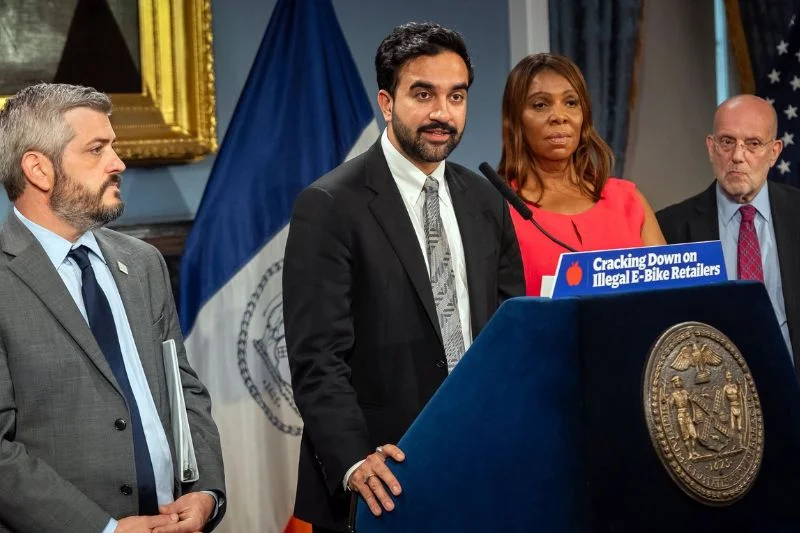
In the City of New York, where the last-mile delivery system is experiencing a rapid expansion, Delivery Protection Act legislation has been introduced to hold corporations directly responsible for delivery worker protections, safety protocols, and working conditions throughout NYC’s delivery ecosystem.
“Last Mile” delivery in NYC is rapidly expanding and Delivery Protection Act legislation is introduced to hold corporations directly accountable for delivery worker protections, safety protocols, and working conditions within NYC’s delivery ecosystem. This bill could dramatically change the working conditions of thousands of delivery drivers who are part of Amazon’s and New York City’s subcontracting programs, for better or worse.
Quick Facts
| Detail | Info |
| Legislation | Delivery Protection Act |
| Backed By | NYC Mayor Zohran Kwame Mamdani |
| Sponsored By | The Public Advocacy Centre presents the video from the hearing of NYC Council Member Tiffany L. Cabán. |
| Enforcing Agency | NYC Dept. of Consumer and Worker Protection (DCWP) |
| Key Target | Amazon’s DSP (Delivery Service Partner) subcontracting model |
| Crash Data | 78% of areas near last-mile facilities saw more injury crashes |
| Last Mile Facilities in NYC? | At least 18 that have been opened since 2017 |
| Status | In waiting to be voted upon by the NYC Council (as of August 2026) |
What the Bill Actually Does
Last-mile facilities (those sorting packages before they are delivered) would have to get licenses from the city under the Delivery Protection Act. More importantly, it would render the corporation that controls that facility liable under the law for the workers who actually make deliveries, even if the workers are working for a third-party subcontractor.
This is aimed at directly addressing the Amazon DSP model. Amazon sets schedules, routes, uniforms and productivity levels for its Amazon delivery drivers, but because Amazon classifies drivers as independent subcontractors, it avoids the responsibilities of an employer. Under NYC labour law, the bill would fill the void created by Mamdani’s policies that seek to hold the gig economy accountable.
What Workers Could Gain
Under the legislation, if passed, NYC delivery workers and Amazon delivery drivers will benefit from:
- Possibility of employer accountability: Corporations are legally responsible for working conditions (directly)
- New safety and training requirements: Minimum requirements before facilities can operate
- More sustainable delivery driver rights: Rights related to quotas and routes incentivising unsafe behaviour as it is now.
- Improved payment for delivery workers: Employer status provides opportunity for overtime, benefits and wage protections
- City oversight: DCWP will be able to inspect, license and enforce standards.
Crash rates around delivery facilities also rose significantly following the opening of the facilities, by almost 50% in some areas, according to a 2025 city report. A big part of the legislation is about making delivery workers safer.
Before vs. After: A Quick Comparison
| Area | Before the Act | After the Act |
| Employer Accountability | Subcontractor bears responsibility | A controlling company (such as Amazon) is brought into the court’s jurisdiction. |
| Facility Oversight | No City License needed | DCWP licensing mandatory |
| Worker Protections | This does not have to be consistent; it can vary from subcontractor to subcontractor. | Minimum citywide standards |
| Safety Standards | The operator of the facility has no direct connection to the facility. | The operator is responsible for route/quota safety. |
| Delivery Driver Benefits | A component that is frequently lacking when it comes to the DSP model. | The Employer Accountability approach to pathway to benefits |
The Risk Side: What Could Go Wrong
Every labour law comes with pros and cons. Some critics and industry observers worry that the direct liability might cause companies such as Amazon to scale back Amazon delivery roles in NYC or rethink their operations to avoid the compliance risk. However, when corporations complain about increased prices or the loss of jobs, supporters remind them that these are business decisions that are not a foregone conclusion of the market. NYC has already leveraged its power in the regulations arena to recoup millions in unpaid fines, and, as of late, collect more than $100 million in tips for delivery people through enforcement.
FAQs
Does this only apply to Amazon?
No. The legislation impacts any company operating last-mile facilities in NYC with a subcontracting model, although the most obvious case is Amazon.
With the rise of delivery jobs at Amazon, will this go away in NYC?
Adapt or die comes the call from critics, but from supporters, the argument is that companies would be more likely to adapt than walk away from one of the world’s biggest consumer markets.
Who is responsible for carrying it out?
Licensing, oversight and enforcement are done by the NYC Department of Consumer and Worker Protection (DCWP).
What impact does this have on Gig Workers in NYC?
Employers in DSP-style arrangements might hold workers directly accountable for their performance, opening up more avenues for delivery driver benefits, steady hours, and delivery worker pay protections.
The Bottom Line
One of the most direct actions taken by any major American city against the delivery workforce model of big tech companies is the Delivery Protection Act that was passed. The matter is quite serious both for New York City delivery workers and the companies employing them, since it guarantees increased safety and cleanliness of the streets without the threat of job restructure. What is clear about it is that the delivery economy system has been recognized by the labour policy of NYC.
Global Worker Rights Issues You Should Know
Who Pays Rising H-1B Extension Costs?
Check out what workers can do if employers refuse payment.
How Do Malaysian Workers Navigate Singapore?
Find the key housing, economic and retirement challenges.
Could UK Bosses Really Face Jail?
Uncover what the illegal hiring crackdown means for workers.
Why Are Ceuta Migrants Returning?
Browse the food, safety and migration pressures driving returns.
Can Europe Solve Its Labour Shortage?
See why migration controls clash with growing worker demand.




Recent Comments