
 kritika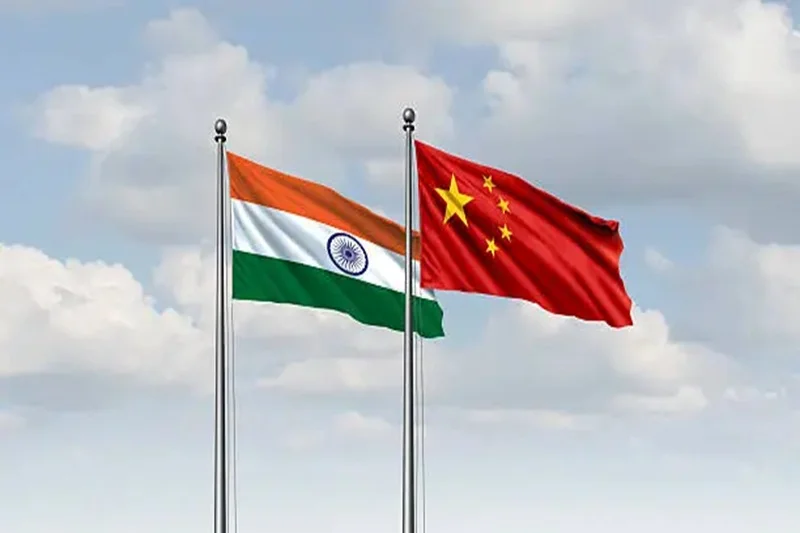
The problems Indian expats are facing in China are increasing, ranging from a diminishing number of work visas to restrictions on their spouses being employed to anti-India bias on Chinese social media. These issues were raised directly with Ambassador Vikram Doraiswami at a recent Open House at the Indian Embassy in Beijing, where for the first time in years, community members interacted with the Ambassador. The meeting discussed the changes in the visa policy of China, the consular impediments encountered by Indian nationals and the forthcoming support that is being planned for Indian nationals.
Quick Facts
| Topic | Detail |
| Event | The Open House organised by the Indian Embassy, Beijing. |
| Key Issues Raised | This is due to the refusal to grant a work visa, employment prohibition on a spouse, and online abuse. |
| Embassy Head | Ambassador Vikram Doraiswami |
| New Embassy Initiative | Indian visa for Chinese nationals is simplified. |
| Planned Support | A legal aid system to provide assistance for issues of work conflict. |
| Cultural Initiative | An increase in the number of programmes like the annual Vasant Mela. |
| How often Open House is offered/received. | To be organised regularly going forward |
Why Are Indian Workers in China Raising Alarms Now?
For years, India has been sending skilled people to China – engineers, IT professionals, pharmaceutical researchers, business development executives and so on. But the ground reality in China is changing for Indian professionals, and this is the reason why the concerns raised at the Beijing Embassy meeting reflect this trend, and Indian professionals should be aware of the fact.
During the Open House, there were three key points of discussion:
- The number of work visas issued by the Chinese government is dropping for Indians.
- The denial of employment to the spouse of an Indian worker.Preventing the spouse of an Indian worker from working.
- Anti-India feeling and its content on Chinese social media platforms.
- These are not “one-offs.” Overall, both signify a narrowing job market for foreigners in China and Indians in particular.
The China Work Visa Crunch: What’s Happening?
China employment visas used to be limited to the sponsorship of the employer, a valid work permit and relevant qualification. However, Indian expats in China and those who are aspiring to enter the job market are now talking about a rampant decline in the number of approvals for skilled, experienced candidates.
The China work permit system is based on a points system:
- Category A — First class talent (executives, researchers, high earners)
- Category B — Skilled workers in sectors where there is demand
- Category C — Seasonal/Quota jobs.
Most Indian workers in China go by the name of Category B, and in recent years, this category has been under the microscope — particularly since the start of the pandemic. Processes have taken longer, requirements for documentation have grown, and a few renewals have come across some brick walls.
Before applying, you will need to have:
- An employment contract with a licensed Chinese employer with a signature.
- Any relevant degree certificates (authenticated)
- Work experience evidence (usually 2+ years)
- Possession of a valid passport for at least 6 months remaining (must be issued by the State of origin and be in good condition)
- Criminal background clearance
The Spouse Employment Problem Nobody Talks About
Another, less-discussed but more problematic question that arose at the Embassy was the difficulty some Indian expats had in getting jobs. China dependent visas (usually S1 or S2 visas) do not automatically confer the right to work, and a China employment visa and work permit must be obtained.
This puts a strain on the finances of dual-income families right away. By also discouraging professionals from staying longer in China, it also diminishes the value proposition for Indian talent to work there.
The Indian Embassy has said that it is looking into establishing a legal mechanism to assist Indian professionals in resolving any work-related disputes in China, but a formal solution to the spouse work visa restrictions has yet to come to pass.
Anti-India Content: A Softer but Real Challenge
In addition to the paper, Indian expats also highlighted the uncomfortable and the growing trend of hostile content on Chinese platforms against Indians and comments on Indian food, culture, and national identity.
Ambassador Doraiswami admitted that the Chinese authorities know of the uptick and are taking action. The embassy is combating the narrative with its official means. Plans to expand the cultural programmes on the lines of the annual Vasant Mela are also in the offing.
This creates an extra psychological barrier to a complicated jobsite for those already in-country.
What the Indian Embassy Is Doing About It
The Open House was significant not only for the amount raised, but for the amount pledged! Key announcements include:
- Shortened the paperwork required for Chinese nationals wishing to travel to India — with a view to further ease bilateral travel provisions
- Continuing Open House meetings to ensure there remains a dialogue.
- The building of a legal professional network to support Indians with employment-related issues in China.
- Enhanced cultural activities to raise the profile of the Indian community
They are sensible measures — and anyone who wants to relocate to or remain in China as a professional should not put his/her own due diligence off until a more institutional solution is put in place.
Comparison: China vs Other Asian Work Destinations for Indians
| Factor | China | Japan | Singapore | UAE |
| Work Visa Complexity | High | High | Moderate | Moderate |
| Spouse Work Rights | Restricted | Restricted | Generally permitted | Generally permitted |
| English in Workplace | Low | Low | High | High |
| Indian Community Size | Small but established | Small | Large | Very large |
| Salary Range (skilled) | Competitive | Competitive | Very high | High |
| Cultural Adjustment | Significant | Significant | Moderate | Moderate |
Key Takeaways for Indian Professionals Considering China
- The visa approval is stricter — you should begin to apply for your China employment visa early, and make sure that all paperwork is flawless.
- Don’t assume that your spouse will work — consider a one-income household when planning your move.
- Make sure that you’re aware of your employment contract, and understand it well before you sign.
- Community support is limited — the Indian community in mainland China is no bigger than in the Gulf and Southeast Asia, and its activity is limited;
- The embassy is engaged – use Open House opportunities and official embassy channels as guidance and grievance escalation.
More work visa updates to know.
What Changes Under India’s Visa Rules?
Check out the new 180-day work visa requirements.
Why Was UAE Visa Rejected?
Find what the hospital shutdown means for workers.
How Can You Avoid Visa Scams?
Uncover how to verify a genuine Italy work visa.
Could Work Visas Replace Asylum?
Look into the UK’s proposal for Albanian migrants.
Which Countries Offer Easy Visas?
Browse the top destinations with simpler work visas.






Recent Comments