aamna aamna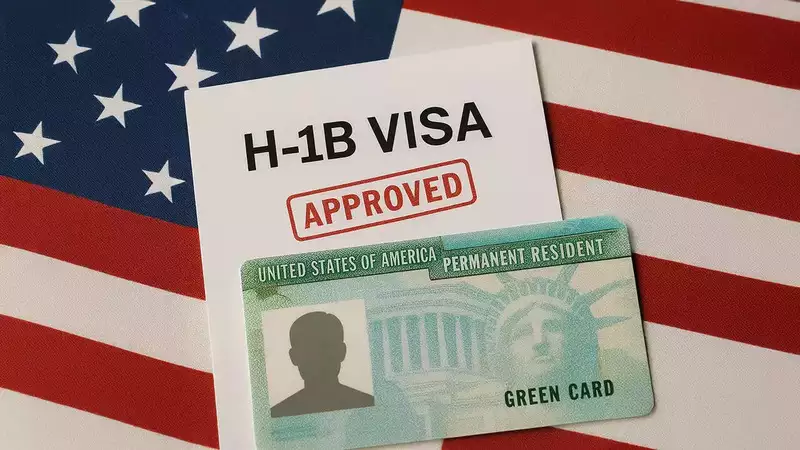
After the Trump administration developed new immigration rules, major US technology companies told their employees with H-1B visas not to leave the country due to returning issues, as stated Washington Post. Most H-1B visa holders in America’s tech industry are Indian people who face this problem. The H-1B program grants 65,000 visa approvals each year, but most go to Indians, who make up the majority of technological workers in America. Second place goes to Chinese and Canadian citizens.
Indians working in the Tech sector experience these security challenges making their pathway to U.S. residency more challenging. The number of green cards available per country prevents Indian workers who serve top companies from getting residency even after years of work. According to Aravind Srinivas, the CEO of AI company Perplexity, who founded a $9 billion company. He has been waiting three years for a green card, although his company employs many employees.
Despite recent favorable talk about H-1B visas by President Trump his wider immigration policies generate ongoing concern among American tech companies. As President Trump’s first term continued skilled visa denials rose to 15% while immigration experts predict this pattern might repeat.