The Workers Rights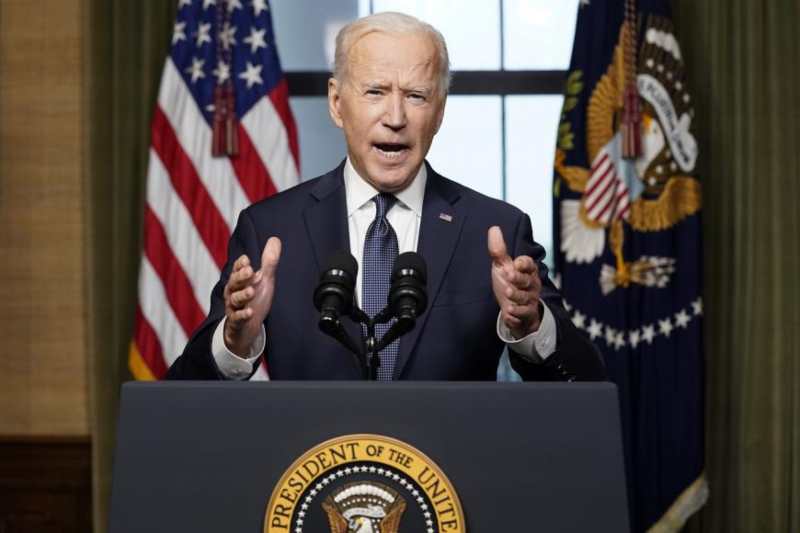
joe biden
Last updated on September 20th, 2023 at 11:10 am
The U.S. government should take steps to address fears of increased insecurity spurred by its announced plan to withdraw all military forces from Afghanistan by resorting to continued support for human rights, Human Rights Watch (HRW) said today.
It urged that the U.S. should embolden its assistance for health and education, especially for girls and women, and for independent sections of media in view of the threat of an increasing conflict that underscores human rights gains and increases the country’s humanitarian crisis.
“U.S. President Joe Biden’s decision of withdrawing the forces has raised fears that insecurity may take away important gains in human rights that allowed Afghans, women, and girls, in particular, to have greater freedoms, better education, and health,” said HRW’s associate Asia director. “Biden’s government should keep providing vital funding and diplomatic support to expand and preserve on these gains and put an end to abuses against civilians.”
Related Posts



The Biden administration, on April 13, 2021, said that it would “use the full humanitarian, diplomatic, and economic toolkit to preserve the gains made by women and girls in the past 20 years and bolster support for economic, civilian, and humanitarian assistance programs.”
HRW lamented that past US administrations have not prioritized human rights in Afghanistan.
It also brought to light that the Taliban haven’t made firm commitments to guard fundamental rights in the period of transitional government or after and have restricted the rights of women and girls to education in places under their control.
HRW pressed the Biden administration to broaden its support for programs that pave the way for healthcare and education, especially for women and girls.
US assistance to important aid programs in the warzone has been shrinking. Since 2016, external donors, including the US, have lessened funding to Afghanistan in prime areas, and the Covid-19 pandemic has further lessened donor commitments. In some cases, several conditions have been imposed to stop corruption that has made accessing funds for proper projects more difficult.