Divyanshu G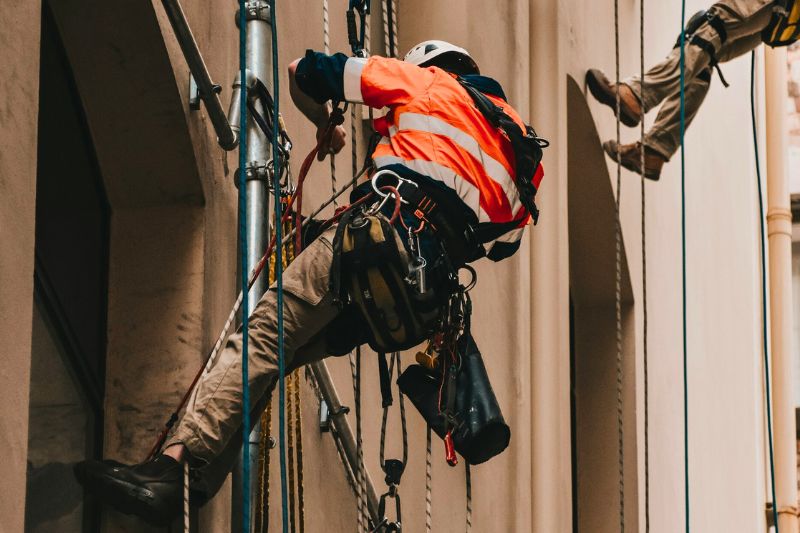
(C): Unsplash
The latest workplace safety reports for 2026 reveal a staggering increase in health hazards for outdoor migrant labour across global construction and agricultural corridors. The findings published by the International Labour Organization show that 71 percent of the total workforce in the world is subjected to severe thermal conditions, and the rate of heat-related injuries is highest among migrant populations. These people tend to have no legal safeguards or language assistance to report hazardous situations. migrant workers face unprecedented safety risks abroad due to overlapping crises like extreme heatwaves, escalating geopolitical conflicts With the changing climate trends, the requirement of strong, obligatory thermal-reducing measures has turned into the epicenter of global labor rights activists and the state policy change.
Analyzing Workplace Safety Reports for 2026
The current data within recent workplace safety reports underscores a “cocktail” of hazards, including UV radiation and air pollution, which disproportionately affect those in temporary or seasonal roles. It is postulated by the experts that unless some action is taken to curb it, the prevalence of occupational illnesses, including chronic kidney disease in the employees of arid areas, will increase by 15 percent by the year 2030. The documents are a strong warning that industries should use automated monitoring and give sufficient shade and hydration breaks in order to prevent unnecessary deaths.
Protecting Outdoor Migrant Labour in Extreme Conditions
To safeguard outdoor migrant labour, the reports call for the universal adoption of social protection floors. These involve the need to make health insurance and injury compensation affordable irrespective of the residence status. Employers can anticipate and change shifts by implementing real-time AI sensors to monitor the amount of heat in the environment. This is not only ethical requirement but a financial necessity because the productivity loss caused by heat is an estimated billions a year in losses to the global economy, unless the climate is managed.
Read more: Women Migrants in Domestic Work: The Struggle for Safety and Recognition
Disclaimer: Stay informed on human rights and the real stories behind laws and global decisions. Follow updates on labour rights and everyday workplace realities. Learn about the experiences of migrant workers, and explore thoughtful conversations on work-life balance and fair, humane ways of working.