Wrighter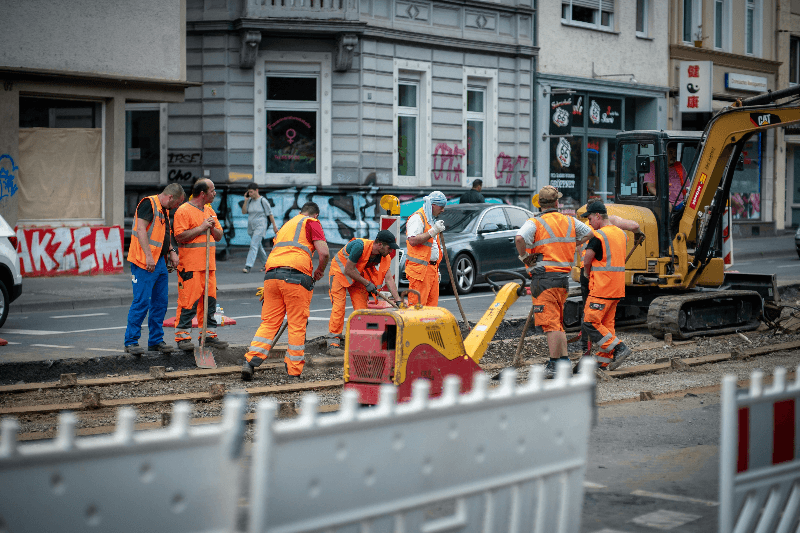
(C): Unsplash
Last updated on September 18th, 2025 at 01:34 pm
Walk past a building site before noon and the sounds hit first. Steel rods clink against concrete. Sparks spit from a welding gun. Almost every worker on the ground is male.
The pattern repeats inside server rooms, oil rigs, and underground transport tunnels. As 2025 draws closer, some jobs still remain stubbornly male-dominated. At the same time, demand for these roles keeps climbing.
The debate often turns to the 10 rarest jobs in the world or even the top 10 worst jobs in the world. But the truth is, the jobs that employ the largest male workforces are not hidden or unusual. They’re in plain view, running daily life, and still holding on to an old imbalance.
Male-Dominated Careers and Growth Outlook
| Career | Current Gender Ratio | 2025 Growth Outlook | Key Driver |
| Civil and Infrastructure Engineers | 82% male | Strong | Global infrastructure spending |
| Skilled Construction Workers | 91% male | High | Housing demand, renewable projects |
| Renewable Energy Technicians | 85% male | Fastest-growing | Solar, wind expansion |
| Software Developers & AI Specialists | 78% male | Strong | AI integration, digital platforms |
| Cybersecurity Experts | 79% male | Very strong | Rising cyberattacks |
| Data Scientists and Analysts | 72% male | Strong | Big data, AI growth |
| Mechanical and Electrical Engineers | 84% male | Steady | Manufacturing, transport, electrification |
| Heavy Machinery and Field Technicians | 89% male | Stable but critical | Mining, logistics, oil, resource extraction |
| Project Managers in Construction | 80% male | Strong | Infrastructure and green building |
| Manufacturing Engineers & Maintenance Specialists | 83% male | Solid | Reshoring, advanced factories |
10 Male-Dominated Careers to Watch Out
Demand is steady. Some jobs are booming. But the gender split is still obvious.
1. Civil and Infrastructure Engineers
Think of new bridges stretching over rivers or metro tunnels dug beneath crowded cities. Engineers stand at the centre of it. Most are men. The fieldwork is heavy, hours long, and classrooms in engineering colleges still fill mostly with male students.
2. Skilled Construction Workers (Electricians, Welders, Plumbers)
Construction sites carry the smell of sawdust and wet cement. Welders crouch on beams, electricians string wires in half-built rooms, plumbers twist pipes under dim lights. Nine out of ten are men. The pipeline rarely changes, despite demand rising each year.
3. Renewable Energy Technicians (Solar & Wind)
Wind turbines groan against the breeze, solar farms bake under 40-degree heat. Technicians strap on safety harnesses and climb. These jobs are growing faster than nearly any other. Yet the conditions, the climbs, the distances — most workers are men.
4. Software Developers and AI Specialists
Office cubicles glow blue long past midnight. Code scrolls endlessly across screens. Developers race deadlines on banking systems, medical platforms, or AI chatbots. Despite remote options, men still dominate this workforce. Initiatives to shift the balance exist, but change crawls.
5. Cybersecurity Experts
A server alarm blares at 2 a.m. Hackers push through firewalls, and someone on call scrambles to patch the breach. Cybersecurity is relentless. It pays well, demand is global, but the workforce is still male-heavy. Years of male-led tech training feed the imbalance.
6. Data Scientists and Analysts
Every online purchase, GPS ping, or card swipe gets recorded somewhere. Data scientists parse that endless stream into patterns. Most are men, since math and statistics courses still enroll fewer women. Offices keep searching for balance, but pipelines remain skewed.
7. Mechanical and Electrical Engineers
Factories thrum with noise, motors whir, sparks jump from testing rigs. Mechanical and electrical engineers fix and refine. It’s skilled work, deeply technical, and tied to transport, power, and production. Yet men crowd the rosters, a pattern set decades ago.
8. Heavy Machinery and Field Technicians
Bulldozers grind in dust. Oil rigs rock under rough seas. Mining pits echo with machinery louder than a train station. Technicians keep these systems alive. Work is hard, dirty, and isolating. Women rarely enter, so men fill the gap.
9. Project Managers in Construction
A manager walks through scaffolds, clipboard in hand, shouting instructions over the buzz of drills. They keep projects on time and within cost. The majority are men, since most climb into management from the trades already packed with male workers.
10. Manufacturing Engineers and Maintenance Specialists
Factories smell of hot oil and metal shavings. When a belt jams, maintenance staff rush in. When robots stall, engineers troubleshoot. These roles are in demand as industries return production home. But the factory floor remains mostly male in every corner.
Shifts That Could Redefine the Workforce
Automation lightens physical strain. Robotics makes dangerous jobs less punishing. Training programs nudge more women toward technical paths. Yet habits linger. The imbalance is visible on almost every site, lab, and shop floor. By 2025, these careers will still be called male-dominated, though cracks are forming in the old mold.
FAQs
Why do male-dominated careers still exist in 2025?
They exist because training routes, site culture, and long-standing traditions continue to feed more men into these roles.
Which of these jobs is growing fastest worldwide?
Renewable energy technician roles are expanding the quickest, fueled by the surge in solar and wind projects.
Are male-dominated jobs always higher paid?
Not always. Engineers and data scientists often earn well, but many construction roles vary in pay depending on region.
Can women break into these fields today?
Yes. Programs, scholarships, and automation are making entry easier, but progress still moves slowly.
Which career could reach balance first by 2030?
Technology sectors like software and cybersecurity have the best chance, since online training and flexible work widen entry.