Shamini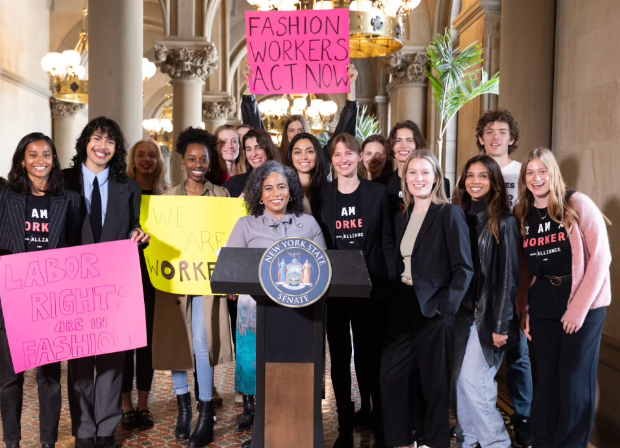
(C) Wigdor LLP
New York Fashion Workers Act (NYS Labor Law, Article 36) will come into effect June 19, 2025. This legislation makes overall significant changes to ensure protections for fashion workers, especially fashion models. This legislation is historic as it sets specific obligations for model management companies, model management groups, and clients and provides fashion models with rights related to employment practices and online presence.
Implementation Timeline
- June 19, 2025: All provisions (aside from registration) go into effect.
- December 21, 2025: Registration requirements go into effect for model management companies and groups.
Who Does It Apply To?
Models: Those providing modeling services, which includes photo shoots, runways, social media, etc.
Clients: Those entering into contracts and managing work completed by models.
Model Management Companies/Groups: Those managing, booking and/or counseling models.
Principles for Model Management
Act in good faith and model welfare and safety must come first.
Provide plain English deal memos before they begin working.
Obtain written consent for nudity and digital replicas.
Provide final booking agreements back to models post job.
Disclose financial interests and itemized deductions.
Prohibit excessive fees, coercive agreements and that digital clones can’t be made without consent.
Client responsibilities
Overtime pay after eight hours in 24.
Must allow for a mandatory 30 minute break for longer jobs.
Require locations to have harassment policies and be safe.
Liability for insurance and for escort allowances.
Registration Rules (Starting Dec. 21, 2025)
You must display your physical and digital Certificate of Registration.
You must include your registration number in contracts and promotional material.
You must register with the NYS Department of Labor.
The Act is intended to enhance ethical standards and accountability in a traditionally unregulated section of the fashion industry. Non-compliance can become a problem with legal and reputational consequences, early alignment is very important for all relevant stakeholders.