The Workers Rights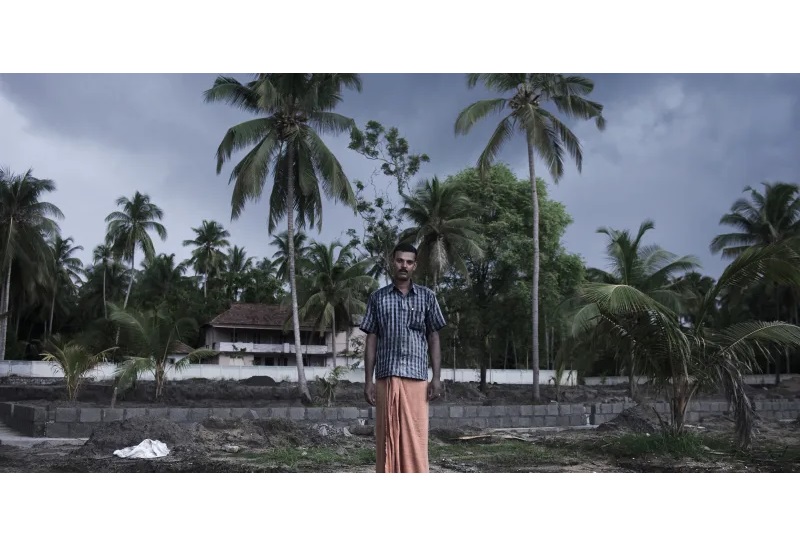
the hidden cost of migrant labor
Workers from other nations frequently emigrate for better employment prospects and living situations. But for many migrant labourers from Nepal, like Raj Kumar Rai, the quest for a better life has come with a heavy price. The case study of Rai is examined in this article, which also discusses the rising prevalence of chronic kidney disease (CKD) among migrant workers who have just returned from the Gulf and Southeast Asia. The article also highlights the importance of heat exposure and dehydration as significant causes of this grave health problem.
The Rising Prevalence of CKD among Migrant Workers
Around 1,500 young people from Nepal depart the nation each year to work abroad, frequently in the Gulf and Malaysia. A growing percentage of these migratory workers come home with CKD, an ailment usually found in older people, after leaving in excellent health. In a study undertaken by researchers from Johns Hopkins University, La Isla Network, and the Nepal Development Society, it was discovered that 31% of the patients receiving treatment at two kidney dialysis clinics in Nepal were migrant workers who had returned home, with the majority coming from the Gulf, Malaysia, and India. What’s more alarming is that half of these patients were under 40, and many spoke of having highly demanding jobs and feeling exhausted.
The Impact of Heat and Dehydration
Long-term heat exposure and frequent dehydration have been highlighted by experts as critical contributors to the development of CKD in migrant workers. The extreme heat encountered in places like Qatar and the problematic working conditions has made the workplace dangerous for workers. Inadequate access to drinking water, short pauses, and an excessive workload further increase the hazards. Heat stress-driven CKD, reported in the Gulf of Mexico, Central America, and now Southeast Asia, emphasises the urgent need to address how the environment and working conditions affect migrant workers’ health.
Keep Reading


The Dangers of Working in Extreme Heat
The risks linked with working in the Gulf are growing, according to a climate data analysis commissioned by the human rights organisation FairSquare. Given that pre-industrial temperature levels are expected to be exceeded globally during the next five years, most of the Gulf might see 160 days per year with temperatures above 40 degrees Celsius. The number of such sweltering days would climb to 180 with a further increase of 3 degrees Celsius. According to the analysis, these extreme weather conditions will result in excess mortality, with migrant workers suffering disproportionate consequences due to their increased exposure to intense heat.
Case Study: The Devastating Consequences of Unawareness: Raj Kumar Rai’s Story
A 36-year-old scaffolder named Raj Kumar Rai set out on a four-year adventure to work as a migrant worker in Qatar, Saudi Arabia, and Dubai. Unaware of CKD’s dangers, Rai devoted himself to his career to better his financial circumstances. He had no idea how this choice would affect the rest of his life.
After arriving in Nepal, Rai’s health swiftly declined. CKD had negatively impacted his health, leaving him physically and financially weaker. He now has to deal with the unpleasant realities of an illness about which he was ignorant as a migrant worker. Rai regrets his migration terribly because it has damaged his physical and financial well-being.
Rai is dealing with significant financial difficulties as he fights CKD. Although dialysis is free in Nepal, he needs to find about 20,000 rupees (£120) every month to pay for the medications he needs for his treatment. A suitable match has not been located within Rai’s family, and kidney transplants are only approved between family members. These restrictions worsen his challenges, reducing his prospects of recovery.
Due to his poor health, Rai can no longer work and now depends on his brother, who is still employed in Qatar, for financial support. Thinking about what might happen if his sibling met the same fate makes him feel the weight of uncertainty and fear.
The situation of Rai demonstrates the necessity for increasing awareness of the dangers and difficulties faced by migrant workers, particularly about CKD. The critical importance of education in ensuring that people are knowledgeable about the potential health risks connected to particular working situations overseas is stressed by medical specialists in Nepal. By correcting this ignorance, it will be feasible to stop other migrant workers from experiencing the same problems and lessen the adverse effects they endure.
Mitigating Measures and Current Limitations
Governments throughout the Gulf have put in place laws making it illegal to work outside in the summer during the hottest hours of the day. Experts contend that these prohibitions are overly straightforward fixes, nevertheless. Adopting a more thorough and risk-based strategy that considers environmental, occupational, and individual factors is necessary. Studies with farm workers in Central America have demonstrated that mandatory breaks in the shade, availability of drinking water, and strict enforcement of these measures have shown promising outcomes in lowering heat-related health hazards among labourers. However, in nations like Qatar, the unequal power relations between employers and employees provide difficulties in successfully implementing such measures.
The rising incidence of CKD among Nepali migrant workers underscores the urgent need for action to alleviate the adverse effects of heat and dehydration on their health. These workers’ risks are only anticipated to increase as global temperatures rise. Governments, businesses, and international organisations must work together to create and implement comprehensive plans that put migrant workers’ welfare first. It is possible to reduce the hidden cost of migrant labour and stop the decline in workers’ health and standard of living by increasing awareness, putting preventive measures in place, and ensuring that safe working conditions are provided.