
 The Workers Rights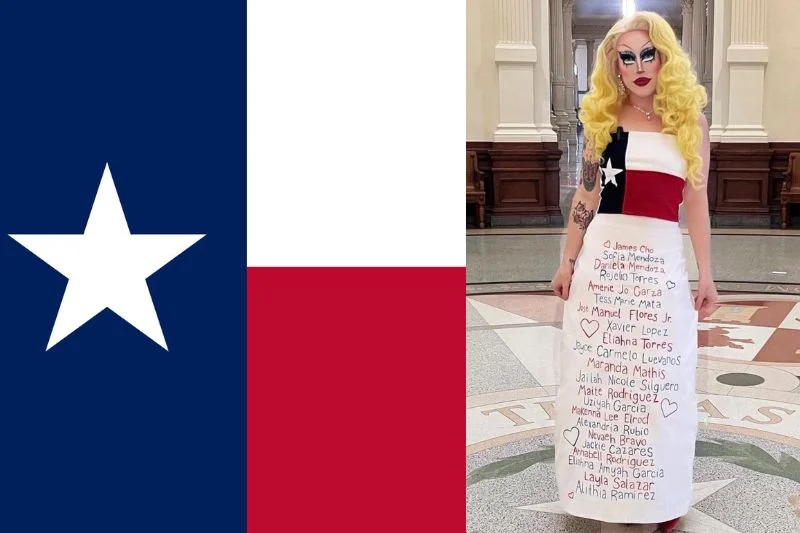
Senate Bill 12, the Texas drag ban, is once again ruled unconstitutional. In August 2026, a federal district court again ruled that SB 12’s bans on drag performances are unconstitutional, again preventing enforcement. But what about the people who lost their jobs: what about them? The ruling is a legal victory for drag artists in Texas who have not been able to book shows for the last two years or more, artists who turned down gigs—even those without an event- and those who watched venues cancel shows because of fear.
Quick Facts: Texas SB 12 and Drag Performers
| Detail | What You Need to Know |
| What is SB 12? | There is a law in Texas enacted in 2023 that bans “sexually oriented” visual performances such as drag shows. |
| During which part of the day was it first banned? | Some clauses of the 2023 statute have been found unconstitutional by a federal district court. |
| For how long was it enforced? | It has been slated to remain in force until a federal appeals court overturns its enforcement. |
| Current status (August 2026) | Struck down again – court reaffirmed SB 12 is unconstitutional; enforcement blocked. |
| Who challenged it? | The Drag Kings & Queens and Entertainment Companies formed a coalition. |
| Why was it declared unconstitutional? | The law was too broad and too general — could outlaw cheerleading, musicals, and karaoke! |
| Will performers be able to recover the loss of income? | Not necessarily; there are legal remedies, although they can be complicated. |
| Is the fight over? | Maybe not — the state could appeal again. |
What SB 12 Actually Did to Performers
It’s important to go beyond the courtroom action and look at how SB 12 will actually affect performers in the real world.
In 2023, SB 12 was passed, which added civil and criminal liability for venues and performers offering “sexually oriented” presentations where minors can access the venue. The definitions were general: drag shows, even family-friendly ones, were in a legal grey zone. When it comes to risk-averse businesses, venues reacted as they typically do: cancelled bookings.
This was the case for Texas drag racers:
- Gig income lost due to cancelled shows, refused bookings and venues not willing to take a legal risk.
- Lower visibility – less public performance opportunities and smaller audiences, and consequently less social media reach —
- Reputational and career setbacks, two-plus years of reduced opportunities to work in an industry where momentum counts.
- Emotional stress – many drag artists are on a gig-to-gig basis and don’t have an employment safety net.
In fact, the Texas drag show restrictions did their job; they effectively suppressed free expression before the law was enforced. But the Texas drag show restrictions accomplished this goal before the law’s enforcement — indeed, before the court determined it was an unconstitutional overreach.
Before vs. After SB 12: What Changed for Texas Drag Artists
| Area | Before SB 12 (Pre-2023) | During SB 12 Uncertainty (2023–2026) |
| Bookings | Open market (venues that are chosen without a booking) | Most cancellations; self-censorship of venues |
| Venue willingness | High — drag shows in bars, festivals and pride events | Medium — fear of civil and/or criminal penalties |
| Performer income | Familiar to seasoned artists | Unpredictable; many lost a lot of income. |
| Public performances | Accessible and frequent | Scaled back dramatically |
| Legal exposure | None for performers | Unclear — vague law resulted in personal liability risk. |
| Pride and community events. | Fully operational | Organisers reluctant. |
Can Texas Drag Performers Recover Lost Income?
This is where things become a bit tricky — and where legal avenues for Texas drag performers come into play.
The quick response: not necessarily. No bank note for lost earnings will be issued when a law is declared unconstitutional. But there are some ways for performers to explore.
1. Section 1983 Civil Rights Claims. Under federal law, people who have been deprived of their constitutional rights by the activity of the state can sue for damages under the 1983 Civil Rights Claims. The standard for establishing a claim is high — especially against government officials — but entertainment businesses and entertainers who were knowingly, and actually, put at a financial disadvantage may have a viable claim.
2. Start documenting your losses now. If you are a performer or entertainment business that has been affected by SB 12 enforcement, you should begin to create a paper trail as soon as possible: cancelled contracts, lost bookings, lost venue relationships, reduced income, etc. When it comes to a future lawsuit, documentation is key.
3. Form groups for mutual defense: The first lawsuits against SB 12 were filed by entertainment companies and solo artists. If there is a continuing stream of appeals and/or new legal issues from the legislature, form groups for mutual defense.
4. Gig Workers Are Not Provided with Employment Rights. Most drag performers are independent contractors and not employees. This means that regular employment rights (right to terminate employment, unemployment compensation, etc.) do not apply. In Texas, performer employment rights of gig-based artists are a major legal lacuna.
Is the Texas Drag Ban Actually Over?
Enforcement is barred for the second time in law. But the Texas drag ban saga might not be over.
The state could file an appeal to the Fifth Circuit Court of Appeals, the same court that gave SB 12 the briefest chance to come into effect earlier in 2026. With the legal and political climate that we have, it is a real possibility that the case will be appealed again. The verdicts in SB 12 Texas cases have come out mixed so far — and that doesn’t mean the performers and venues are in any less danger.
The difference this time is the level of detailed analysis in the court. The ruling was a bit more detailed — it concluded that the definitions in SB 12 were so broad they could criminalise mainstream entertainment, and not just drag, which makes it less likely that the state will prevail in an appeal.
What Texas Drag Performers Should Do Right Now
- Keep records of all losses of income, sales, bookings, and communications received from venues in relation to SB 12
- Reach out to local Texas LGBTQ legal advocacy groups for advice specific to your case.
- Be familiar with your contracts — if venues cancel on you, saying there is a legal risk, you might still want to have the contract.
- Be informed — keep an eye out for any state appeal and be ready to back a legal challenge should SB 12 re-emerge.
- Reopen venues – law is blocked; venues that cancelled out of caution are now able to rebook legally;
FAQs
Can I sue Texas for lost income as a drag performer?
Under certain civil rights laws (it’s complicated). Consult a civil rights lawyer who is well-versed in First Amendment law.
Is the ruling statewide or limited to certain cases only?
Yes. The court ruled against the Texas Attorney General’s enforcement of SB 12 in the entire state.
In Texas, is it now legal to have drag shows that are family-friendly?
Yes — but, as with any new legislation to limit performances, performers should keep an eye out.
If the venue still refuses to book drag shows, what happens to them?
Refusals do not constitute illegal discrimination based on a private venue’s choice of a venue. If there are discriminatory policies related to refusal, however, there may be other legal options available.
Explore the latest AI and workplace trends.
Which AI Model Leads Today?
Find the latest AI performance comparison.
Will AI Replace More Jobs?
Explore how automation affects job security.
Are AI Agents Joining Workplaces?
Uncover what the future of AI looks like.
Which AI Skills Are In Demand?
Check out the skills employers want.
Why Are Factory Layoffs Rising?
See which industries face the biggest cuts.






Recent Comments