Kritika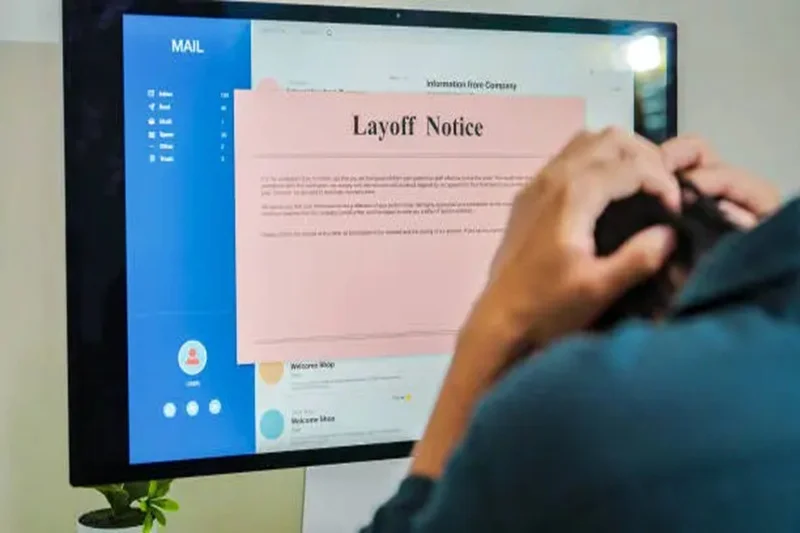
(C): Unsplash
The numbers are very alarming indeed. According to Layoffs.fyi, more than 92,000 tech industry workers have been laid off in the five months since the beginning of the year. In fact, the job cuts of Tech Layoffs 2026 cannot be said to be short-lived, since they are an ongoing structural phenomenon affecting the digital economy badly.
Whether it’s the Silicon Valley juggernauts or mid-tier software companies, AI disruption in the workplace is driving job losses in tech at a swift rate akin to the dot-com era. A question that every techie should ask is whether his/her job is safe or not?
What keeps Meta and Microsoft cutting?
Despite the unprecedented revenues and valuations, big tech continues to lay off. As part of the measures of 2026, the job cuts have meant a reduction of about 10% in Meta’s workforce, including the Reality Labs and non-AI product divisions. Microsoft has been reversing itself, with a voluntary retirement program as well as staff cuts in the ranks of low-level managers and mature products.
It’s not due to a lack of funds. It’s a redirection that is strategic.
Both companies are pouring billions into developing their AI systems, from building custom hardware for their models to installing GPUs on clusters to building data centres. It has to come from somewhere, and for now, it’s taking its form in headcount. The driving force of the AI-induced job losses in tech restructuring 2026 is the efficiency gains achieved by replacing people with machines.
What used to be the “Over-Hiring” excuse is over
Unfortunately this story is no longer true as Big Tech has been cutting back these past few years, and it’s all because of the excessive hiring during the pandemic. While most over-hiring adjustments were made in 2022-2023, there is something structurally wrong with the Tech Layoffs in 2026. They represent a structural problem and no more.
This has been demonstrated in recent layoffs in both Amazon and Oracle. Jobs lost are not due to any short-term considerations, but a result of the tech recession fears cycle. Now it’s corporate restructuring 2026, and it’s a new idea of implementing AI to improve efficiency without eliminating positions, but specific jobs.
Who is at Greatest Risk?
AI automation positions are fueling the automation of some tech roles. These are the most susceptible jobs in the tech job market 2026:
- Mediocre software developers – tasks are increasingly being handled by an AI copilot.
- IT Support and Help Desk are some of the best roles to be automated using AI.
- Project managers working in the mid-tier role require less coordination and automation with workflows.
- The manual testers who do QA testing are keen to get on board the automated testing pipeline.
- Data Entry and Reporting – AI can generate reports faster and with lower costs.
Not only at the entry level, but more and more, the tech industry is suffering from job losses in the white-collar sector. Now, the debate over AI and jobs has become a mid-career discussion – for the first time, individual contributors are getting the discussion about AI jobs.
Where is Job Security Stronger?
May not all of the Tech Layoffs in 2026 be doom for everyone? There are some positions that are still fairly secure — and sought after:
- AI/ML tools are being developed by engineers and researchers that will replace humans.
- Experts specialising in data infrastructure collaborate with the various parts of the AI pipeline.
- With the rise of AI as a tool for attackers, security experts need to be prepared to defend against any new attack vectors.
- Product managers who have AI expertise are skilled in translating the business needs into the AI system.
- Engineers who specialise in areas where AI is not reliable.
The common thread in “recession-proof” tech jobs is that they are in either AI or managing AI, or in jobs where they’re needed to make decisions.
How to Survive — and Thrive — in the AI Era
The time has come to adopt a new playbook for tech careers 2026. In this period of the tech industry’s uncertainty, here are a few ways to protect yourself:
- Increase and do not decrease your use of AI skills – Don’t underestimate the power of AI tools, use them to become more productive, not more fearful.
- Review the tasks – If they can be automated, be sure to identify what portion of your job would be suited to be automated by AI.
- Enhance AI fluency – All jobs can use AI, even if they are not technical in nature.
- Create a tangible portfolio – The difference in the tech hiring freeze world is key!
- Explore AI careers – Transition to AI deployment, governance and ethics roles.
It’s not about running faster than AI; it’s about running faster with AI that machines can’t run alone.
The Bottom Line
Tech Layoffs 2026 is the biggest restructuring of the U.S. tech labour force in half a century. The future of tech jobs is now more fragile than ever, as other firms like Meta, Microsoft, Amazon and Oracle invest in AI and cut jobs as well—92,000 of them so far.
But it’s not a given when there’s uncertainty. The jobs of tomorrow are for the people who are prepared to do work in the future, have the required skill set for the AI age, and brand themselves to become an asset in the automated world. Not only am I pondering what makes for a safe career for a technologist, but also what steps I’m taking now to make that happen.
Track layoffs, trends, and tech shifts.
Why Are Tech Layoffs Rising Fast?
Uncover what’s driving job cuts in 2026.
What’s Behind January Layoff Surge?
Find out key reasons behind the wave.
Are Workers Ignored During Layoffs?
Look into consultation gaps and concerns.
How Is India IT Industry Changing?
Explore layoffs and hiring trend shifts.
What’s Shaping Silicon Valley Hiring?
See trends driving the 2025 talent shift.