abi sri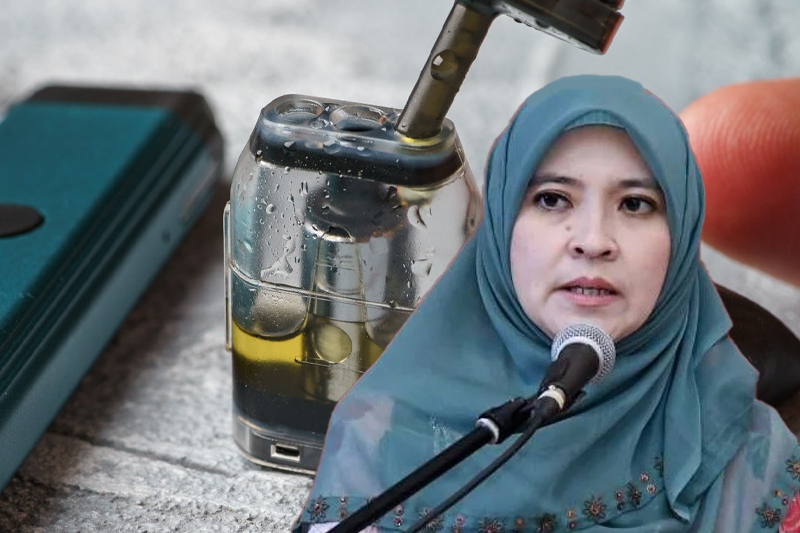
suhakam children’s commissioner said liquid nicotine delisting violates ‘spirit’ of child act
Farah Nini Dusuki, the Children’s Commissioner for Suhakam, asserts that the declassification of liquid nicotine violates the intent of the Child Act and that Malaysia is required by the UN CRC to take preventive health care measures to safeguard a child’s right to health.
The declassification of liquid nicotine as a scheduled poison, which makes it legal for minors to use nicotine-containing e-cigarettes, violates the “spirit” of the Child Act 2001, according to the children’s commissioner of the Malaysian Human Rights Commission (Suhakam).
Farah Nini Dusuki, the Suhakam Children’s Commissioner, cited the preamble of the Child Act, which acknowledges that children need “special safeguards, care, and assistance.” Farah Nini Dusuki is a senior lecturer at Universiti Malaya’s law faculty with over three decades of experience in human rights and child law.
“Protection from a smoke and nicotine-infested environment” was among the things she mentioned.
In a statement issued today, Farah said, “The State has to ensure that children are not exposed to anything that may endanger their physical and emotional health.”
“Despite a wealth of evidence linking nicotine and the toxic ingredients in e-cigarettes to damage to the developing brain, the government’s actions put Malaysian children at a higher risk of developing a nicotine addiction.”
Keep Reading


Farah drew attention to Article 24 of the United Nations Convention on the Rights of the Child 1989 (CRC), which protects a child’s right to the “highest attainable standard of health” and which Malaysia has ratified.
According to Section 2(f) of the same article, Malaysia is required to put preventive health care measures in place to advance and safeguard this right, she said.
Farah noted that by removing liquid and gel nicotine from the Poisons List, Section 17 of the Poisons Act of 1952, which forbids the sale of poisons to anyone under the age of 18 except for medical treatment, would no longer be in effect, potentially allowing the use of e-cigarettes and vape products with nicotine by those under the age of 18.
According to Farah, “The CC (Children’s Commissioner) recognizes the government’s efforts to reduce tobacco consumption by raising tobacco taxes, but this should not be confused with opening the floodgates to new users of nicotine-related products, especially children.
It is still uncertain whether taxing purchasers of e-cigarettes will bring in money and help the economy.
Additionally, the delisting of nicotine will increase lung-related illnesses and accidents, placing additional strain on the already overburdened public healthcare system and driving up healthcare costs. This directly conflicts with the Ministry of Health’s objective to reduce smoking rates from 40% to 15% by 2025.
Farah urged the unity government to continue efforts “as started by its predecessor” to create a smoke-free environment.
Neglecting this obligation will have long-term effects on children’s health and the environment, jeopardizing the idea of Malaysia Madani. This idea focuses on sustainable development, which includes not only social and environmental well-being but also economic factors.
In an order published last Friday, Health Minister Dr. Zaliha Mustafa overruled the unanimous decision of the Poisons Board to exclude liquid nicotine from regulation under the Poisons Act. After that, on April 1, an excise duty of 40 sen per ml of nicotine-containing e-liquids went into effect.
There are currently no restrictions on the sale of vape or nicotine-containing e-cigarettes to people under the age of 18 or on the ingredients, nicotine content, or volume of e-liquids that can be purchased. There are also no labeling requirements, warnings, or restrictions on advertising, promotion, or sponsorship.