abi sri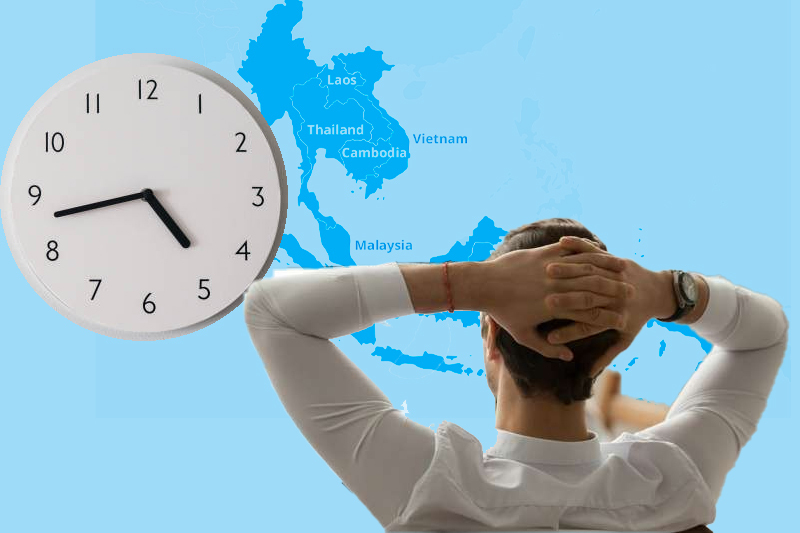
south and east asia have the highest weekly work hours average
According to the most recent findings of the International Labor Organization (ILO), the average number of hours worked during the course of a week were found to be at their highest in Asia and the Pacific, particularly in south and east Asia, while they were found to be at their lowest in North America, Europe, and central Asia, particularly in northern, southern, and western Europe.
According to the paper titled Working Time and Work Life Balance Around the World, emerging countries such as India, China, and Brazil have substantially longer working hours than other countries do. However, Brazil has shown a decreasing trend in the amount of time spent working that began in the 1970s.
In 2019, the wholesale and retail trades, transport and communications, and manufacturing all had the distinction of having the industries with the longest average number of hours worked each week.
Related Posts


Agriculture, education, and the healthcare industry all had the lowest average number of hours worked each week. According to the analysis, although it is very improbable, it is quite possible that the tremendous demands placed on the health services sector as a result of the COVID-19 pandemic would have significantly increased the average number of hours worked in that sector.
Plant and machine operators and assemblers worked an average of 48.2 hours per week, making them the primary occupational group with the greatest average hours of labor. This was followed by employees in service and sales, who worked an average of 47.0 hours per week. On the other hand, employees in professional jobs as well as those in primary occupations, such as skilled agricultural laborers, put in an average of 40.2 hours of work per week.
According to the report’s findings, economies, businesses, and workers can all benefit from reduced working hours and more flexible working time arrangements, such as those implemented during the COVID-19 crisis. These changes can also pave the way for a better and more healthy work-life balance.