khushboo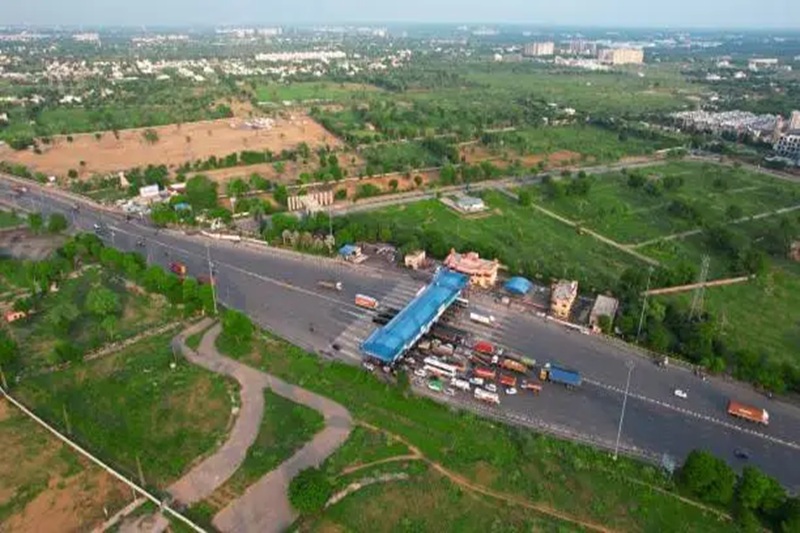
nhai peak hour ban 2026
Last updated on May 20th, 2026 at 02:37 pm
In view of rising temperatures across the nation, the National Highways Authority of India (NHAI) has taken some drastic measures to ensure safety for its laborers. In this regard, NHAI announced the NHAI Peak Hour Ban on Friday, April 29, 2026, which includes several guidelines that are expected to be complied with immediately. Here’s all you need to know.
What’s the NHAI Peak-Hour Ban?
The NHAI directive to ban peak-hour work is a directive to reduce or restrict high-intensity labour on national highway works during peak hours. This order mandates contractors, concessionaires and toll agencies to implement flexible working hours to ban peak-hour work (12:00 PM to 4:00 PM). High-heat operations such as asphalt laying, welding and other such activities have to be done in the early hours or late evenings.
The NHAI Peak-Hour Ban also extends to toll booth workers, who should not be working outside between 11:00 AM and 3:00 PM during the peak summer months.
What is the Reason for NHAI’s Ban?
Heat waves have taken place in the summer season of the year 2026 in India. This has adversely affected the Indian construction workers as they are working under the extreme heat conditions that cause heat-related illnesses such as dehydration, heat stroke, and heat exhaustion. The National Highways Authority of India (NHAI) swiftly put in place the NHAI Peak-Hour Ban and a raft of other safety measures for workers after the Indian government issued guidelines for worker safety during the heatwave.
Protocols of NHAI Heatwave Advisory
1. Work Timing Restrictions
The NHAI Peak-Hour Ban is based on the mandatory ban of hard construction between 12 PM and 4 PM. The highway ban on working at peak hours is to prevent injury from working in the sun.
2. Mandatory Welfare Measures
The guidelines given to workers this summer by NHAI include (in addition to timings):
- Cooling Breaks: Short breaks at shorter intervals in extreme hot weather.
- Shade Rooms: Temporary, shaded rooms with good ventilation at all sites.
- Water and Salt: Sites now need to ensure that there is constant access to cool, safe drinking water, Oral Rehydration Salts (ORS) and glucose.
- Acclimatisation of Workers: All new and returning workers need to be acclimatised to hard work for 3-5 days.
- Lightweight Vests: High-visibility but lightweight (cotton) vests should be worn.
3. Toll Plaza and Emergency Protocols
The updated guidelines for the safety of construction workers during the heatwave are:
Cool rooms will be available in the toll booths and offices.
First-Aid (FA) and Patrol Ambulances (PA) should have ice packs, water and IV fluids.
Route Patrol Units (RPUs) perform more patrols to assist all those affected by the heat.
Implementation and Compliance
The NHAI Peak-hour Ban is not a recommendation – it’s mandatory. It is mandatory for the contractors, concessionaires and toll agencies to carry out these measures. NHAI site inspectors will conduct routine inspections of the site and toll plazas for compliance with the occupational safety rules and regulations during the peak hour ban.
The contractors, concessionaires and toll agencies can attract fines and suspension of works for non-compliance with the Indian heatwave labour law rules and NHAI’s directives.
Work rules changing fast – don’t get caught off guard!
How is UK sick pay changing now?
Explore what the new rule means.
Are zero-hour contracts exploiting workers?
Discover your rights and protections.
Will menstrual leave rules be enforced?
Check latest court push and updates.
What are notice period rules today?
Explore key employee and employer guidelines.
What rights do domestic workers have?
Discover wages, rules, and real issues.
Why This is Important: Safety Rules in Extreme Heat
The NHAI Peak-Hour Ban is among the largest labour relief measures by the government during a heatwave recently. This is in response to the demand for improved labour laws in extreme temperatures in India, with road construction workers – who are often migrant labourers with limited access to quality health care – being most affected during the summer months.
With its inspection, amenities and timings, India is setting an example for other sectors in the country in maintaining workplace safety during a heatwave.