
 The Workers Rights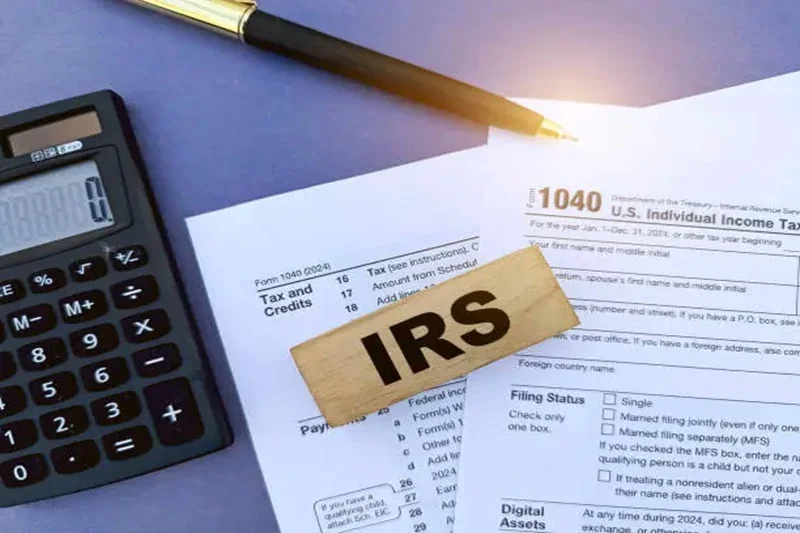
(C): Unsplash
It’s a relief you finally have your student loans forgiven, until the next tax season when an IRS Bill arrives. Most student loan forgiveness in 2026 will be considered income by the federal government since the tax exclusion for student loans expired during the pandemic. That could cause you to get slapped with a higher tax bracket without you even knowing, and thousands of dollars in unpaid debt. See why it happens and what you can do to not be caught off guard.
Quick Facts
| Question | Answer |
| Will student loan forgiveness be taxable in 2026? | Yes, for the majority of the Income-Driven Repayment (IDR) plans |
| Why the change? | The Tax exclusion in the American Rescue Plan has ended. |
| Key form to watch for | The Form 1099-C (Cancellation of Debt) |
| Tax-free exceptions | The following discharges will trigger a technical death of the loan: The following discharges will be considered a technical death of the loan: |
| Biggest risk | The bracket creep phenomenon is tax-pushing you into a higher tax bracket. |
| Best prevention tool | It is crucial to establish a liability early and save cash. |
Why You Could Get a Surprise IRS Bill
A temporary federal provision for a few years had balances on student loans forgiven not considered federal taxable income. This protection is now over. This means that for most borrowers who are eligible for loan forgiveness under the standard IDR plan, they will get a Form 1099-C, reporting the forgiven loan amount as income, and the IRS considers that income to be wages or salary.
There’s more to the real threat than just paying the taxes on the forgiven sum. The “big lump” of income is now in your taxable income and could move you into a higher tax bracket (not just the portion of the income that was forgiven — maybe the portion that you were already taxed on).
Taxable vs. Tax-Exempt Forgiveness: Know the Difference
| Forgiveness Type | Taxable? | Notes |
| Takes the standard IDR plan forgiveness.Accepts forgiveness of the standard IDR plan. | ✅ Yes | Subject to Federal (and possibly state) income tax |
| Public Service Loan Forgiveness (PSLF) | ❌ No | Remains fully tax-exempt |
| Discharge from the dead body.Relief from the corpse. | ❌ No | Tax-deductible under federal law |
| Discharge resulting from a permanent disability.Discharge for permanent disability. | ❌ No | Not subject to Federal taxation. |
| Forgiveness on Form 1099-C | ✅ Yes | The triggers that report taxable income are referred to as reportable taxable income. |
So, if you know the place to guide your forgiveness towards, you’ll know whether you need to plan for an IRS Bill in the first place.
How to Avoid the Tax Bomb
- Check to see if you are exempt from the forgiveness type. If you are eligible for PSLF or a disability/death discharge, you’re probably not liable to pay anything; don’t panic, ask first.
- Be aware in advance of your liability. A good rule of thumb is that if you expect to owe a percentage of your forgiven balance, you should multiply that expected amount by your effective tax rate to determine the likely amount that you will owe. Avoid the temptation to allocate that money towards the tax season; make sure you put it in a high-yield savings account before it happens.
- Make ¼ estimated payments. If you anticipate a significant forgiveness for the tax year, think about making estimated payments through IRS Direct Pay or Form 1040-ES, to prevent underpayment penalties.
- If you are unable to pay the debt in full, discuss IRS relief options. An Instalment Agreement or an Offer in Compromise might be solutions to handle an unforeseen balance without having to experience collection pressure right away.
FAQs
Will the tax forgiveness of student loans in 2026 be applied to all student loans?
The majority of forgiveness based on the IDR is considered taxable income. Discharges for PSLF, death and disability are exempt.
What is Form 1099-C? How did I get this form?
This is the form that your loan servicer will submit, reporting your forgiven balance as cancellation of debt income to the IRS.
Can Brackets Creep really raise my overall taxes?
Yes — if you put a big forgiveness into your income, that balance can push you into the higher tax bracket, as well as the forgiven balance.
If I can’t pay the tax bill, what should I do?
Payments can be made through an IRS Instalment Agreement or Offer in Compromise.
Key Takeaways
- Now that the tax exclusion is over, a sudden bill introducing the IRS on forgiven student loans is now a possibility.
- The forgiveness of the IDR is taxable; forgiveness for death, disability or PSLF is not taxable.
- The taxable income, which is the amount you’ve been forgiven, will be reported on a 1099-C
- The best way to defend yourself is to do a preliminary estimate of your taxes and save money.
- If your IRS Bill ends up being bigger than you were anticipating, there are IRS relief options available.
Stay ahead with the latest federal workforce and policy updates.
Could Federal Job Protections Change?
Find out how new civil service rules may affect workers.
Why Are NDAs Expanding Now?
Uncover what the proposed NDA push means for federal staff.
How Can You Claim Tax Refunds?
Check out the key steps for filing a federal tax return.
Who Gets New Training Support?
See how funding could help laid-off workers restart careers.
What’s Behind Federal Layoffs?
Dive into the major workforce reductions and their impact.






Recent Comments