abi sri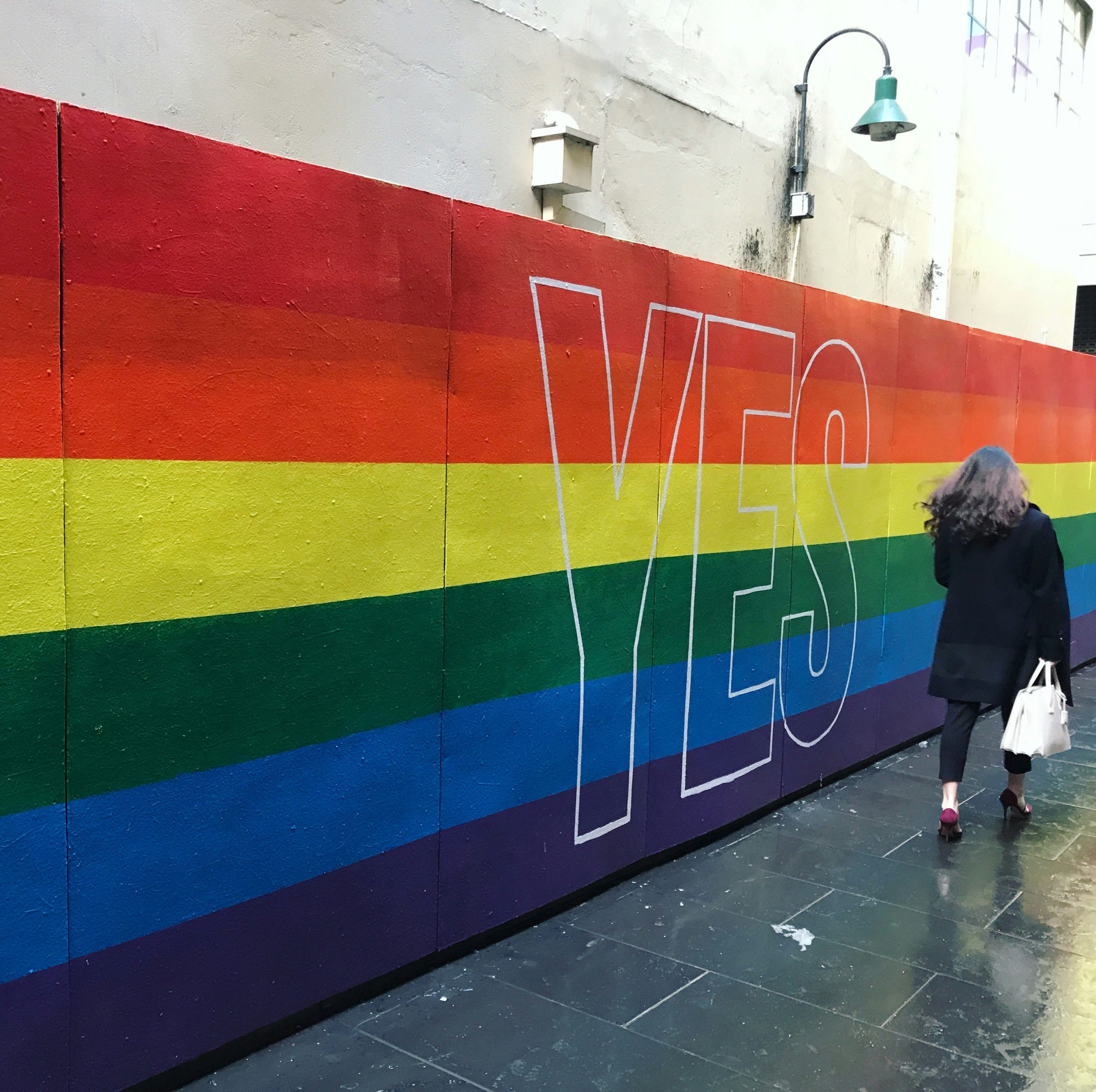
International Day Against Homophobia, Biphobia and Transphobia
People have been making good changes to protect the rights of LGBTQIA+ people. LGBTQIA+ means lesbian, gay, bisexual, transgender, queer, intersex, and asexual. But there is still more work that needs to be done. May 17th is the Day Against Homophobia, Transphobia and Biphobia. It is a time to look at what has been achieved and what challenges remain.
Laws Changing in a Good Way
Over time, society’s views and laws have changed to stop treating LGBTQIA+ identities as crimes and to protect their rights. Since 2019, 11 countries have made same-sex marriage legal. And since 2017, 13 countries have stopped making it illegal for same-sex couples to be together. This progress shows more acceptance of LGBTQIA+ people’s basic human rights.
Big Groups Speaking Up
Important groups like the United Nations have been speaking up for LGBTQIA+ rights. They have called for HIV care that is sensitive to transgender people’s needs. They want to protect intersex people’s rights. They want to end discrimination against LGBTQIA+ people in healthcare. These efforts have given LGBTQIA+ communities more power. Healthcare is getting better at providing care without stigma.
Discrimination Still Very Common
Even with some good changes, many people are still mean to LGBTQIA+ people. LGBTQIA+ means lesbian, gay, bisexual, transgender, queer, intersex, and asexual. In lots of countries, it is against the rules for people of the same gender to be married or partners. Some very unfair countries even say LGBTQIA+ people can be killed just for being who they are.
Extra Challenges During Emergencies
When emergencies like natural disasters or wars happen, LGBTQIA+ individuals face even bigger difficulties. Discrimination and neglect can prevent them from getting shelter, disaster relief, and other critical resources they need. The inequalities they already face become even worse during crises, putting their lives at greater risk.
Call for Inclusive Rules Worldwide
For this Day, the United Nations group UNFPA is calling for LGBTQIA+ rights and sexual/reproductive health rights to be included in global rules for emergencies and climate change preparedness. The head of UNFPA says it’s wrong that LGBTQIA+ people still face severe discrimination. Their rights must be protected during conflicts and crises to truly “leave no one behind.”