khushboo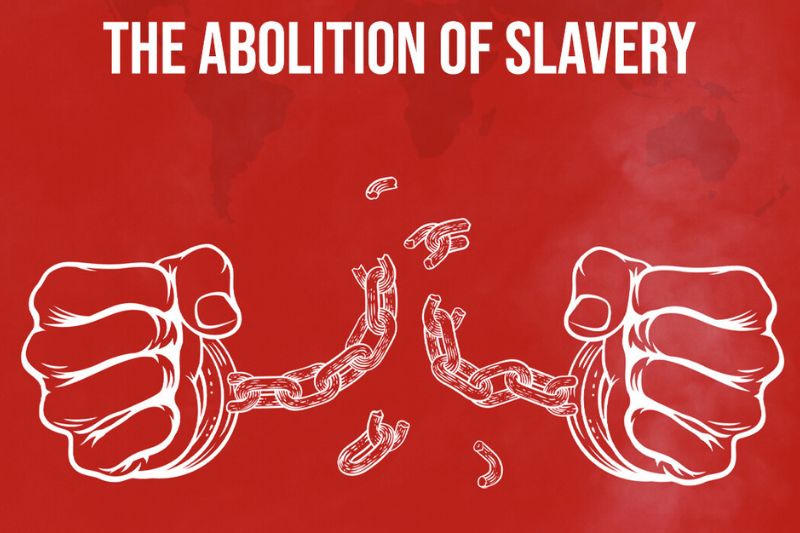
(C): X
The International Day for the Abolition of Slavery is observed every year on 2 December to highlight ongoing struggles against modern forms of slavery, from human trafficking and forced labour to child exploitation and forced marriage. The date is the moment when the UN Convention to Suppress the Traffic in Persons and the Exploitation of the Prostitution of Other was adopted as one of the significant milestones in the global human rights work. Yet, despite legal progress, an estimated tens of millions of people worldwide remain trapped in conditions of modern slavery, making this day a call to action for governments, employers, and citizens. Keep up with the movement. Follow our human rights news for stories that spotlight dignity, justice, and protection for all.
What This Day Commemorates
The celebration is not just about slavery practised in the past but rather on the modern day practice of slavery that includes: trafficking in persons, sexual exploitation, the harshest forms of child labour, forced recruitment of children in armed conflict, and forced or servile marriage. It calls nations to reinforce the legal systems, enhance victim identification and services and address the underlying factors, as poverty, discrimination, conflict, and low education levels, which predispose individuals to exploitation.
Modern Slavery: A Global Reality
According to UN system and ILO estimates cited in recent campaigns, more than 20–40 million women, men, and children are currently living in modern slavery conditions across all regions and sectors. Global supply chains, domestic work, agriculture, construction, and informal sectors are among the places where victims are frequently concealed and where there is a lack of oversight and accountability. The criminals who engage in forced labour make hundreds of billions of dollars a year on the illegal profits they make, making exploitation an exciting criminal enterprise.
How Countries and Organizations Respond
On the day, the UN, governments, the civil society, and survivor-led organizations conduct awareness campaigns, policy discussions, and campaigns which encourage governments to ratify and implement international tools, such as ILO conventions on forced labour. The latest UN declarations focus on centring the voices of the survivors, enhancing enforcement, and forming cross-border partnerships that break the network of trafficking and defend vulnerable populations.
Read Also: Lured and caught into slavery in Southeast Asia
What Individuals Can Do
People are encouraged to educate themselves about modern slavery, support ethical brands and anti-trafficking organizations, and advocate for stronger laws and protections. One of the most effective ways of contributing is by sending confirmed information, attending campaigns, and demanding institutions to audit supply chains.