khushboo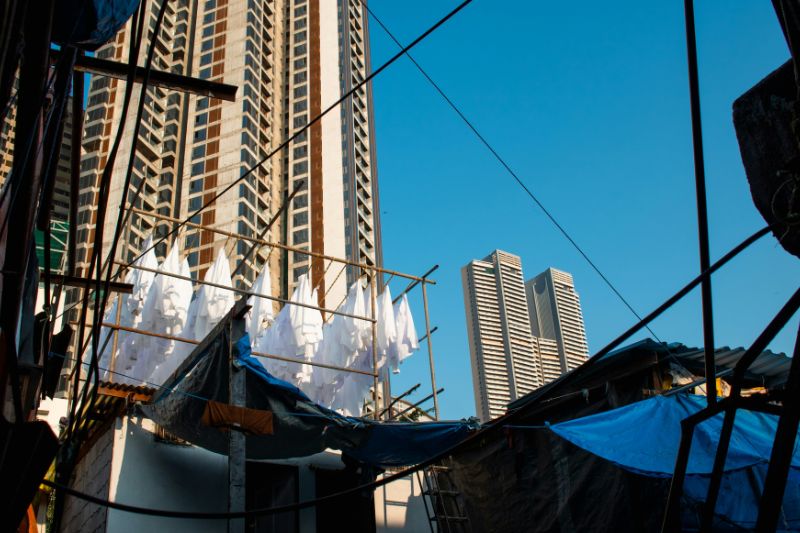
(C): Unsplash
Economic disparity is not only a gap in income or wealth; it is a powerful driver of human rights violations that shapes who gets access to basic services, justice, and political voice. The high rates of inequality hamper the possible developments on reducing poverty, social cohesion, and democratic stability, which leaves marginalized communities out of perspective. By laying hands on the majority of resources, privileges include the right to education, health, housing and decent employment, rather than being guaranteed. Growing global concern about inequality reflects a recognition that fair access to economic resources is essential for realizing universal human rights.
How Economic Disparity Undermines Basic Rights
Economic inequality directly affects access to core social rights like education, health, food, and housing. The poor families tend to have crowded schools, lack of good health systems and unaffordable services thus resulting in avoidable illness, gap in learning, and intergenerational poverty. The economic pressure is another factor that drives most people to informal or precarious employment where there are no contracts, no social protection, or safe working environments, undermining the right to decent work and a fair wage. When the disparity increases, the poor at the bottom are compelled to make inescapable decisions on necessities, which is depleting dignity and safety. Worldwide, income inequality has long been a defining characteristic of society, presenting serious obstacles to social cohesiveness, economic stability, and general well-being.
Political Exclusion and Weak Accountability
In a case where wealth is centralized, political power tends to follow. Economic elites are able to influence laws, policies, and the airing of media stories, unlike poor citizens who can hardly impact on decision making, which will affect them. Low-income groups experience limited time, resources and access to information which implies that they are less capable of organizing, voting and holding leaders accountable. This unequal representation undermines democratic engagement and enables discriminatory policies, corruption and violation of rights to go on with impunity. After some time, individuals lose faith in the institutions and think that the system is stacked against them.
Discrimination and Deepening Inequality
Economic disparity often overlaps with existing lines of discrimination such as gender, race, caste, ethnicity, or migration status. Female gender, minority, and marginalized groups are more prone to languish in poor-paying jobs, without land and property, and quality public services. Such a dual or triplobusiness puts them at a more vulnerable position to any form of abuse like exploitation, violence, and arbitration by the powers. Devoid of focused, rights-based policies, economic growth can even widen such divides rather than bridge the same. Explore our human rights news hub for the latest reports, advocacy efforts, and developments shaping equality worldwide.
Towards a Rights-Based Economic Model
Reducing economic disparity requires treating social and economic rights as legal obligations, not optional policy goals. The opportunities can be redistributed and rights reinforced by means of, but not limited to, progressive taxation, robust labour protection, universal social protection, and investment in the state education and healthcare systems. Anti-corruption campaigns, transparency and inclusive decision making can be used to ensure that there is a benefit to the many in terms of budgets and development programs, and not the few. A rights-based approach to the economy links fairness, accountability, and dignity, making human rights and equality central to how societies grow.