The Workers Rights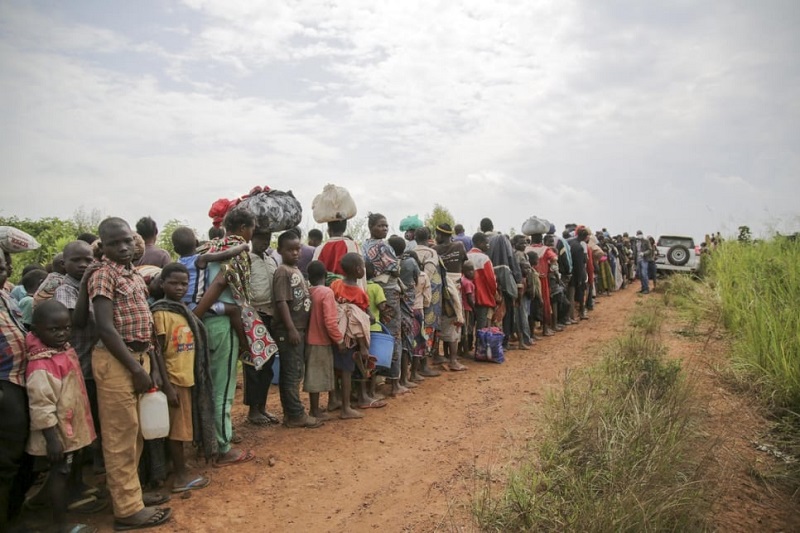
global forced displacement reaches unprecedented levels highlighting the urgent need for solutions
The United Nations High Commissioner for Refugees (UNHCR) estimates that there are now 110 million persons who have been forcibly relocated throughout the world. This figure reflects the greatest annual jump ever recorded, an alarming surge of around 19 million people over the previous year. Conflicts in Sudan and Ukraine have forced millions of people to escape their homes, and these conflicts are the main causes of the recent increase in displacement. This article explores the current situation of forced relocation on a global scale, the causes of this catastrophe, and the pressing need for all-encompassing solutions.
Unprecedented Increase in Forced Displacement
The recently released UNHCR report reveals that the number of forcibly displaced individuals reached 108.4 million by the end of last year, the highest figure on record. Since then, the number has further risen to 110 million, largely due to Sudan’s ongoing conflict, as highlighted by the UN High Commissioner for Refugees, Filippo Grandi. This staggering increase underscores the gravity of the situation and exposes the deeply troubling state of the world we live in.
Root Causes of Forced Displacement
With over 40 million refugees and internally displaced persons worldwide throughout the two decades before to the Syrian conflict in 2011, global forced displacement remained comparatively constant. But ever since, these figures have increased consistently year after year, more than doubling. This increased trend is attributed by the Forced Displacement study to a number of variables, including war, persecution, prejudice, violence, and climate change. The interaction of these factors exacerbates an already terrible situation and leads to widespread population displacement.
Keep Reading

Impact of Displacement
More than one in every 74 individuals globally are currently displaced, which is one of the report’s key findings. This startling figure exemplifies the widespread effects of forced migration, which not only affects people and families but also entire communities and societies. People who have been forced to relocate suffer a variety of difficulties, such as limited access to essential services, healthcare, education, and employment possibilities. Additionally, they frequently experience marginalisationand prejudice in their host nations, which worsens their vulnerability and prevents assimilation.
Diminishing Solutions and Growing International Tensions
Filippo Grandi of the UNHCR expresses worry over the difficulty in developing workable solutions to the issue of forced displacement. He bemoans the divisive and contentious international setting in which humanitarian issues are entangled, making it even more challenging to imagine all-encompassing solutions. The international cooperation required to successfully address the situation is hampered by tensions between nations. Grandi expresses concern about certain nations’ pushbacks and implementation of harsher refugee admittance policies without specifically identifying any of them.
Critical Need for Comprehensive Solutions
Comprehensive solutions are urgently needed to address the challenge of forced relocation around the world. These should focus on addressing the underlying causes of displacement as well as diplomatic efforts to settle disputes and advance peace-building programmes. It is imperative that nations reconfirm their dedication to the 1951 Refugee Convention and fully uphold its ideals. To promote a more equitable allocation of resources and assistance for displaced populations, international collaboration, burden-sharing, and responsibility-sharing systems should be strengthened.
Positive Developments and Call for Collective Action
Despite the immense obstacles, certain encouraging developments offer glimmer of optimism. A start in the right direction is the recent agreement among EU ministers to share responsibility for migrants and refugees. Filippo Grandi of the UNHCR applauded this choice, emphasised the value of collective action, and expressed joy that European countries could unite around this urgent issue. He also recognised Kenya’s efforts to find novel solutions for the 500,000 migrants it supports, especially those who have escaped the Horn of Africa’s poverty and drought.
The international community needs to pay immediate attention to and make concerted efforts in response to the world’s record-breaking numbers of forced displacement. To address the underlying causes of displacement, lessen the suffering of those who have been displaced, and encourage their inclusion and integration, immediate action is required. Countries may cooperate to discover lasting solutions and open the way for a more just and compassionate world by putting cooperation, communication, and adherence to international commitments first.