The Workers Rights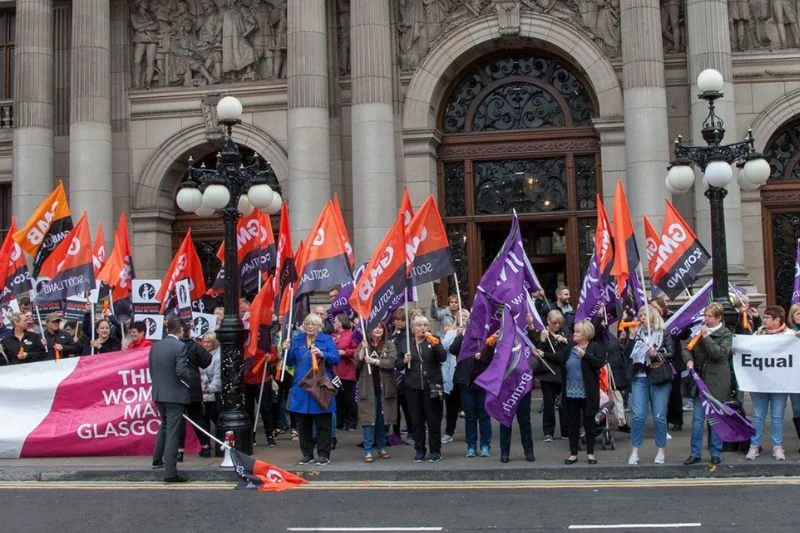
One of Scotland’s largest public sector pay disputes in years is embroiled in Glasgow council workers. The council is currently on hold after it was announced that a plan to sack and re-hire more than 23,000 employees was put on hold, but the prospect of pay cuts of up to £11,500 a year has not been lifted. This is a simple and straightforward explanation of what is involved, who is affected and what it means for Glasgow local government staff.
Quick Facts
| Key Detail | Information |
| Workers affected | 23,000+ Glasgow City Council staff |
| Maximum pay cut | Up to £11,500 per year |
| Pay reduction workers. | ~11% of affected staff |
| Workers who have increased in number or remain unchanged. | ~63% gain; 26% unaffected |
| The status of being on the fire and rehire list. | The talks, chaired by the government, were suspended. |
| Unions involved | GMB, Unison, Unite |
| Next steps | Talks to resume early next week |
| Background | Addressing a pay structure that was identified as discriminatory towards women |
Why Are Glasgow Council Workers Facing Pay Cuts?
The pay dispute with Glasgow council is part of a long-running campaign to rectify an unlawful pay system that benefited male employees over female employees. The pay scale of traditionally female roles, such as catering and cleaning, was lower than that of traditionally male roles, such as refuse collection. The council has already settled these claims for equal pay, paying out more than £770m to some 19,000 claimants.
To rectify this, Glasgow City Council undertook a comprehensive job evaluation programme, looking at each job based on 13 factors – such as physical effort, mental skills, concentration and coordination. All roles completed were graded and assigned to one of 12 pay bands.
The problem? Some positions came in lower than anticipated — and that equates to less pay.
Who Could Lose the Most?
It’s not a win/lose situation. In fact, the majority of Glasgow council staff would be better off or unaffected under the proposed new system. But approximately 11% of employees would lose part of their wages – in some instances up to £11,500 a year.
It places a significant financial burden on employees in those positions – many of whom have been working for the council for years and thought they were not going to be short of cash after all these years.
Comparison: Who Wins, Who Loses Under the New Pay Structure
| Worker Group | Outcome under New Pay System |
| 63% of affected staff | Pay increase – better off than previously |
| 26% of affected staff | A boost in salary – a raise in pay |
| 11% of affected staff | Salary reduction (some losing as much as £11,500/ year) |
| Senior leaders (including the chief executive) | Included in Dismissal Letters |
The Fire and Rehire Plan — And Why It Was Paused
A deal that was contentious was being proposed by the council after the talks between the council and the union collapsed: Dismissing all 23,000+ non-teaching staff, and then rehiring them instead on new contracts from 1 January.
This was called fire and rehire, and was controversial. Unions said it was a “scandalous threat.” The Scottish government has said it does not condone fire and rehire, and the Deputy First Minister has intervened to preside over emergency negotiations between the council and the three unions.
After those conversations, the council decided to suspend the plan. Any letters to be dismissed will not be sent. Negotiations will be resumed soon.
The pressure is on once more: UK-wide changes to employment legislation from 1 January 2026 would render the fire and rehire practice even riskier in the future, as it would become automatically unfair to dismiss an employee for renegotiation of new contract terms.
What Happens Next for Glasgow Council Staff?
The fire and rehire pause is a period for all parties to negotiate, but not a time to avoid the issue. The issue is who is going to bear the cost of correcting a discriminatory compensation system, and should workers bear the cost?
Unions have sought extra funding to safeguard the pay of those who are being cut, saying that it should not be borne by the pay of lower-paid council workers. One union got an additional £110 million to be added to the salary scale, but another union doubted the funds would benefit those who are being offered reduced pay.
Next week’s talks are expected to be pivotal to council workers’ pay cuts — and to Scotland’s approach to local authority pay disputes in future.
FAQs: Glasgow Council Workers Pay Cuts
Why are Glasgow council workers facing pay cuts?
The council is revisiting its pay system to remove a system which discriminated against female workers. Part of this is a job evaluation programme where all jobs were re-scored, and some staff were found to have been re-classified in lower pay grades, which meant salary reductions.
Who could lose up to £11,500?
About 11% of the council workers in Glasgow who are affected by the ban could have their pay cut, with the maximum each person could lose estimated at around £11,500 a year.
Has the fire and hire scheme been implemented?
It’s been suspended. No letters of dismissal were sent, and council-union negotiations continue.
Do most Glasgow council workers lose pay under the new system?
No, about 63% of the workers affected would be better off and 26% would be unaffected. As for pay cuts, only about 11% experience cuts in their pay.
How does UK employment law impact this?
From 1 January 2026, new rules will apply across the UK, which will prevent employers from dismissing an employee if they refuse to accept new terms in their contract, significantly making fire and rehire much more difficult.
What are the unions doing to protect workers?
The GMB, Unison and Unite unions are all in negotiations. Together they have demanded more money and a fair deal before any new contracts are agreed to.
Global Worker Rights Issues You Should Know
Who Pays Rising H-1B Extension Costs?
Check out what workers can do if employers refuse payment.
How Do Malaysian Workers Navigate Singapore?
Find the key housing, economic and retirement challenges.
Could UK Bosses Really Face Jail?
Uncover what the illegal hiring crackdown means for workers.
Why Are Ceuta Migrants Returning?
Browse the food, safety and migration pressures driving returns.
Can Europe Solve Its Labour Shortage?
See why migration controls clash with growing worker demand.