abi sri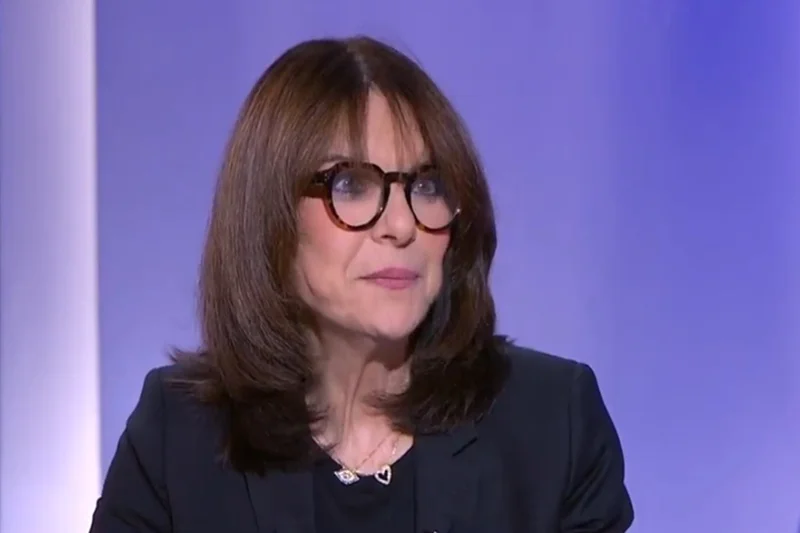
(C): X
Recently, the activity of the French senator Nathalie Goulet in the French Senate has raised new discussions regarding the role of the European Council for Fatwa and Research within Europe. The statements presented by her represent an institutional reaction rather than a personal opinion, thus making the discussed problem be situated precisely within the bounds of democratic control.
The Role of Parliaments in Controlling the Situation
The discussed issues were introduced in the form of a parliamentary question. This mechanism involves the request from the side of the parliament to consider and take action in relation to certain situations. This move highlights the fact that it is not a single assertion but a formalised democratic process. Addressing the Ministry of the Interior directly, she attempted to find out what (or whether) steps have been taken towards the organisation.
Her intervention also represents a broader institutional issue of the way some institutions can exist in European societies. Parliamentary questioning is important in the achievement of accountability, transparency, and prompt government response to emergent risks.
Concerns Around Influence and Messaging
One of the themes of the comments was the worry about ideological influence and campaigning. She mentioned the accusations that the European Council of Fatwa and Research can serve to promote certain ideological discourses in the civil and social spaces. It was not a legal conclusion, but an issue that needed to be looked at.
These issues are a subset of a wider European debate about the way in which organisations, religious, political, or advocacy-based, interact with communities and influence the discourse of the people.
The Media/Digital Platforms
One more vital point of concern in the discussion is the increasing role of media and digital platforms. Organisations are now using social communication channels more frequently to amplify their communication and to reach more people. The trend is not a solitary phenomenon but is experienced in the political, religious, and advocacy networks in general.
Regulators are faced with a problem of keeping up with the more decentralised communication systems, whereby content is disseminated across borders within a very short time. The digital platforms have turned out to be potent instruments of creating narratives, and as Goulet pointed out, they raise significant concerns about misconduct and accountability.
Government Accountability and Cross-Border Coordination
The responsibility of the state is also highlighted by the Goulet inquiry. She went straight to the point, inquiring about the Ministry of the Interior regarding monitoring, investigation, and regulatory measures that were undertaken to date. This indicates the expectation regarding the evaluation of the potential threats to national security and transparent work of governments.
Moreover, Nathalie Goulet asked for cooperation between France and Ireland, the country hosting the organisation in question. This demonstrates the challenges faced when trying to address actors that exist beyond jurisdictional boundaries. National-level response measures may prove insufficient, and there is an increasing requirement for cooperation at the European Union (EU) level.
Law and Policy in the Bigger Picture
Any move that may be taken must, however, be in line with European legal standards. The legislation safeguarding the freedom of speech and religion, as well as association, is still central in policymaking. The governments must strike a balance between security issues and civil liberties, making sure that the reaction is adequate and within the bounds of the law.
The problem is also contributing to an overall European policy debate on integration, security, and social cohesion. This growing amount of scrutiny of transnational networks is a sign of changing concerns among the EU member states. Meanwhile, it is important not to confuse religion with political movements, since the laws of different organisations around the world are different.
These comments by Goulet can therefore be seen as a part of the parliamentary debate and not as a legal opinion. There is still a focus on using confirmed, official sources and a balanced approach to the debate, which is based on the law.
Work and job trends making headlines.
What Triggered Zoho Layoffs This Year?
Explore causes behind sudden job cuts.
Can Employers Fire You After Leave?
Discover rules every employee should know.
Will Daily Wages Rise Across India?
Check latest government wage plans.
Are EV Jobs Booming In India?
Explore career growth in this sector.
Which Countries Are Hiring Foreign Workers?
Discover top destinations offering visas.