abi sri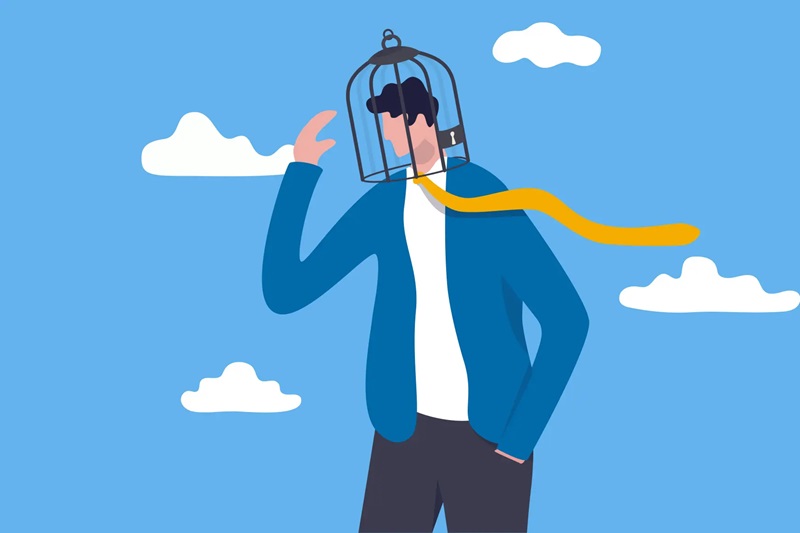
explaining 10 examples of unconscious bias everyone should be aware of
Unconscious bias – also recognised by the term ‘implicit bias’ – is the automatic and often unrecognised tendency to support or oppose certain people, ideas or groups. This could be because of stereotypes, past experiences or something else.
These mental shortcuts help us process information quicker. But are they good? Not at all. You might unintentionally influence decisions about recruitment, promotion, education, healthcare and interactions. Let’s take a look at some popular examples unconscious bias. For the News latest updates, you can check out our Human Rights Column
14 examples of unconscious bias in 2025
1. Gender bias
Gender bias is possibly one of the most common examples of unconscious bias (in 2025, too). This includes assumptions about a male person or a female person’s abilities or roles. Some might think in the beginning that men are stronger leaders.
2. Racial and ethnic bias
Stereotypes are not limited to gender only. They also impact racial and ethnic groups across the globe. Racial and ethnic bias can shape perceptions of intelligence or habits, influencing hiring decisions, promotions and daily interactions.
3. Similar backgrounds or same hobbies?
This is often called affinity bias. Basically, this is a natural preference for people sharing similar backgrounds, interests or experiences. In offices, this could mean recruiting someone from your alma mater or one enjoying the same hobbies.
4. Prejudices based on age
This is called age bias and, possibly, one of the most common examples of unconscious bias. Prejudging someone based on their age is about assuming older people are not flexible enough or that younger ones lack maturity.
5. Name bias
There is a name bias, too. Elaborately, names perceived as foreign or unconventional can lead to less job opportunities (albeit qualifications are identical). This reflects hidden assumptions about competence and cultural fit.
6. Halo effect
Sounds fancy? Congratulations, you fell for the halo effect! Basically, this popular example of unconscious bias is about letting one trait, such as confidence or a prestigious degree, rule over other characteristics, leading to an overly favourable assessment.
7. Confirmation bias
Confirmation bias might sound tricky but is quite easy to understand. It is the tendency to support information that confirms existing beliefs and ignore proof to the contrary. In decision making, this can significantly impact hiring, project assessments or policy changes.
8. Beauty bias
Just as the name suggests, beauty bias is about backing people fitting conventional beauty standards and assuming that they are more competent, often affecting job offers and social interactions. This is one of the most common examples of unconscious bias.
9. Horns effect
This is the opposite of Halo effect. Halo effect is about some characteristics shining brighter than others. But the horns effect is about a single unpleasing trait, such as poor body language or missed deadlines, taking control of the entire assessment.
10. Height bias
It has been found that taller people, especially men, are often considered as more capable leaders. This could lead to bigger changes in promotions and perceptions of confidence. This is a classic example of unconscious bias.
11. Socioeconomic bias
This exists in 2025, too. Socioeconomic bias is about judging different people on the basis of their clothing, accent or neighborhood. Some might connect these things to a person’s ability and financial status, leading to big impact on school admissions and hiring.
12. Cultural bias
Just as the name suggests, cultural bias is about supporting the customs, communication styles or habits of one culture a bit more. This is one of the best examples of unconscious bias still existing in 2025.
13. Body size matters?
Let’s talk about assumptions some people might have about others on the basis of their body size. They might assume that those on the obese side are not disciplined enough or that they are not passionate. This could lead to major cases of discrimination.
14. Conformity bias
Sounds tricky? It isn’t, actually. Conformity bias is about a person changing opinions or decisions to match the majority side. It doesn’t matter if this change is impacting personal judgments. This groupthink can hinder ethical decision-making.
14 best examples of unconscious bias in 2025: Frequently asked questions
1. Do unconscious biases exist in 2025?
They do, unfortunately. Unconscious biases are part of being human. But they unintentionally reinforce inequality and limit opportunities for some people. This is concerning and needs to be taken care of as soon as possible.
2. What is the first step to countering unconscious biases?
The first step is recognising these patterns. Next, put in some effort to understand strategies like structured decision processes, regular self-reflection and diversity training. Turn these into habits to help the organisation become more equitable and inclusive. For practical strategies that go beyond bias awareness, check out our guide: 10 Ways to Make Sure Every Employee Feels Safe, Regardless of the Type of Work You Do.