Divyanshu G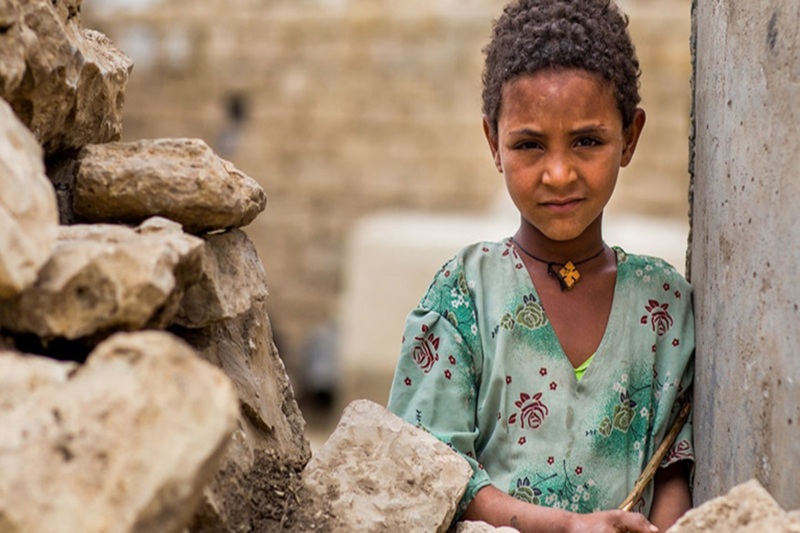
(C): Unsplash
The world community leads to the year 2026, and the focus of attention is placed on the government of Asmara. The United Nations has issued a critical call for information regarding the ongoing human rights crisis in the region. Dr. The required expert Mohamed Abdelsalam Babiker is in the process of collecting evidence to record systemic violations such as arbitrary arrest, indefinite service to the nation. This surveillance is essential in giving voice to the voiceless and keeping the international check on its feet. The international body will seek to develop a roadmap of the required reforms in the law and accountability by gathering first-hand information and confirmed data.
Addressing the human rights crisis
The present situation is still ridden with struggles as a citizen is unable to enjoy limited freedom and freedom of expression with suppressed opposition. Observers note that the human rights crisis has led to significant displacement, with thousands seeking refuge in neighboring territories. The absence of a local legal system to question the activities of the states has given rise to a gap of responsibility. It is the request of the international bodies to provide testimonies of transnational repression and internal abuses in order to get the next 62 nd session of the Human Rights Council a clear and clear picture of the realities on the ground.
Essential Special Rapporteur updates
The 16th of next month serves as the final cutoff for submitting Special Rapporteur updates. These inputs play a key role in the development of the June report that will report on the progress made in terms of the pre-determined reform standards. Stakeholders, including civil society and academics, must prioritize these Special Rapporteur updates to highlight emerging trends in religious persecution and labor exploitation. This technical report gives the requisite bargaining ground on any diplomatic pressure to move the country towards the governance system that takes cognizance of universal dignities and international legal provisions.