 kritika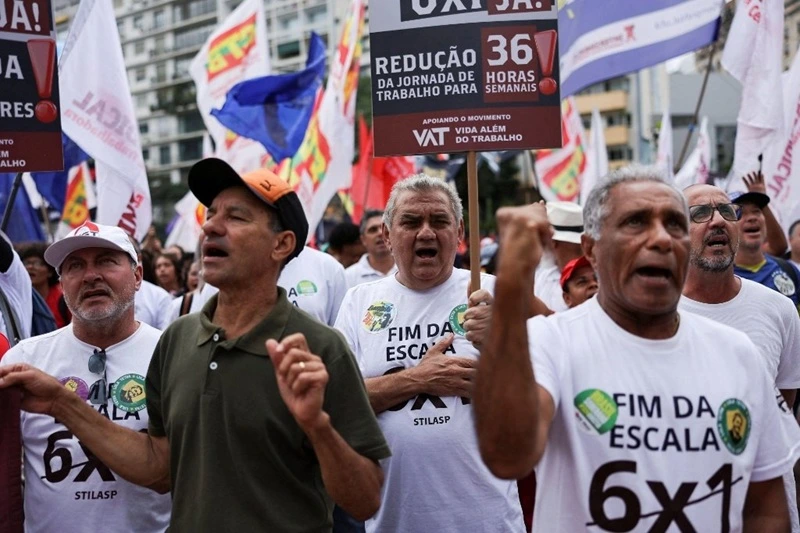
(C): X
The six-by-one work week has been adopted officially in Brazil where 16 million workers have an extra day off every week without being paid less.The Brazil six-day workweek ban was approved by the Senate almost unanimously (75-1), ending an historic labour law that had people working six days a week and taking one day off. It is one of the biggest changes in Brazil’s labour law and a milestone for the rights of Brazil’s labour force in 2026 — and millions of workers from the retail, service, and private sectors are directly set to benefit.
Quick Facts
| Detail | Info |
| Reform | Brazil 6×1 work schedule ban |
| Senate Vote | 75-1 in favour |
| Workers Affected | ~16 million |
| New Schedule | 5×2 – 5 days on, 2 days off |
| Pay Impact | No wage cuts – wages will be maintained. |
| Weekly Hours Change | 44 hours → 40 hours |
What Was the 6×1 Work Schedule?
The Brazil six-day work schedule is the norm in retail, hospitality, shift-based jobs and others, and employees were given one day off after six consecutive days of work. It was criticised as having a negative effect on work-life balance and unfairly affecting lower-paid employees. The strike had been gathering momentum for months, as trade unions had been concerned about the need to reduce working hours in Brazil for a long time.
Which Workers Benefit Most?
The six-day rotation work schedule reform only affects the workers who are already working under the six-day rotation system. That includes:
- Retail workers (shop assistants, cashiers and store staff who work regularly six-day weeks)
- Workers in the service industry – hospitality, cleaning, food service, on shift rosters
- Employees in the private sector with a 6×1 pattern of work, such as nursing homes and childcare settings.Private sector employees with a 6×1 pattern of work, including nurses, child care workers and teachers.
- Logistics, security and healthcare support (shift workers)
The new 5×2 work schedule will allow these workers to swap days for rest days, after which they will work five days, followed by two rest days in succession — the same as is offered to workers in offices and the formal sector. More importantly, Brazil workers’ pay protection is embedded in the law: No employer is allowed to lower the wages due to the shorter schedule.
What Changes for Employers?
Costs and productivity issues have triggered resistance by business groups to Brazil’s work schedule law. This is just one of the several other changes to Brazil’s employment laws, as the cut in Brazil’s weekly working hours from 44 to 40 will impact employers’ rostering arrangements and employee benefits. There will be some flexibility in scheduling, but the two rest days will be mandatory. The overhaul also leads to an assessment of Brazil’s overtime regulations in industries with sixth-day working shifts.
Why This Reform Matters Beyond Politics
The effects on Brazilian employees’ rights are tangible, apart from politics. An additional day off is a worthwhile benefit for employees who are already short on time thanks to their lengthy commute as well as their debt obligations at home. Brazilian working time laws are now closer to the European model, in which most industries have two-day weekends.
FAQs on Brazil 6×1 Work Schedule
Are workers all covered by the Brazil 6×1 ban?
It’s directed at those who are already rotating jobs, most of them in retail, service and shift jobs in the private sector. Those who are already working a 5×2 schedule will not be affected.
How will the new schedule affect the pay of Brazilian workers?
No. Brazilian workers without pay cuts is a key feature of the law – pay is fully preserved.
What will be the date for the Brazil workweek reduction?
The Bill has been approved by the Senate and is awaiting final approval. The implementation deadline for employers is anticipated to be announced soon after.
Explore Brazil’s Biggest Political and Social Shifts
1. How Is Brazil Changing Global Migration?
Discover how Brazil’s migration shift reflects challenges facing countries around the world.
2. Could Brazil Help Broker Ukraine Peace?
Find out how China, India and Brazil could mediate Russia-Ukraine peace talks.
3. Could Other Countries Follow Brazil’s X Ban?
Look into Brazil’s ban on X and whether other nations might take similar action.
4. Why Is Brazil’s X Controversy Escalating?
Uncover how censorship and misinformation have intensified the dispute between Brazil and X.
5. Are Brazil’s Disability Reforms Leaving People Behind?
Explore concerns that Brazil’s new disability plan overlooks people living in institutions.