khushboo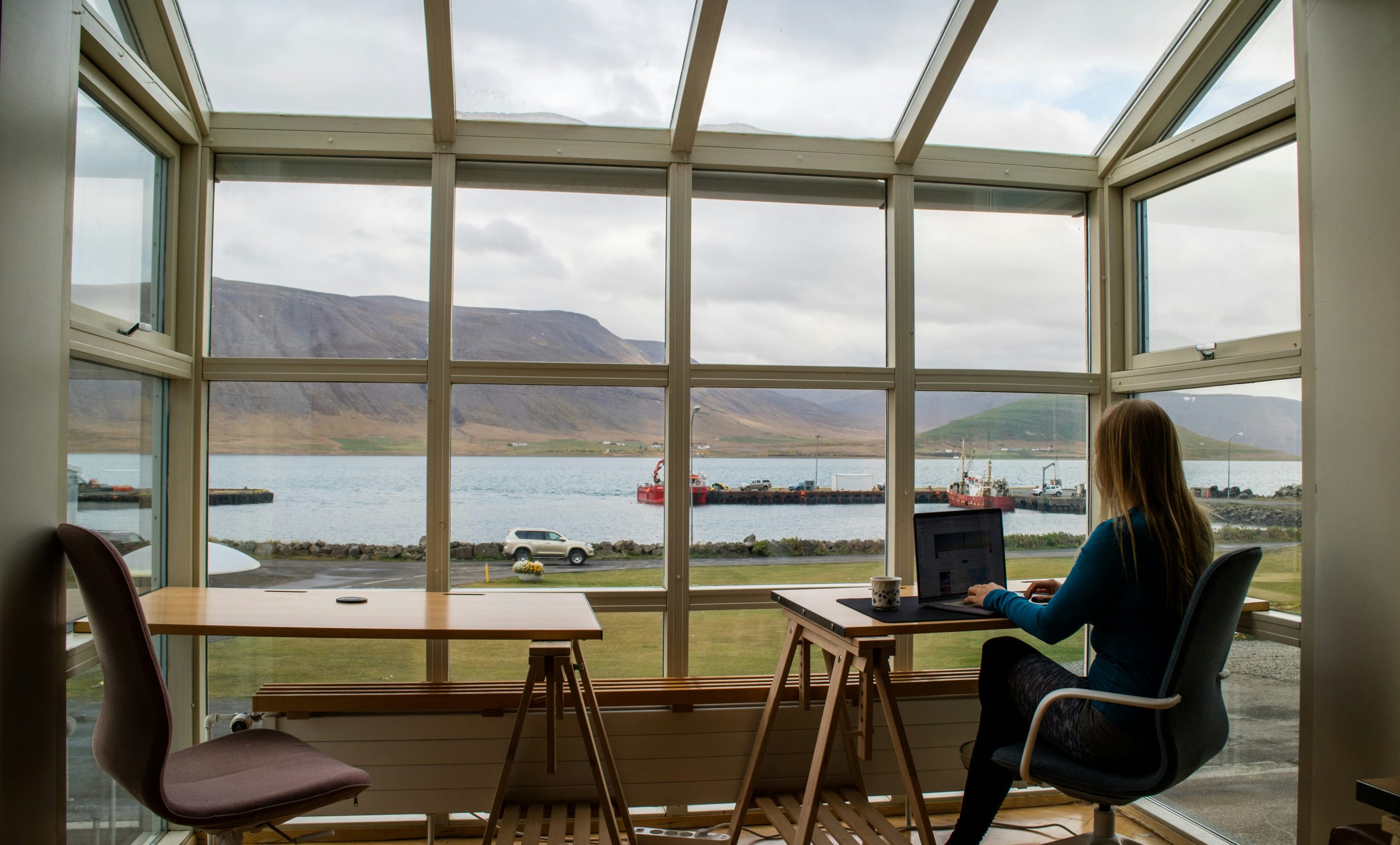
(C): Unsplash
Bleisure 2.0 is redefining how people blend business and leisure, and it looks very different from laptop days in big-city co‑working spaces. As remote work becomes normal, many professionals are swapping crowded urban hubs for small towns, rural escapes, and agritourism stays. In place of skyscrapers and business cafes, they desire mountain scenery, farm-to-table food, fewer people on the streets, and natural time between Zoom meetings. This new style of bleisure travel promises lower stress, deeper local experiences, and a healthier work–life balance—while still staying connected enough to meet deadlines and join virtual meetings from almost anywhere. For more updates, visit our Work-Life Balance page.
What Makes Bleisure 2.0 Different
The more classic forms of bleisure traveled are those that are based on adding a weekend to a business trip in the city – imagine central hotels, co-working offices, and fast sightseeing. Bleisure 2.0 flips the script. Remote workers now choose a destination first, then bring their work along, often staying for weeks instead of days.
Small towns and rural escapes stand out because they offer slower rhythms, lower costs, and fewer distractions. Considerable Wi-Fi, a comfortable desk, and a calm atmosphere can be sometimes more significant than the sightseeing spots. There has been an upgrading of the digital infrastructure within cafes, guesthouses and boutique stays across non-urban settings, to support this new generation of remote guests.
Why Remote Workers Prefer Small Towns and Agritourism
Remote workers increasingly seek meaning, not just a change of scenery. Agritourism and village stays let them connect with local life—helping on farms, learning about regional produce, or joining community events—before or after the workday. This is not comparable with the city co-working cultures that are anonymous and which appear anonymous.
Small towns and rural escapes are also more likely to be affordable, and it is possible to spend more time there. Mental health and creativity are supported by clean air, access to hiking trails, beaches or countryside views. Many remote workers report feeling more focused and less burned out when they replace traffic noise with birdsong and sunset walks.
Read more: All You Need to Know About The Future of Remote Work
How Destinations Are Adapting to Bleisure 2.0
Recognizing the growth of bleisure 2.0, destinations are marketing themselves as “work‑from‑anywhere” hubs beyond big cities. Farmhouses, homestays, eco-lodges, heritage homes have now provided good Wi-Fi, work areas, and flexible rates on a monthly basis.
Tourism boards in the country encourage hiking routes, food events, and cultural classes that can be managed within the framework of remote employment. The question is how to maintain the sustainability of the growth; how to preserve the landscape, how to respect the local population and prevent over-tourism. If managed well, bleisure 2.0 can bring steady income to small towns and rural areas while giving remote workers the balance and authenticity they crave.