abi sri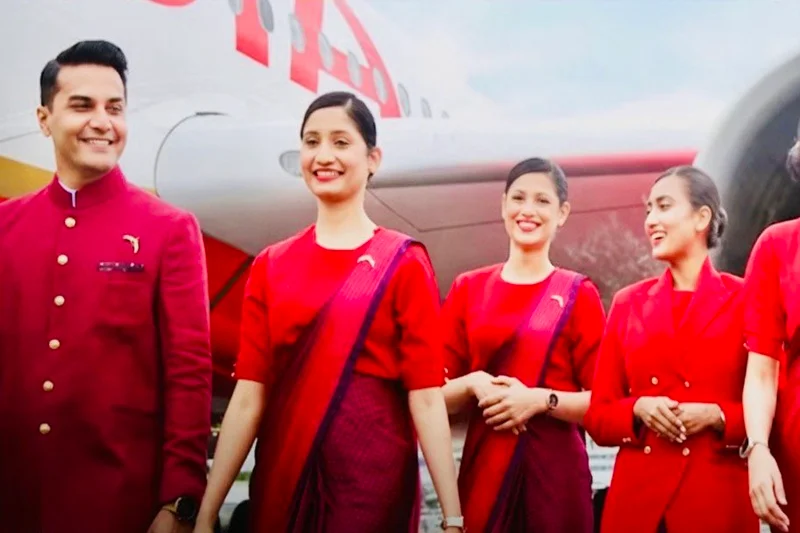
(C): X
The Air India debate in the Bindi-Sindoor Row has rekindled one big debate in the Indian corporate world: Can firms regulate cultural and religious expression within the workplace?
The recent Air India scandal and the previous Lenskart backlash have brought the debate surrounding workplace dress code in India, rights of employees and inclusivity back into focus.
What Led To the Controversy?
The Air India in Bindi-Sindoor Row was initiated when some sections of a cabin crew manual were leaked online. The document was also supposed to limit sindoor and the use of bindis based on the type of uniform.
This prompted a backlash, particularly given that the same issues had just come to the fore in the Lenskart controversy, where a leaked grooming manual appeared to ban bindi, tilak and religious threads but not other symbols.
The two companies have since explained that these were old policies. Air India confirmed that employees are not prohibited from wearing bindis, and Lenskart revised its rules to promote cultural expression and inclusivity in the workplace in India.
Dress Code in the Workplace India: What does the Law say?
The standards of grooming are set by the Indian company dress codes laws. According to these laws, it is within the powers of the employer to state the grooming standards; however, these must not violate constitutional guarantees.
Article 15 of the Indian Constitution excludes the possibility of discrimination in terms of religion, caste, sex, or place of birth. This is a major contributor to religious freedom in the workplace in India.
This means:
- Firms are able to develop an employee grooming policy in India.
- However, they are not allowed to enact workplace discrimination in Indian law.
- In the Indian Constitution, religious freedom in the workplace must be respected in policies.
Can Companies Ban Religious Symbols in India?
The response is subtle. This complexity is reflected in the Air India in the Bindi-Sindoor Row.
Companies may:
- Impose consistency of branding or safety.
- Establish standards of labour laws and the Indian dress code.
But they cannot:
- Censorship of some religious symbols and not others.
- Violate the employees’ rights at work in India.
- Disregard the HR guidelines on religious freedom in India.
As an example, when hijabs or turbans are permitted, outlawing bindis or sindoor might be considered a form of dress code discrimination in India.
Work and job trends making headlines.
What Triggered Zoho Layoffs This Year?
Explore causes behind sudden job cuts.
Can Employers Fire You After Leave?
Discover rules every employee should know.
Will Daily Wages Rise Across India?
Check latest government wage plans.
Are EV Jobs Booming In India?
Explore career growth in this sector.
Which Countries Are Hiring Foreign Workers?
Discover top destinations offering visas.
Employee Rights Company Policy
The dilemma is usually between the rights of employees and the company policy. Employers strive to have a stable brand image, particularly in customer-facing jobs.
Nevertheless, current HR practices are moving towards inclusion and diversity policies at the workplace in India. Air India in the Bindi-Sindoor Row demonstrates that old-fashioned policies may hurt brand image.
Companies should nowadays:
- Cultivate equality in the workplace in India.
- Respect the sindoor bindi legal rights in India.
- Make sure that there is HR compliance with the Indian labour law.
The Importance of this Debate
The corporate dressing code scandal in India is indicative of a bigger societal change. Workplaces are becoming more expected to accommodate the identity and traditions of employees.
There is a clear trend in the resolution of the Air India in the Bindi-Sindoor Row and Lenskart issue:
Inclusion is not a luxury anymore; it is a must in the contemporary work environment.
One thing has become quite clear in the Air India in Bindi-Sindoor Row: the appearance standards may be defined by the company, however, the cultural identity may not be ignored. In India, employee dress code legal boundaries are directly related to constitutional rights, and inclusiveness is the only way to go.
FAQs
1. Is there any ban on bindi or sindoor in India by companies?
No, not arbitrarily. Any ban like this can infringe on the religious symbols at the workplace. India safeguards in case it is discriminatory.
2. What is the Indian law regarding workplace dress code?
India Company dress code laws permit, but should not interfere with the core rights, and should not encourage discrimination.
3. Do we permit religious symbols in the workplace in India?
Yes. In the case of religious freedom in the workplace in India, it is open to allowing employees to wear the symbols provided there is no substantial, non-discriminatory reason to prohibit it.
4. What is the Air India scandal?
There was an outcry after an old handbook was released on Air India in the Bindi-Sindoor Row, but the airline explained that bindis could be worn by the employees.
5. What are companies doing now?
To make sure that there are no more controversial situations in the future, the firms are revising HR policies regarding religious expression in India.