khushboo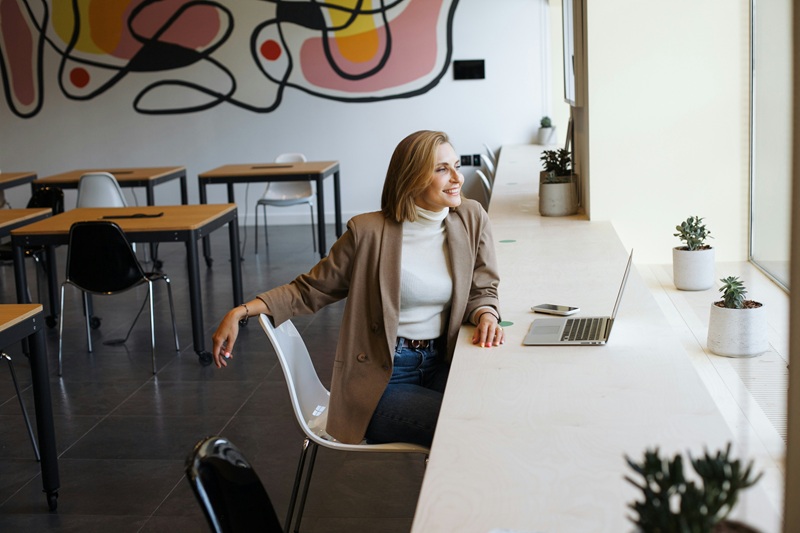
(C): Unsplash
Late nights, glowing laptop screens, half-cold tea on the desk, it’s a familiar sight in offices and home work corners. Many women are now questioning if this constant rush is worth the toll it takes on sleep, health, and family time. Work–life balance isn’t a luxury anymore. It’s survival. And it’s finally getting attention.
Recent reports show more global firms adopting shorter workweeks and flexible hours for female employees. Countries known for supportive systems are topping charts again. As listed in countries with the best work-life balance and companies with best work-life balance in India, the change is visible. Fewer people are judged for logging off early. The focus is quietly shifting from hours to output.
Work–Life Balance by the Numbers
| Country | Average Weekly Hours | Paid Leave (Days) | Key Support for Women |
| Netherlands | 30 | 20 | Flexible part-time roles |
| Denmark | 33 | 25 | Equal parental leave |
| Finland | 34 | 25 | Hybrid work law |
| India | 47 | 12 | Extended maternity leave |
| France | 35 | 25 | Email limits after hours |
| Japan | 42 | 10 | Remote work subsidies |
| UAE | 40 | 30 | Four-day week trials |
| Canada | 37 | 20 | Care leave options |
| Australia | 36 | 20 | Family support rules |
| Sweden | 34 | 25 | Childcare incentives |
Work–Life Balance Tips for Women Professionals
Balance doesn’t always look neat. Sometimes it’s skipping one meeting to eat with family. Sometimes it’s closing the laptop before dinner. The point is, small actions add up.
- Set clear boundaries: Turning off work chats after hours makes a big difference. One simple rule can save mental space.
- Schedule rest like meetings: Block time to recharge. If it’s not on the calendar, it disappears.
- Use tools smartly: Reminders, planners, simple apps, they cut the noise. Technology should help, not drain energy.
- Ask for flexibility early: Many firms are open if the request comes with a plan. It’s about showing trust, not asking for favours.
- Protect mornings: A slow start can shape the whole day. Coffee in peace. A short walk. It steadies the mind.
- Build support circles: Colleagues who understand make work lighter. Talking to those who get it helps more than advice sometimes.
- Keep hobbies alive: Cooking, music, reading, these aren’t distractions. They refill what work drains out.
- Learn to delegate: Trying to handle everything leads nowhere. Sharing tasks means sharing peace.
- Create a small workspace: A corner that’s only for work helps switch off later. Even a chair and lamp can draw that line.
- Take short breaks: Move every hour. Look outside. It sounds simple, but it resets the brain.
Why the Small Stuff Works
When women pace their week instead of racing through it, energy lasts longer. The proof is visible. Companies report fewer burnouts, higher focus, and better teamwork. A software engineer in Pune said she finishes tasks faster since she stopped checking late-night mails. “I sleep on time now. I think better next morning,” she said. Feels obvious, but it took her years to realise.
Work–life balance doesn’t mean less work. It means fair work. Deadlines still exist, but they stop owning every hour. Some HR managers say output actually improves when people rest properly. Maybe that’s the real efficiency everyone talks about but rarely practises.
The Culture Shift
Indian workplaces are catching up, slowly but surely. Hybrid policies, mental health days, and equal parental leave are becoming part of HR vocabulary. But culture still decides how real those policies feel. A manager who smiles when someone logs off on time, that’s culture. A boss who expects replies at 11 p.m., that’s still a problem.
Some private firms have started quiet Fridays. Others limit after-hours calls. These steps may look small on paper, but they create space. A Bengaluru marketing lead said her team now finishes by 5 p.m. “We actually talk at lunch now. No one eats in front of a screen anymore,” she laughed.
Rest Is Not a Reward
Rest should not come after exhaustion. It should exist inside the routine. Women who learn to pause, sleep, and reset regularly bring sharper ideas and calmer reactions. The tired version of success never lasts long anyway.
Work–life balance isn’t a fancy topic. It’s the difference between being busy and being well. And right now, that difference matters.
FAQs
1. What does work–life balance mean for women?
It’s managing office duties without losing health, time, or peace at home.
2. Do flexible hours improve results?
Yes. Women report higher focus when given choice in working style.
3. Which countries support balance best?
Denmark, Sweden, and Finland lead with strong welfare and leave policies.
4. Why are companies changing policies now?
To retain talent and reduce burnout. It also improves productivity.
5. What helps women maintain daily balance?
Clear limits, proper rest, and supportive workplaces make all the difference.