khushboo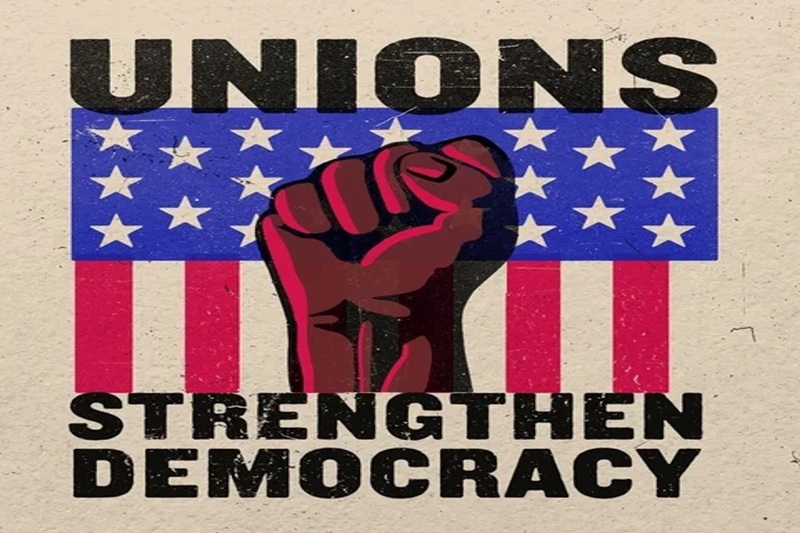
(C): Twitter
By 2026, unions will still be needed because of increasing inequality, the gig economy, and job insecurity caused by AI, the union membership will be at 9.9% (14.3 million workers) despite the declines in the past. The current wave of organizing is sweeping through healthcare, technology, and service industries and has 68 percent public support, the first time that has occurred since 1965, and successes such as the 31,000-worker Kaiser Permanente strike. Unions are becoming more popular among young employees, nurses, and professionals as a source of a fair salary, employment, and representation against the usurpation of corporations. This paper discusses why unions survive and how the recent trends are an indication of their reemergence.
Healthcare Union Surge
Healthcare is in the first place with 17.5% of nurses and 12% of practitioners being union members due to post-pandemic burnout and staffing shortages. Recent victories in Northwell Health nurses becoming members of NYSNA and National Nurses United negotiating wage increases in HCA Healthcare show that unions are important to defend the frontline workers with long hours and insufficient pay.
Private Sector Momentum
In 2023, the private sector acquires 261,000 members, bringing them to 6.9 percent, and the organizing activities in warehouses, retail stores (Starbucks) and technology oppose the obstacles of gig work. This change is necessitated by gen Z and millennials who face an AI layoff and unstable contracts, closing gender differences (men 10.6, women 9.1) and increasing Hispanic/Latino positions to 10 percent.
Benefits Driving Relevance
Unions provide better results: 57.9% are covered by pensions (19% not), have better healthcare, just-cause protection, and PTO. The school-grown professionals with college education reached 15.5 percent unionization changing the old habits where teachers, doctors, social workers are organizing themselves against bureaucracy.
Challenges and Path Forward
The existence of right-to-work laws, employer opposition, and globalization remains, although reforms of the policy such as the PRO Act and the enforcement of the NLRB may turn the situation around. Unions evolve through digital solutions, various recruitment, and targeting gig employees to grow in the long term.