khushboo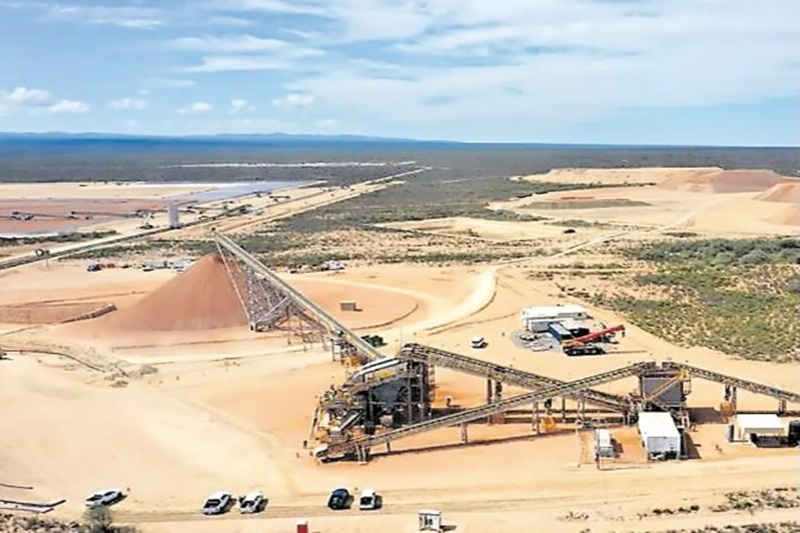
(C): Instagram
The case of the United States-Mexico-Canada Agreement 2026 decision has provided the world with insight into the enforcement of labor rights. An independent panel established the gravity of the denial of workers rights at the Camino Rojo Mine, which brought the negative effects of trade agreements on workers, employers, and global supply networks. Through this guide, you can understand the meaning of the ruling and its impact on you. Also Known as What to Do If You Are Fired Without Notice in 2026: Immediate Legal Steps.
What Happened in the Camino Rojo Case?
A panel under the USMCA Rapid Response Labor Mechanism (RRM) found that workers were denied their rights to:
- Freedom of association
- Collective bargaining
The mine operator played with the work of the unions, where he would mobilize the workers through intimidation, coercion, and even threats of violence to favor a certain union.
The panel found that these measures amounted to a climate of fear and did not comply with labor standards that should be under USMCA.
What Is the USMCA Rapid Response Labor Mechanism?
The RRM is an accelerated enforcement model enabling the U.S or Canada to petition against labor malpractice at particular work areas in Mexico.
Key features:
- Facility-specific investigations
- Quick dispute resolution (within months)
- Ability to impose trade penalties
This case is only the second successful panel ruling under the RRM, showing its growing power.
Why This Ruling Matters
1. Stronger Worker Protection
Employees now enjoy more support in fighting unfair labor practices, suppression of unions, and intimidation in the workplace.
2. Impact on Companies
Companies should also be capable of adhering to the requirements of the labor laws, union neutrality, and rights of the workers, or they face penalties, payouts and trade barriers.
3. Supply Chain Implications
The decision has implications for other industries, such as mining and manufacturing, where fair labor practices are imposed on the global supply chains, particularly in critical minerals.
What It Means for You
- Workers: Greater protection and ability to challenge unfair treatment
- Employers: Need for strict compliance with labor laws and union rights
- Global Businesses: Increased scrutiny of labor practices in international operations
The panel also recommended remedies such as worker reinstatement, compensation, and policy reforms.
Read Also: Fair Pay, Fair Life: Why Minimum Wage Matters More Than Ever
FAQs
Q1. What is a USMCA panel ruling?
It is a legal decision under the USMCA trade agreement resolving disputes, including labor rights violations.
Q2. What is “denial of rights”?
It refers to blocking workers’ ability to organize, join unions, or bargain collectively.
Q3. Can companies be penalized?
Yes, penalties can include trade restrictions, fines, and mandatory corrective actions.
Q4. Why is this case important globally?
It sets a precedent for enforcing labor standards in international trade agreements.